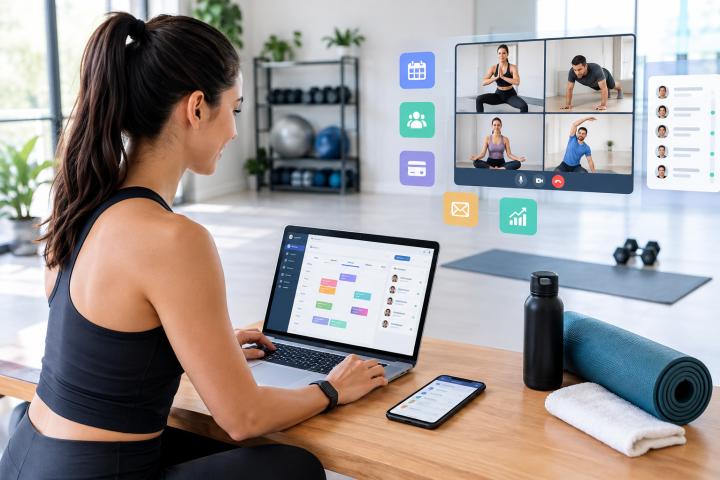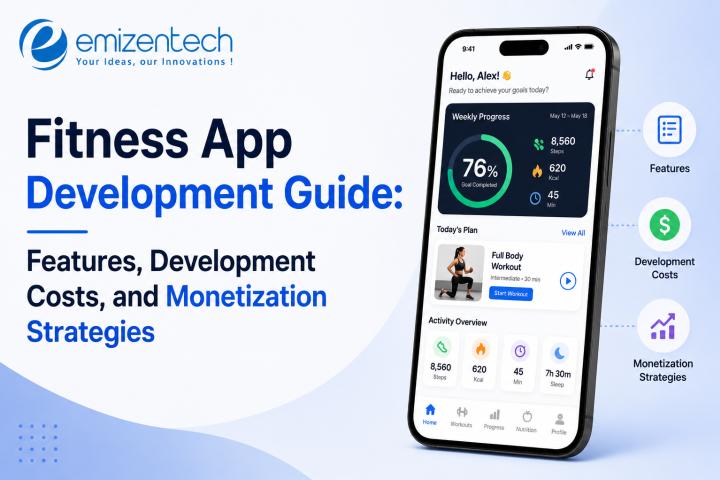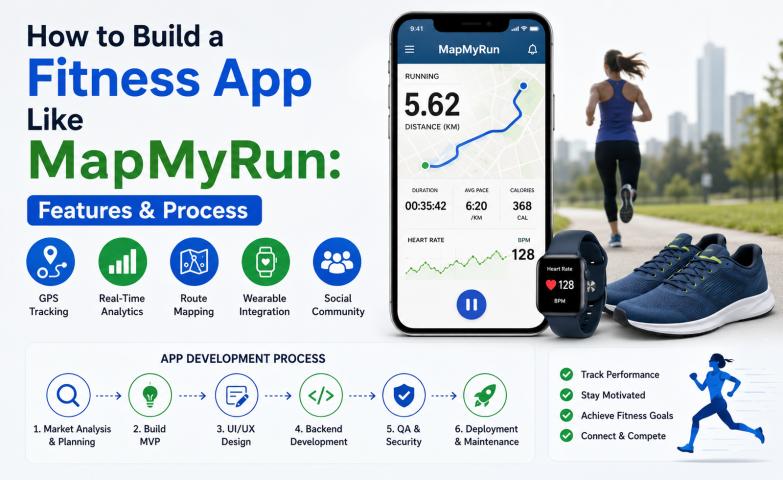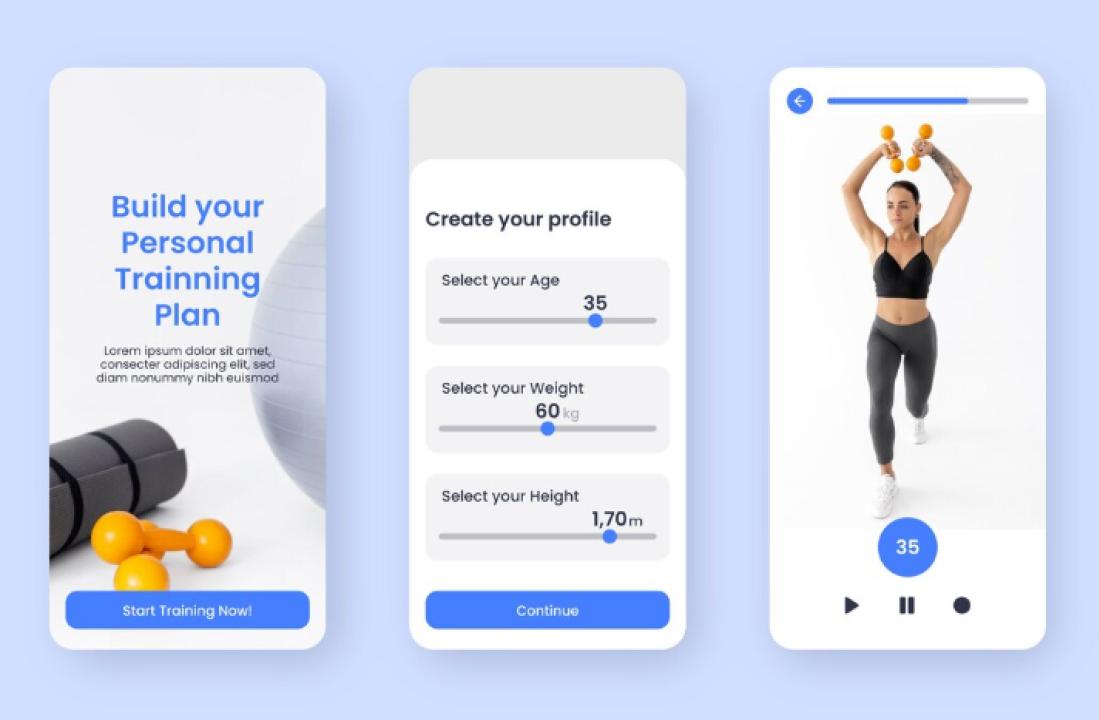
The fitness industry is rapidly evolving as more clients prefer digital and personalized fitness experiences. In 2026, personal trainers are increasingly adopting custom fitness apps to improve client engagement, streamline operations, and grow their businesses more efficiently.
Custom fitness applications help trainers manage workouts, track client progress, schedule sessions, provide nutrition guidance, and communicate with clients through a single platform. These apps not only improve convenience but also help personal trainers deliver a more professional and personalized fitness experience.
In this article, we explore how personal trainers benefit from custom fitness apps and why investing in fitness app development has become essential in the modern fitness industry.
Growing Demand for Digital Fitness Solutions
The demand for digital fitness platforms has increased significantly in recent years. Clients now expect flexible fitness solutions that allow them to:
- Access workout plans remotely
- Track fitness progress in real time
- Schedule training sessions online
- Receive personalized coaching
- Monitor nutrition and wellness goals
Custom fitness apps help personal trainers meet these expectations while expanding their reach beyond physical gym locations.
Better Client Engagement
One of the biggest advantages of custom fitness apps is improved client engagement.
Fitness apps allow trainers to interact with clients through:
- In-app messaging
- Workout reminders
- Push notifications
- Progress tracking
- Personalized fitness plans
Regular interaction helps trainers keep clients motivated and committed to their fitness goals.
Engaged clients are more likely to continue training programs and maintain long-term memberships.
Personalized Workout Plans
Custom fitness applications allow personal trainers to create tailored workout programs based on individual client needs.
Trainers can customize:
- Exercise routines
- Fitness levels
- Training goals
- Weight management plans
- Recovery programs
Personalized fitness experiences improve client satisfaction and workout effectiveness.
AI-powered fitness apps can also recommend adaptive workout plans based on user performance and progress.
Real-Time Progress Tracking
Fitness apps make it easier for trainers and clients to monitor progress in real time.
Apps can track:
- Weight changes
- Calories burned
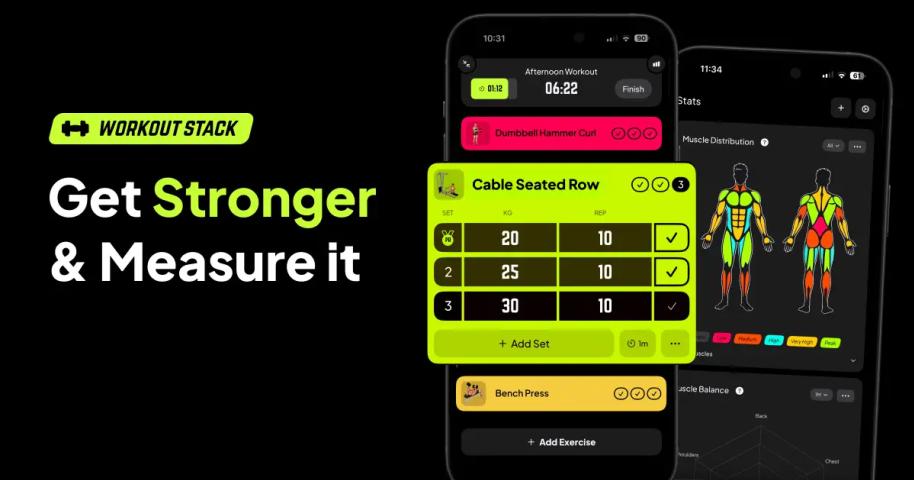
- Workout completion
- Heart rate data
- Step count
- Body measurements
Wearable device integration further improves fitness tracking accuracy.
Real-time monitoring helps trainers make data-driven adjustments to workout plans and improve client results.
Improved Scheduling and Session Management
Managing appointments manually can become time-consuming for personal trainers.
Custom fitness app development services simplify scheduling through:
- Online booking systems
- Automated reminders
- Calendar integration
- Session management tools
- Payment integration
Automation reduces administrative work while improving operational efficiency.
Remote Training Opportunities
Custom fitness apps enable trainers to offer virtual and remote coaching services.
Through fitness apps, trainers can provide:
- Live workout sessions
- Video training programs
- Remote progress monitoring
- Virtual consultations
This allows trainers to work with clients from different cities or countries while expanding their business reach.
Remote fitness training has become increasingly popular in the post-pandemic digital fitness market.
Nutrition and Wellness Tracking
Many custom fitness apps include nutrition and wellness management features.
Personal trainers can provide:
- Meal plans
- Calorie tracking
- Water intake monitoring
- Wellness recommendations
- Supplement guidance
Combining fitness and nutrition support helps clients achieve better health and fitness outcomes.
Increased Revenue Opportunities
Custom fitness applications create multiple revenue streams for personal trainers.
Monetization options may include:
- Subscription plans
- Paid workout programs
- Online coaching packages
- Premium fitness content
- In-app purchases
Fitness apps allow trainers to scale their services beyond one-on-one physical training sessions.
Enhanced Client Retention
Client retention is critical for long-term fitness business growth.
Fitness apps improve retention through:
- Personalized experiences
- Continuous communication
- Progress tracking
- Goal-based achievements
- Gamification features
Features like badges, fitness challenges, and achievement tracking keep users motivated and engaged.
Brand Building and Professional Image
A custom fitness app helps personal trainers build a stronger personal brand.
A branded app creates:
- Professional credibility
- Better client trust
- Stronger market presence
- Improved customer experience
Personal trainers can showcase their expertise through customized digital fitness platforms.
Integration with Wearable Devices
Modern fitness apps often integrate with wearable devices such as:
- Smartwatches
- Fitness trackers
- Heart rate monitors
- Smart scales
Wearable integration provides accurate health and fitness data that improves training effectiveness.
Trainers can use this data to deliver more personalized coaching and recommendations.
AI and Smart Fitness Features
Artificial Intelligence is transforming fitness app development in 2026.
AI-powered fitness app ideas can support:
- Smart workout recommendations
- Personalized coaching
- Fitness analytics
- Injury prevention insights
- Virtual fitness assistants
AI features improve user experiences while helping trainers automate repetitive tasks.
Data Analytics and Performance Insights
Custom fitness apps provide valuable business and performance insights.
Trainers can analyze:
- Client activity levels
- Program effectiveness
- User engagement
- Revenue performance
- Retention rates
Analytics help trainers optimize services and improve business strategies.
Competitive Advantage in the Fitness Industry
The fitness market is becoming highly competitive.
Personal trainers using custom fitness apps can stand out by offering:
- Digital convenience
- Personalized coaching
- Remote accessibility
- Smart fitness tracking
- Better user experiences
Technology-driven fitness services attract modern clients looking for flexible and innovative fitness solutions.
Features Commonly Included in Custom Fitness Apps
Popular fitness app features include:
- User registration and profiles
- Workout libraries
- Video tutorials
- Live streaming sessions
- Progress tracking dashboards
- Nutrition management
- Push notifications
- Payment gateways
- AI fitness recommendations
- Wearable device integration
These features improve user engagement and operational efficiency.
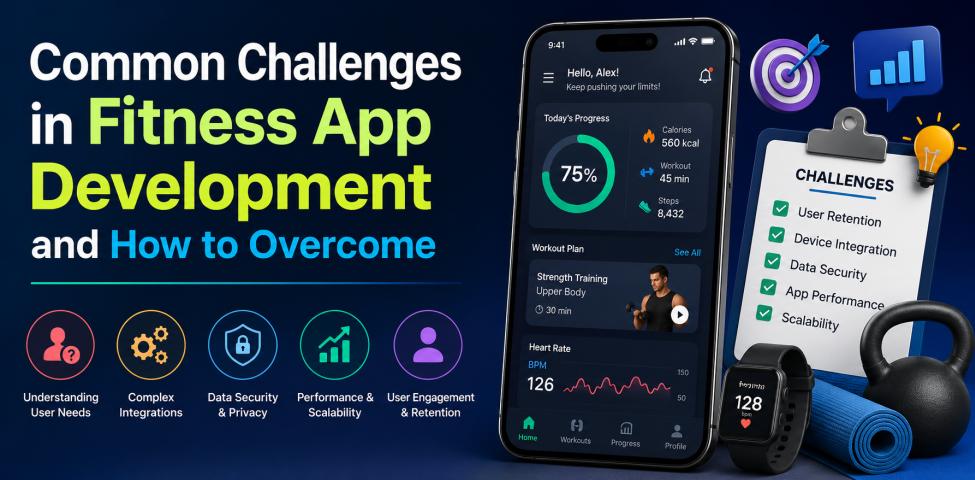
Challenges in Fitness App Development
Although fitness apps offer many benefits, development can involve challenges such as:
- Data privacy concerns
- Integration complexity
- User retention issues
- App scalability
- Fitness Application Development Costs
Partnering with an experienced fitness app development company helps overcome these technical and operational challenges.
Future of Fitness Apps in 2026
The future of fitness app development looks highly promising.
Emerging trends include:
- AI-powered personal training
- Virtual fitness experiences
- AR/VR fitness applications
- Advanced wearable integrations
- Smart wellness ecosystems
- Real-time health analytics
Digital fitness solutions will continue evolving as users increasingly prioritize health, convenience, and personalized experiences.
Final Thoughts
Custom fitness apps are transforming how personal trainers manage clients, deliver coaching, and grow their businesses in 2026.
From personalized workout plans and real-time tracking to remote coaching and AI-powered recommendations, fitness applications help trainers improve efficiency, engagement, and revenue opportunities.
As the fitness industry becomes more digital, investing in custom fitness app development can provide personal trainers with a strong competitive advantage and support long-term business growth.