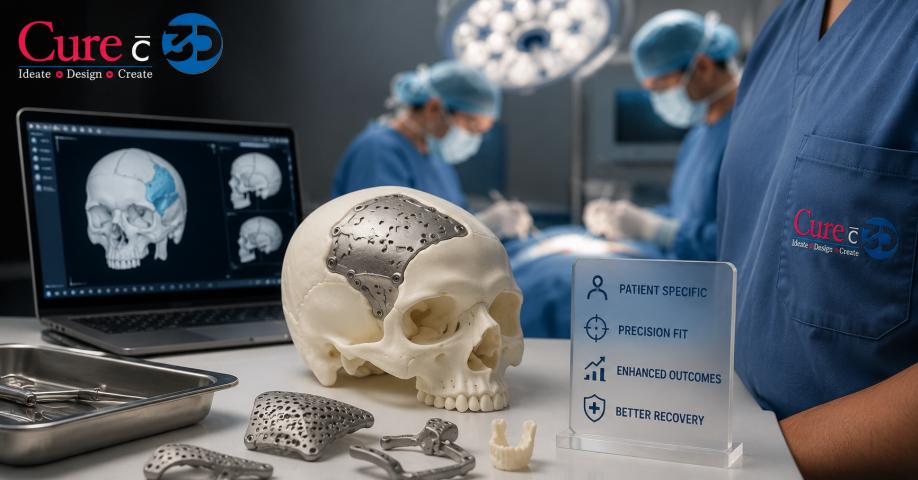
Imagine undergoing surgery with an implant designed specifically for your anatomy rather than selecting the closest available standard size. Thanks to advances in digital healthcare, this is no longer a vision of the future—it is today's reality.
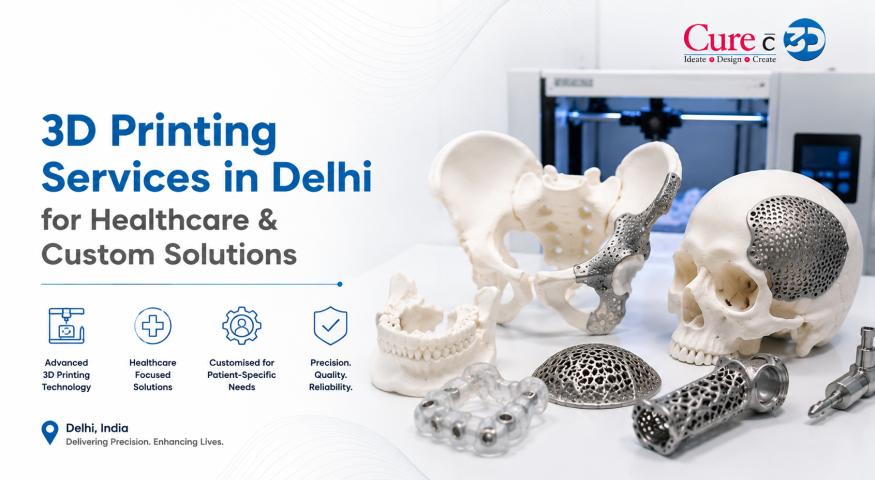
Patient-Specific Implants (PSIs) are revolutionizing orthopedic, cranio-maxillofacial (CMF), oncology, and reconstructive surgeries by providing personalized solutions that improve surgical precision, implant fit, and long-term outcomes. Instead of relying solely on conventional implants, surgeons can now use advanced medical imaging, computer-aided design (CAD), virtual surgical planning, and 3D printing to create implants that closely match each patient's unique anatomy.
As healthcare continues to embrace digital technologies, personalized implants have become one of the most significant innovations in modern surgery. They help surgeons plan procedures with greater confidence while reducing intraoperative modifications and supporting better functional recovery.
At Curewith3D, advanced engineering, digital surgical planning, and medical 3D printing technologies are used to support surgeons with patient-specific solutions that enhance precision throughout the surgical workflow.
What Are Patient-Specific Implants?
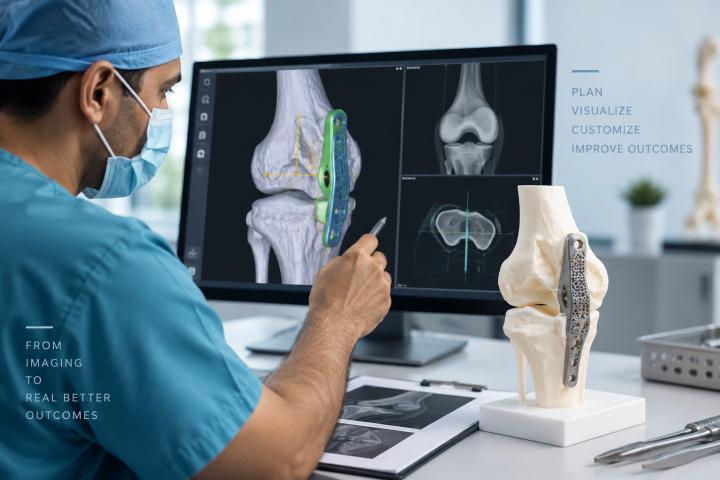
Patient-Specific Implants (PSIs) are customized medical implants designed using a patient's CT or MRI scan data. Unlike traditional implants that are manufactured in standard sizes, PSIs are digitally engineered to match the exact anatomical structure of an individual patient.
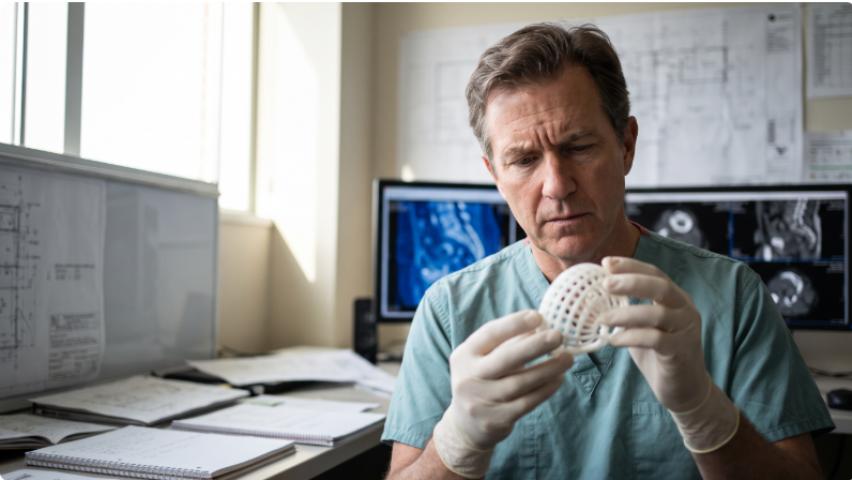
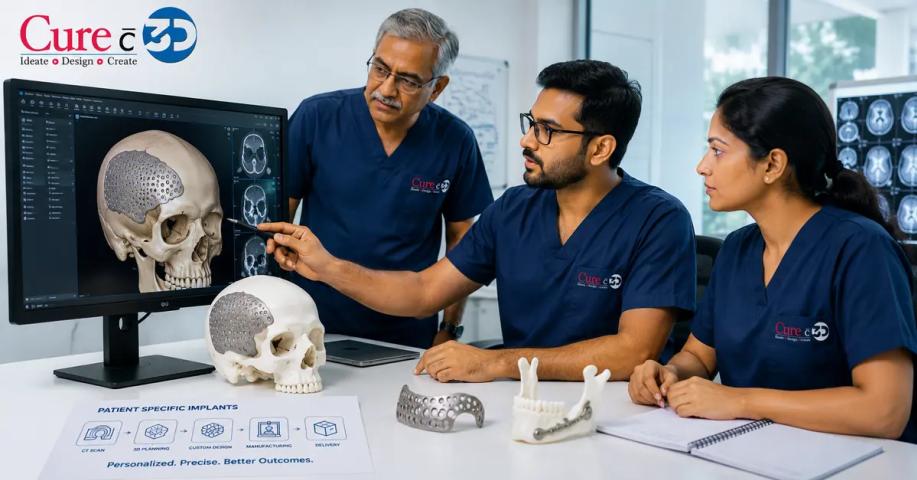
The design process begins with high-resolution medical imaging, where detailed anatomical information is collected. Specialized software converts these scans into accurate three-dimensional digital models. Biomedical engineers then collaborate with surgeons to create an implant that restores both anatomy and function.
Once approved, the implant is manufactured using advanced technologies such as titanium machining or metal 3D printing before undergoing rigorous quality checks for surgical use.
The result is an implant that fits more accurately, supports surgical precision, and minimizes unnecessary intraoperative adjustments.
Why Personalized Implants Matter More Than Ever
Every person's skeletal anatomy is different. Factors such as age, previous trauma, congenital deformities, bone loss, tumors, and arthritis create significant anatomical variations that standard implants cannot always accommodate.
Traditional implants often require surgeons to reshape bone or modify the implant during surgery. While these procedures are effective in many cases, they may increase operating time and complexity.
Patient-Specific Implants address these challenges by providing a solution tailored to the patient's anatomy before the operation even begins.
Some of the biggest advantages include:
- Improved anatomical fit
- Enhanced surgical precision
- Reduced operating time
- Better implant stability
- More predictable surgical outcomes
- Improved functional recovery
- Greater confidence during complex procedures
These benefits are particularly valuable in surgeries involving complex fractures, revision cases, tumor reconstruction, and facial reconstruction.
How Patient-Specific Implants Are Designed
One of the biggest strengths of personalized implant technology is its carefully planned digital workflow.
Step 1: Medical Imaging
Everything starts with detailed CT or MRI scans that capture the patient's anatomy in high resolution.
Step 2: Digital Reconstruction
The imaging data is converted into a highly accurate three-dimensional digital model of the affected bone or anatomical structure.
Step 3: Virtual Surgical Planning
Surgeons and biomedical engineers collaboratively evaluate the patient's anatomy and simulate the procedure before surgery. This stage allows implant positioning, alignment, and fixation strategies to be refined digitally.
Step 4: Implant Design
Using CAD software, engineers create a customized implant that follows the patient's natural anatomical contours while meeting surgical objectives.
Step 5: Manufacturing
The implant is produced using medical-grade materials such as titanium alloy or PEEK through precision manufacturing and advanced 3D printing technologies.
Step 6: Surgical Application
Because the implant has already been optimized, surgeons can perform the procedure more efficiently with fewer intraoperative modifications.
Clinical Applications of Patient-Specific Implants
Personalized implants are transforming several medical specialties.
Orthopedic Surgery
Complex orthopedic procedures benefit significantly from customized implants, particularly when conventional implants cannot adequately restore bone anatomy.
Applications include:
- Complex fractures
- Joint reconstruction
- Limb deformity correction
- Bone tumor reconstruction
- Revision joint replacement
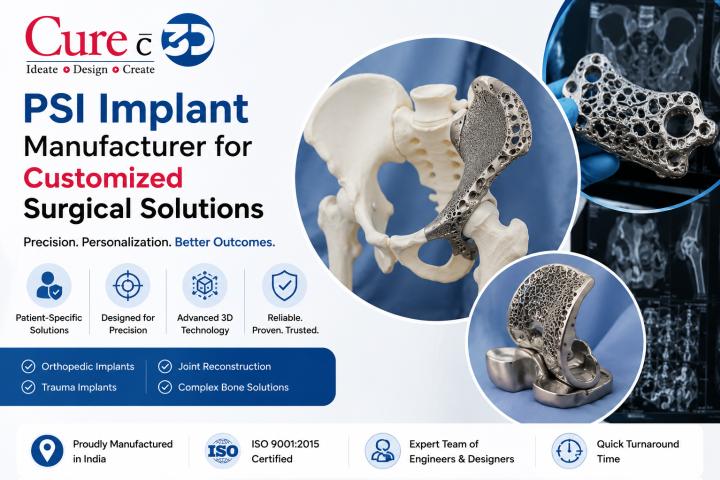
- Pelvic reconstruction
By restoring anatomy more accurately, surgeons can improve biomechanics while supporting long-term implant performance.
Cranio-Maxillofacial Surgery
Facial reconstruction often demands exceptional precision due to both functional and cosmetic considerations.
Patient-Specific Implants are widely used for:
- Mandibular reconstruction
- Orbital floor repair
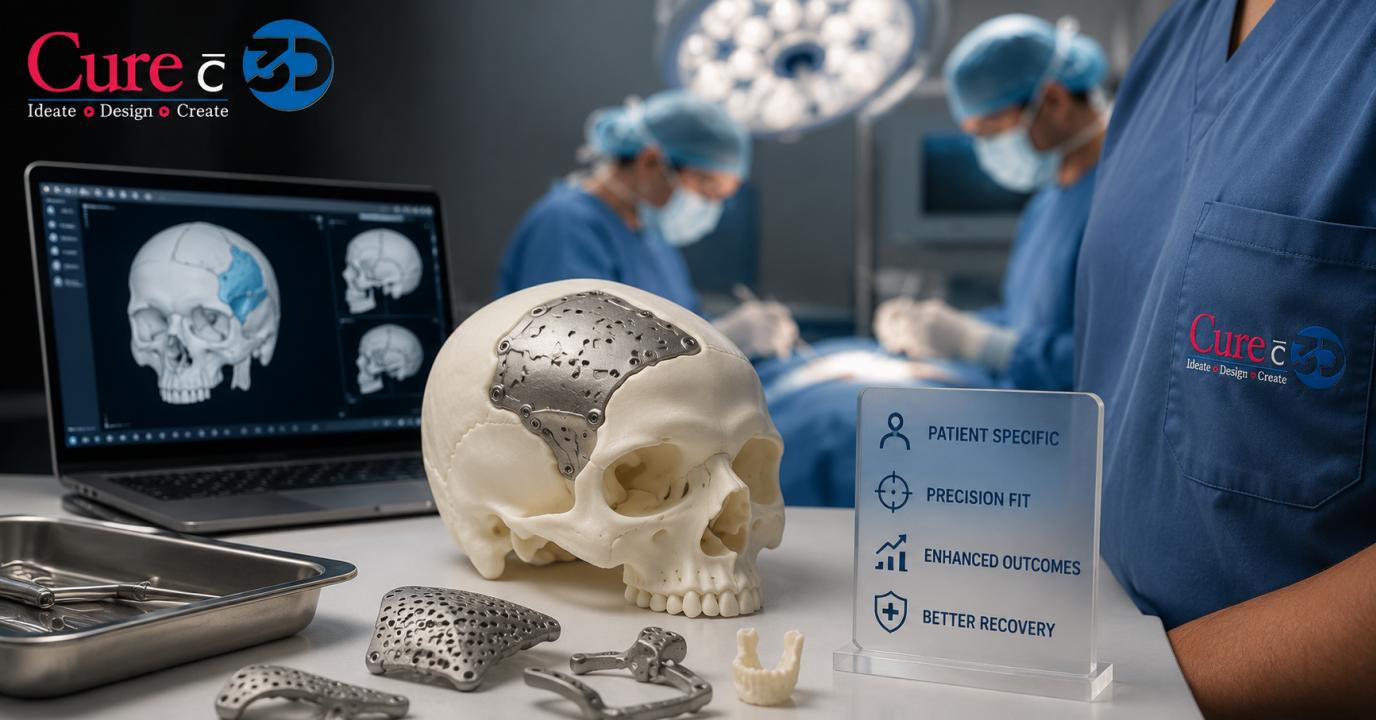
- Skull defect reconstruction
- Facial trauma
- Congenital deformity correction
Customized implants allow surgeons to recreate natural facial contours with greater accuracy.
Oncology Reconstruction
Following the removal of bone tumors, large skeletal defects often require complex reconstruction.
Personalized implants provide surgeons with solutions specifically engineered for each patient's remaining anatomy, helping restore stability, movement, and quality of life.
The Role of 3D Printing in Personalized Implant Manufacturing
The rapid growth of medical 3D printing has made Patient-Specific Implants more accessible than ever before.
Unlike traditional manufacturing methods, additive manufacturing builds implants layer by layer using highly precise digital models. This allows engineers to create complex geometries that would be extremely difficult—or even impossible—to produce using conventional techniques.
Common materials used include:
- Titanium Alloy
- Medical-grade Stainless Steel
- PEEK (Polyether Ether Ketone)
- Cobalt-Chromium Alloys
Titanium remains the preferred material because it combines excellent strength, corrosion resistance, lightweight properties, and superior biocompatibility.
Modern manufacturing also enables engineers to create porous implant surfaces that encourage bone growth and improve biological fixation.
Why Surgeons Prefer Personalized Surgical Planning
Patient-Specific Implants are most effective when combined with digital surgical planning.
Instead of making critical decisions during surgery, surgeons can evaluate anatomy, rehearse the procedure, confirm implant positioning, and anticipate challenges well before entering the operating room.
This approach offers several advantages:
- Greater surgical confidence
- Improved precision
- Better communication between surgeons and engineers
- Reduced surgical uncertainty
- Enhanced procedural efficiency
Organizations such as Curewith3D integrate advanced imaging, engineering expertise, and digital surgical planning to support healthcare professionals in delivering personalized treatment solutions for complex surgical cases.