Introduction to Restaurant Digital Signage
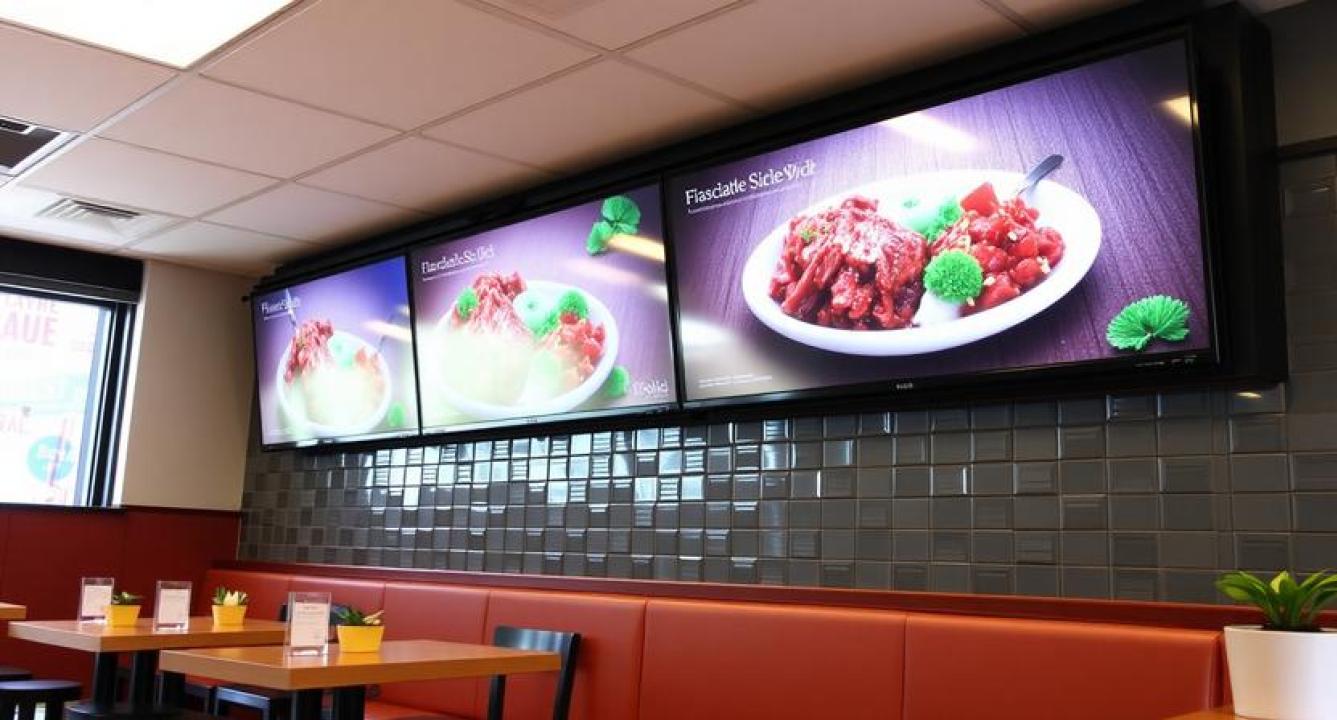
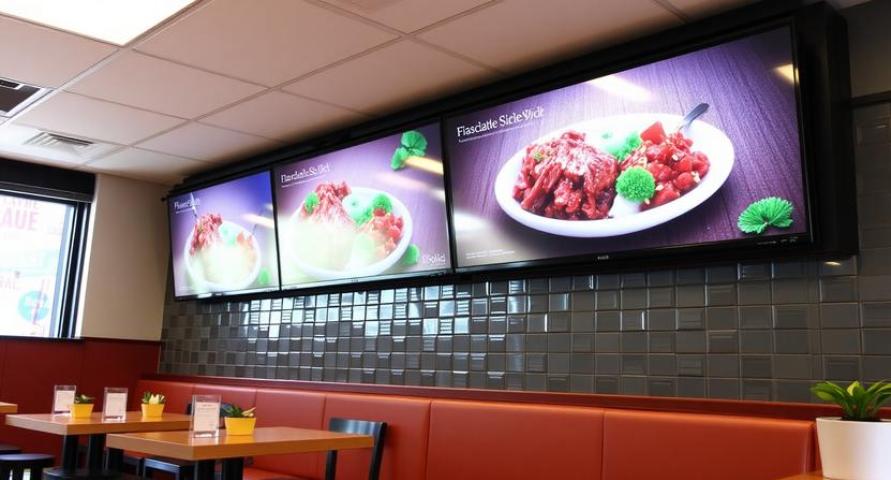
Digital signage is one of the most influential changes experienced in the restaurant industry in the last ten years due to the tremendous transformation of technology in the sector. Digital restaurant signage has long since outgrown simple menu boards and has become a full-fledged communication platform that can provide better customer experience, simplify operations, and boost profitability. From fast-food chains to fine-dining restaurants, restaurants of any size are incorporating digital signage solutions to remain competitive in a more digital market.
Conventional fixed menu boards pose a great challenge to restaurant operators. It is expensive and time-consuming to print and redistribute physical materials to update prices, add new items, or correct errors. Restaurant digital signage removes these inefficiencies, and instant updates can be made across all locations using a centralized management platform. This flexibility has been found especially useful in the current world of volatile food prices and shifting consumer tastes.
The History of Digital Menu Boards
The move away from chalkboards and printed posters to advanced digital displays is a major shift in restaurant operations. The first digital menu boards were just screens with static images on them, and they did not add much to printed variants other than a more pleasing appearance. Modern restaurant digital signage platforms have embraced cloud technology, dynamic content scheduling, and data integration to provide personalized, context-aware messaging.
Current digital menu boards are capable of showing various content depending on the time of day, weather, or inventory. Breakfast menus automatically change to lunch menus at specific times. Seasonal specials are displayed by calendar dates. Peak times can be used to spotlight high-demand items to optimize kitchen workflow and minimize customer wait times.
Modern restaurant digital signage solutions offer integration features that allow connection with point-of-sale, inventory management, and customer loyalty programs. These integrations help in automatically updating prices when there is a change in costs, displaying real-time inventory to avoid disappointing customers, and presenting individual promotions depending on purchase history.
The Most Important Advantages of Digital Signage in Restaurants Include
Operational Efficiency
Digital signage for restaurants saves a lot of overhead costs in terms of conventional menu management. The saved costs of printing, design fees, and installation labor are huge in the long run. Content changes that used to take days or weeks can now be done within minutes, allowing restaurants to react to altered conditions rapidly.
Employees are not required to update menus manually or respond to repeated customer questions about what is available at any given time; hence, staff productivity is enhanced. Order status, estimated wait time, and kitchen updates can be displayed digitally, relieving frontline employees during peak times.
Revenue Enhancement
Restaurant digital signage can be utilized as an effective upselling and cross-selling tool. Powerful video content and high-resolution images arouse appetite and motivate impulse buying. Placement of higher-margin items in strategic display positions can promote sales without the need for more staff intervention.
Dynamic pricing capabilities enable restaurants to vary prices depending on demand, time of day, or inventory. Promotional objects and limited-time offers can be emphasized without the need to create temporary signage. The psychological effect of digital displays, such as motion graphics and visual effects, has been found to drive average ticket size and improve conversion.
Customer Experience Improvement
Digital signage in restaurants improves the customer journey from start to finish. Easy-to-read menu displays minimize order mistakes and customer frustration. Order status, wait times, and kitchen activity information in real time control customer expectations and enhance satisfaction.
Interactive digital signage displays enable customers to browse menus, tailor orders, and learn about nutritional information at their own speed. This self-service option serves current consumer needs while also easing the workload of staff during rush hours.
Implementation Technical Considerations
Display Selection
The selection of displays is a crucial factor in the achievement of restaurant digital signage. Commercial-grade displays have better brightness, reliability, and durability than consumer televisions. Display size and brightness requirements depend on factors like viewing distance, ambient light, and mounting location.
Drive-thru and outdoor displays need special equipment that is brighter, more weatherproof, and able to withstand higher temperatures. Indoor displays can also be enriched with anti-glare finishes and expansive viewing angles to make them readable in different locations within the dining area.
Content Design Best Practices
Good digital restaurant signage must be designed with consideration of content and balance between aesthetics and functional readability. Typography must be understandable at the viewing distance. Color contrast should suit a wide range of lighting conditions and diverse vision abilities of customers.
Customer flow and dining patterns should be considered in content rotation schedules. Peak seasons might need quicker rotation to facilitate quick decision-making, whereas slower seasons can afford more detailed content presentation. Uniformity in the design across all restaurants ensures brand recognition and familiarity among customers.
Success and Return on Investment
Digital signage can be used by restaurant operators to gauge effectiveness in a number of ways. Sales statistics before and after implementation provide direct evidence of revenue impact. Customer surveys and measurements of order accuracy show improvements in service quality.
Efficiency improvements are shown by operational metrics such as update time, staff training needs, and maintenance expenses. Connection to POS systems allows detailed analysis of promoted item sales, changes in basket size, and promotion efficiency.
Conclusion
Restaurant digital signage is a wise investment that provides quantifiable benefits on various business levels. Its operational efficiency, revenue growth, and customer experience improvements make digital signage a key technology in the contemporary restaurant business. With ever-evolving digital signage technology incorporating artificial intelligence and more personalization features, restaurants adopting the technology place themselves in a better position to succeed in the long term in a highly competitive market.