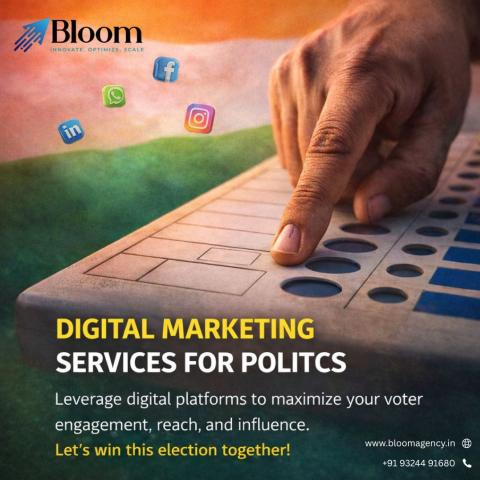
Political campaigns today depend on more than public meetings and traditional advertising. Voters increasingly discover candidates, parties, policies, and campaign messages through search engines, social media, video platforms, websites, and digital news channels. A professional Political Marketing Agency helps political organizations build a consistent digital presence, communicate with audiences, and manage campaign messaging across multiple platforms.
What Is a Political Marketing Agency?
A political marketing agency provides specialized communication, branding, digital marketing, content, advertising, and campaign strategy services for political candidates, parties, public representatives, and political organizations. Its role is to connect campaign objectives with the right audiences through measurable digital and offline communication strategies.
Key Political Marketing Services
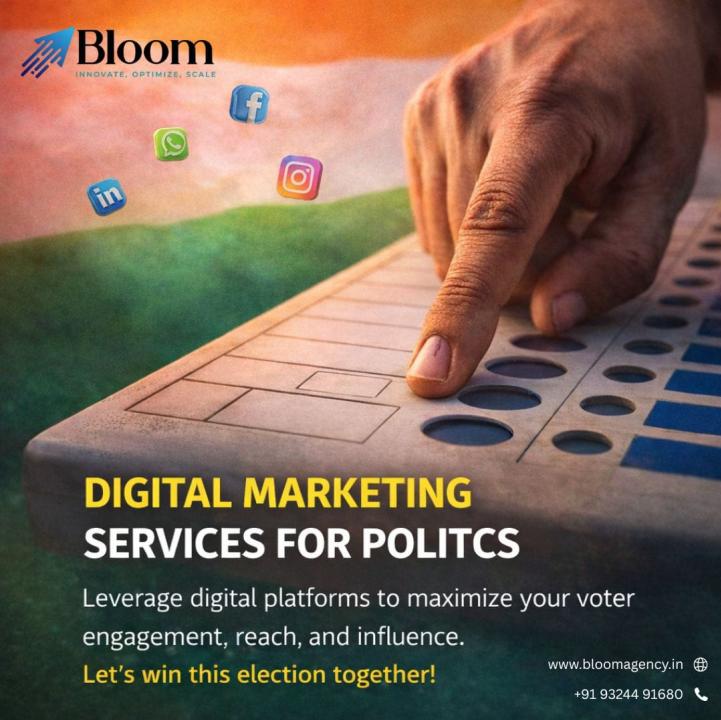
A political marketing campaign may include website development, social media management, search engine optimization, content creation, online advertising, video marketing, reputation management, and voter communication.
Social media can be particularly important because platforms such as Facebook, Instagram, YouTube, and X allow campaigns to publish speeches, policy explanations, event updates, interviews, and campaign announcements quickly.
Search optimization can also help people find official candidate information, campaign websites, policy pages, interviews, and public statements when they search online.
Building a Strong Political Brand
Political branding goes beyond logos and slogans. It includes the candidate's visual identity, communication >
An effective strategy focuses on clear and factual communication. Different audiences may have different interests, so campaign content can explain policies and public priorities in simple, accessible language while maintaining consistency with the candidate's official position.
Digital Content and Voter Communication
Content is an important part of modern political communication. Agencies can create blogs, short-form videos, infographics, interviews, campaign creatives, website content, newsletters, and social media posts.
The objective should be to provide useful information rather than relying solely on promotional messaging. Transparent communication can help audiences understand a candidate's background, priorities, initiatives, and public commitments.
Data-Driven Campaign Strategy
Digital platforms provide campaign teams with performance information such as engagement, website visits, content interactions, and advertising results. A political marketing agency can use these insights to evaluate which communication formats are performing well and adjust the campaign strategy accordingly.
All campaign activities should follow applicable election laws, advertising policies, platform rules, privacy requirements, and disclosure obligations.
Choosing the Right Agency
When selecting a Political Marketing Agency, organizations should evaluate its experience, digital capabilities, content quality, reporting process, understanding of compliance requirements, and ability to maintain consistent communication across channels.
A strong agency combines strategy, technology, creative communication, analytics, and responsible campaign practices. The ultimate goal is to help political organizations communicate their ideas clearly and maintain a credible digital presence throughout the campaign lifecycle.