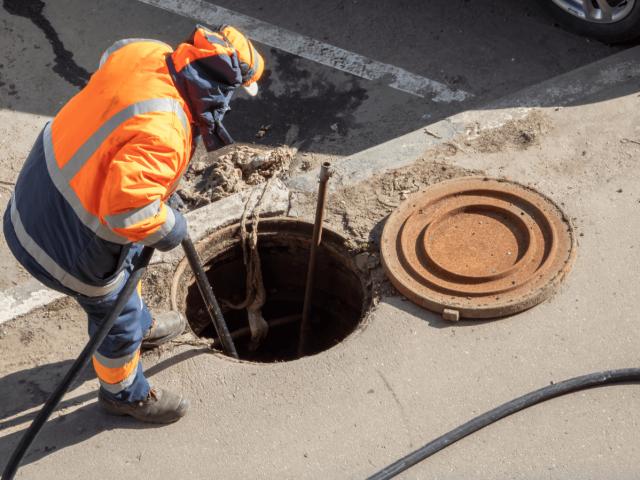
A properly installed drainage system is essential for moving wastewater and surface water safely away from your property. Poorly installed drains can lead to recurring blockages, leaks, flooding, unpleasant smells and costly repairs. This is why choosing a professional drain installation service can make a significant difference to the long-term performance of your drainage system.
Whether you are building a new property, replacing damaged underground pipes or improving an existing drainage network, professional installation ensures the system is designed and fitted correctly. But what actually happens during a professional drain installation? Here is a step-by-step guide.
What Is Drain Installation?
Drain installation involves planning, laying and connecting drainage pipes to create a reliable route for wastewater or surface water. Depending on the property, the work may involve underground pipes, inspection chambers, gullies, connections and other drainage components.
A professional installation needs to consider factors such as ground conditions, pipe gradients, water flow, property layout and connection points. Experienced drain contractors can assess these factors before installation begins to help ensure the system works efficiently.
Step 1: Site Assessment and Drainage Planning
The first stage is assessing the property and determining what type of drainage system is required. Professionals inspect the site, consider existing drainage infrastructure and identify suitable routes for the new pipes.
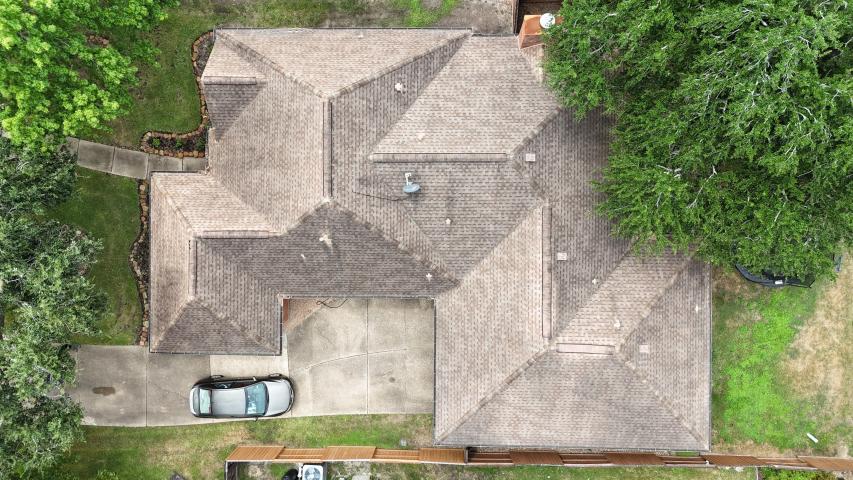
The drainage requirements can vary considerably between a residential property, commercial premises and a new-build development. The contractor may also consider nearby buildings, driveways, gardens and other structures that could affect the installation.
Careful planning helps reduce unnecessary excavation and ensures the proposed drainage system is practical for the property.
Step 2: Identifying the Drainage Route
Once the requirements have been established, the contractor determines where the drainage pipes should be installed. The route needs to provide an effective flow while avoiding unnecessary bends and obstacles.
Pipe gradients are particularly important. Drainage pipes generally need an appropriate fall so wastewater can move efficiently through the system. If the gradient is incorrect, water may drain too slowly, increasing the risk of sediment accumulation and blockages.
Professional local drainage solutions are planned according to the specific conditions of the property rather than relying on a one-size-fits-all approach.
Step 3: Excavation and Ground Preparation
After planning, the installation area is carefully excavated. The depth and width of the excavation depend on the pipework being installed and the site conditions.
The ground is prepared to provide a stable base for the drainage pipes. This is important because movement or uneven support underneath the pipes can eventually cause joints to separate, pipes to crack or the drainage gradient to change.
Experienced contractors take care during excavation to minimise disruption to surrounding areas wherever possible.
Step 4: Installing the Drainage Pipes
The next stage involves placing the drainage pipes into the prepared trench. Modern drainage systems commonly use durable materials designed to withstand underground conditions.
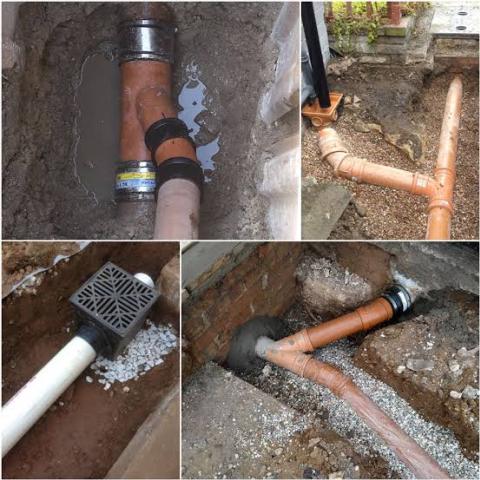
Each section of pipe is carefully positioned and connected to create a continuous drainage route. Joints need to be secure and properly aligned to reduce the risk of leaks.
The contractor also checks the pipe gradient throughout the installation. Correct positioning at this stage helps ensure wastewater and surface water can flow efficiently once the system is operational.
Step 5: Installing Inspection Chambers and Connections
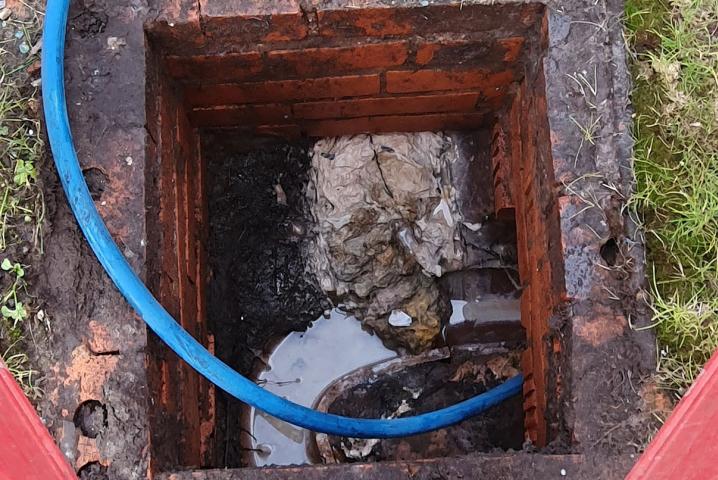
Depending on the drainage design, inspection chambers may be installed at strategic points. These provide access to the underground system for future inspections, cleaning and maintenance.
The new drainage system may also need to connect to existing drains, sewer systems or other drainage infrastructure. These connections must be completed correctly to prevent leaks and ensure the new system integrates effectively with the existing network.
Step 6: Testing the New Drainage System
Before the excavation is completely filled, the newly installed drainage system should be checked and tested. Contractors may inspect the pipework and connections to identify potential issues.
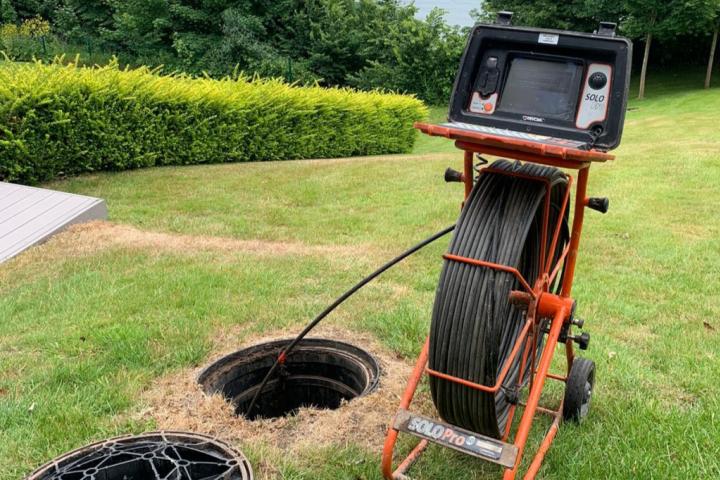
In some projects, additional testing or a CCTV drain survey may be appropriate. CCTV equipment can provide a detailed view of the inside of the pipes and help confirm that the system has been installed correctly.
Testing before backfilling is valuable because any problems can be addressed while the pipework is still accessible.
Step 7: Backfilling and Restoring the Area
Once the drainage installation has been inspected and confirmed, the excavation can be backfilled. Suitable material is placed around the pipes to provide appropriate support before the remaining trench is filled.
The surface can then be restored according to the property requirements. This may involve replacing paving, soil, concrete, tarmac or other surfaces affected by the installation.
A professional finish helps minimise the visual impact of the drainage work.
Why Choose Professional Drain Contractors?
Drain installation is not simply a matter of digging a trench and placing pipes underground. Incorrect pipe gradients, poor connections, inadequate support or unsuitable materials can cause serious drainage problems later.
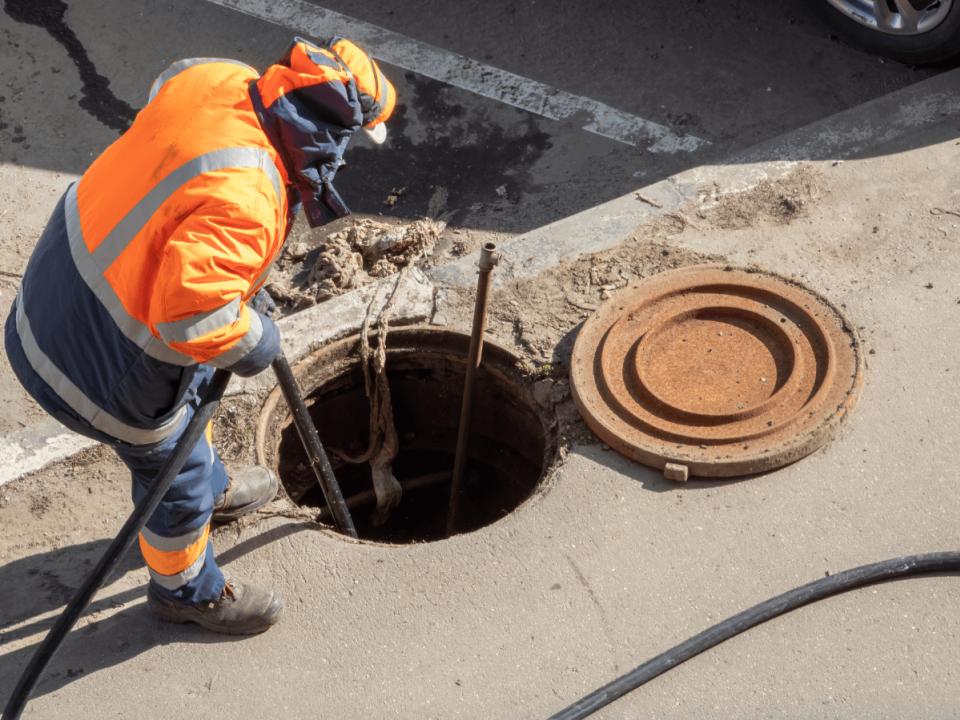
Professional drain contractors have the experience and equipment needed to plan and complete the installation properly. They can also identify potential problems with the existing drainage system before connecting new pipework.
Using a professional drain installation service can therefore help improve reliability, reduce the likelihood of recurring drainage issues and protect your property from avoidable water-related problems.
When Should You Consider a New Drain Installation?
A new drainage system may be appropriate when constructing a property, extending an existing building or replacing severely damaged underground drainage.
It may also be considered when an existing system repeatedly suffers from blockages, collapsed pipes, poor drainage or other persistent problems that cannot be effectively resolved through repairs alone.
A professional assessment can help determine whether replacement, repair or another drainage solution is the most suitable option.
Get Professional Drain Installation
A professional drainage installation involves several important stages, from site assessment and route planning to pipe installation, testing and surface restoration. Getting each stage right can help create a drainage system that performs reliably for years.
If you need a drain installation service, working with experienced professionals can help ensure your drainage system is correctly designed, installed and tested. For dependable local drainage solutions, arrange a professional assessment to determine the most suitable option for your property.