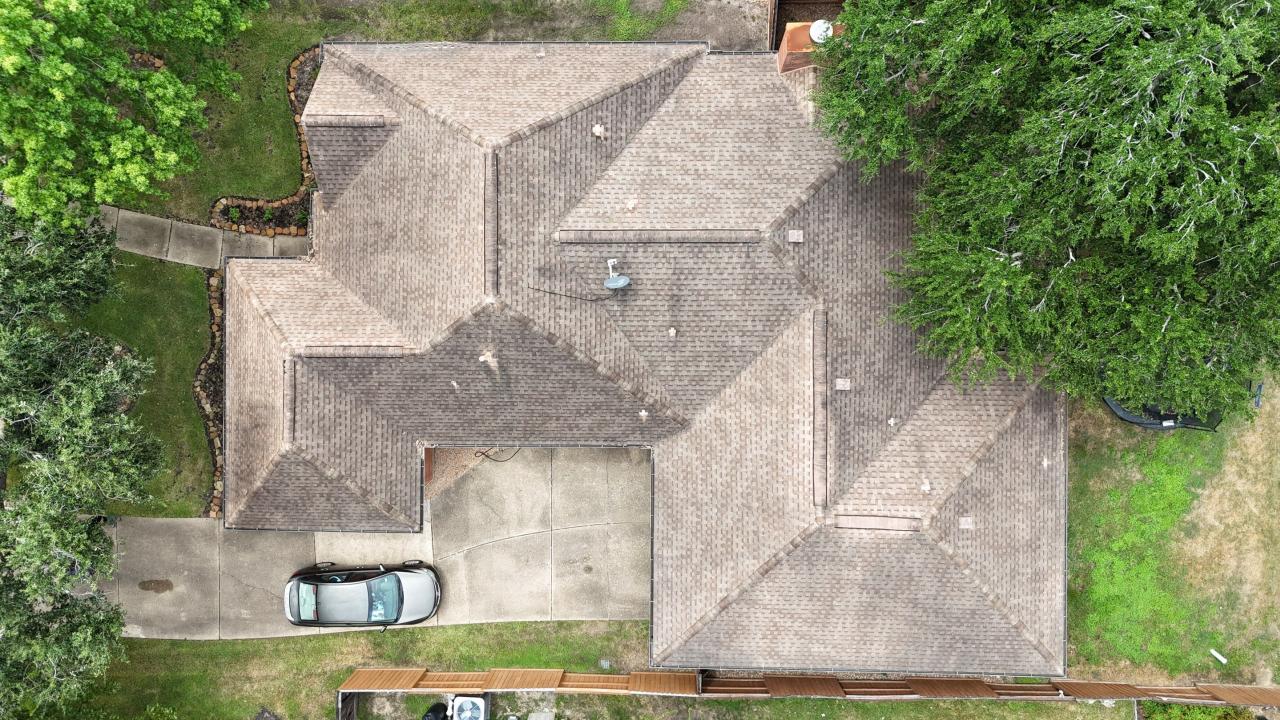
Installing a new roof is a major home project, but choosing a shingle color is only a small part of the decision.
A roofing system includes the deck, underlayment, flashing, ventilation, drainage components, penetrations, and finished roofing material. How those pieces are evaluated and installed can be just as important as the product homeowners see from the street.
If you're preparing for a new roof in Houston, here are nine things worth understanding before installation begins.
1. Know Why the New Roof Is Needed
Start with the existing roofing system.
Is the roof simply aging?
Has it developed recurring leaks?
Was it damaged during a storm?
Are you replacing it as part of a larger renovation?
Or is the roof being installed on new construction?
Understanding why the project is happening helps establish what should be evaluated before work begins.
For an existing home, an inspection can identify visible deterioration, previous repairs, flashing problems, storm damage, and other conditions that may influence the project.
A professional roofing company in Houston can inspect the current system and explain which components require attention before the new roof is installed.
2. Understand What Happens to the Existing Roof
If you're replacing an existing roof, ask what happens to the old materials.
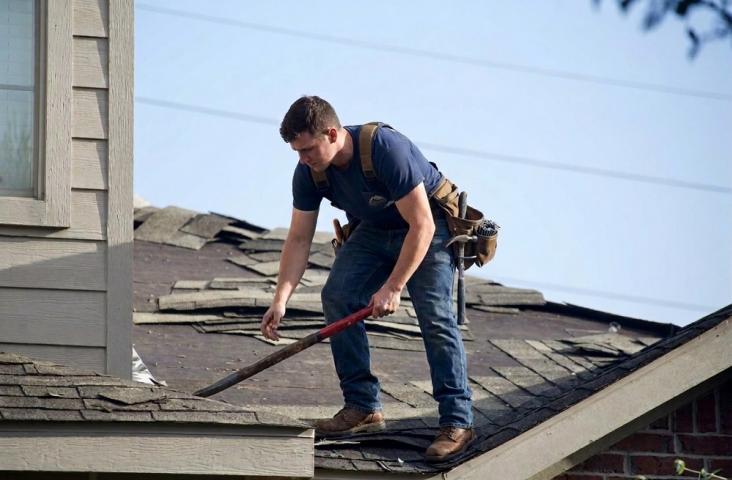
A full tear-off exposes the roof deck and gives the contractor an opportunity to inspect areas that normally remain hidden.
That's important because problems underneath the finished roofing material may not be obvious beforehand.
Once the old materials are removed, the contractor can look more closely for deterioration, moisture-related damage, or previous repairs that may require attention.
3. Ask How Damaged Decking Will Be Handled
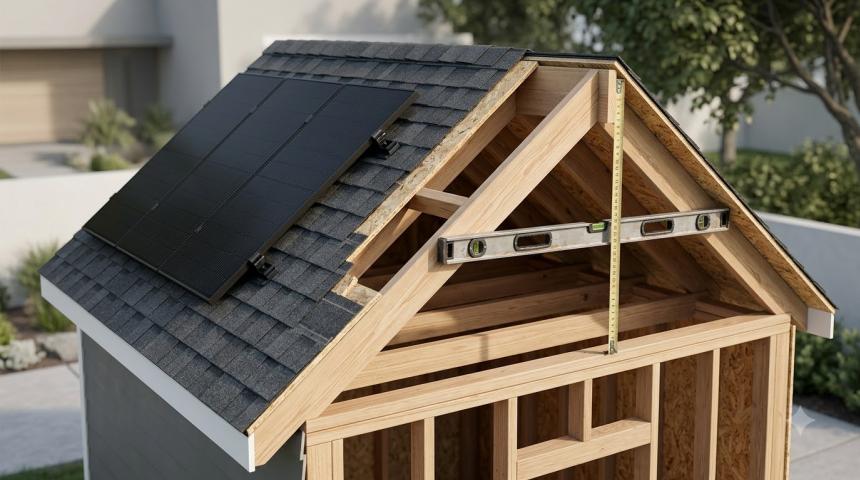
The roof deck provides the structural surface beneath the roofing system.
New roofing materials need an appropriate surface underneath them.
During tear-off, contractors may discover:
- Soft decking
- Moisture damage
- Rot
- Deteriorated sections
- Previous patchwork
- Other areas requiring repair
Ask before the project begins how these discoveries will be handled.
The proposal should explain whether any decking replacement is included and how additional repairs will be communicated and priced.
4. Find Out What Underlayment Is Included
Underlayment sits between the roof deck and the finished roofing material.
It's an important part of the system, yet homeowners comparing estimates sometimes focus exclusively on shingles.
Ask what type of underlayment is being proposed and whether additional protection is planned for vulnerable roof areas.
Achilles' documented Houston roofing projects, for example, include synthetic underlayment as part of the roof assembly.
Understanding what's underneath the shingles makes it easier to compare two proposals that might otherwise look similar.
5. Ask About Flashing
Flashing helps manage water around some of the roof's most vulnerable transitions.
Common locations include:
- Chimneys
- Valleys
- Plumbing vents
- Skylights
- Roof-to-wall intersections
- Other penetrations
Ask whether existing flashing will be reused, replaced, or evaluated individually.
A new field of shingles doesn't automatically correct a problem around a poorly detailed penetration or transition.
These smaller components deserve attention during installation.
6. Don't Forget Ventilation
Ventilation should be considered as part of the roofing system rather than added as an afterthought.
The appropriate configuration depends on the house, attic, and roof design.
Ask the contractor:
How is the existing ventilation performing?
What intake and exhaust components are present?
Will anything change with the new roof?
Are ventilation upgrades included in the proposal?
Achilles' completed Houston-area projects show that ventilation upgrades can be incorporated into a complete roof system when appropriate.
7. Compare the Entire Roofing System, Not Just Shingle Brands
It's easy to compare estimates based on the most recognizable product listed.
But two contractors proposing the same shingle don't necessarily provide the same roofing system.
Look at everything included:
- Tear-off
- Deck inspection
- Deck repairs
- Underlayment
- Drip edge
- Flashing
- Ventilation
- Finished roofing material
- Cleanup
- Warranty documentation
Achilles' Houston project documentation, for example, shows projects incorporating components such as synthetic underlayment, Kynar-coated drip edge, starter strip, decking work, and ventilation depending on the scope.
The details matter.
8. Understand the Installation Process Before Work Starts
Homeowners shouldn't have to guess what will happen once the crew arrives.
Before scheduling roof installation in Houston, ask the contractor to explain the project sequence.
That might include:
- Property preparation
- Delivery and staging of materials
- Removal of existing roofing
- Inspection of the deck
- Necessary deck repairs
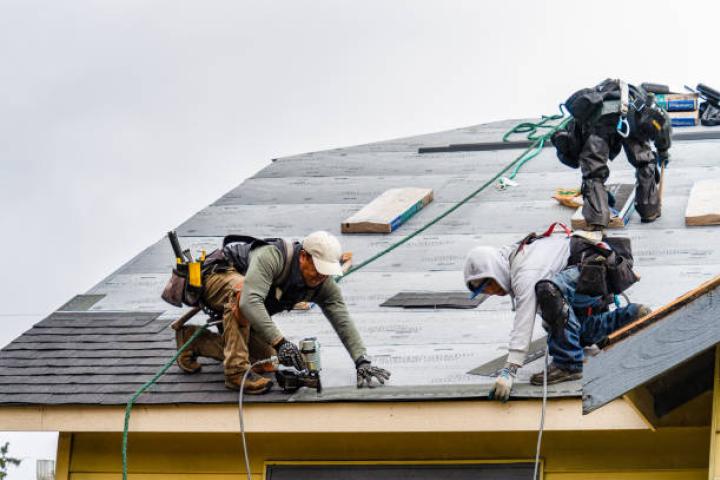
- Installation of underlayment
- Flashing and roof details
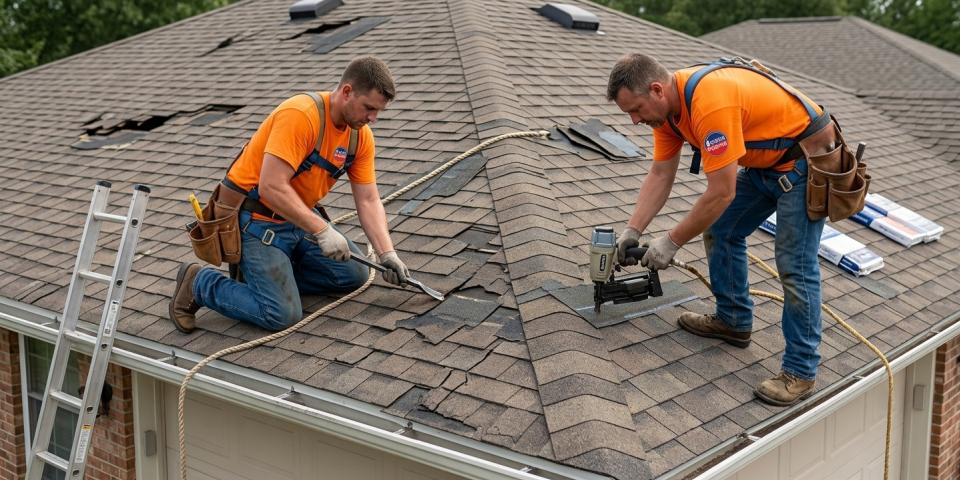
- Installation of the roofing material
- Ventilation work
- Cleanup and final inspection
The exact sequence will depend on the roofing system and property, but homeowners should understand the general process before installation day.
9. Know What Happens After Installation
The final shingle doesn't necessarily mark the end of the project.
Ask what happens afterward.
Will there be a final inspection?
How will the property be cleaned?
What warranty documentation will you receive?
Are there maintenance recommendations?
Who should you contact if you have a question after completion?
Keep copies of contracts, invoices, material information, warranties, inspection records, and project photographs.
Those documents create a useful history of the roofing system for future maintenance or ownership changes.
Questions to Ask Before Signing
Before committing to a roofing proposal, consider asking:
What exactly is being removed?
How will the roof deck be inspected?
What happens if damaged decking is discovered?
Which underlayment is included?
How will flashing be handled?
Is ventilation being evaluated?
What roofing material is being installed?
What does cleanup include?
What warranties apply?
Clear answers make it much easier to understand what you're actually purchasing.
A New Roof Is More Than the Material You See
Shingles, tile, or metal may be the most visible part of a finished roof, but the system underneath matters too.
The roof deck provides the foundation.
Underlayment adds protection beneath the exterior material.
Flashing manages vulnerable transitions.
Ventilation helps manage attic conditions.
And proper installation ties those components together.
Houston homeowners planning a roofing project should therefore compare complete systems rather than choosing solely on shingle color, brand, or the lowest estimate.
Achilles Roofing & Exterior provides roof installation, replacement, repair, and inspection services throughout Houston and surrounding communities.