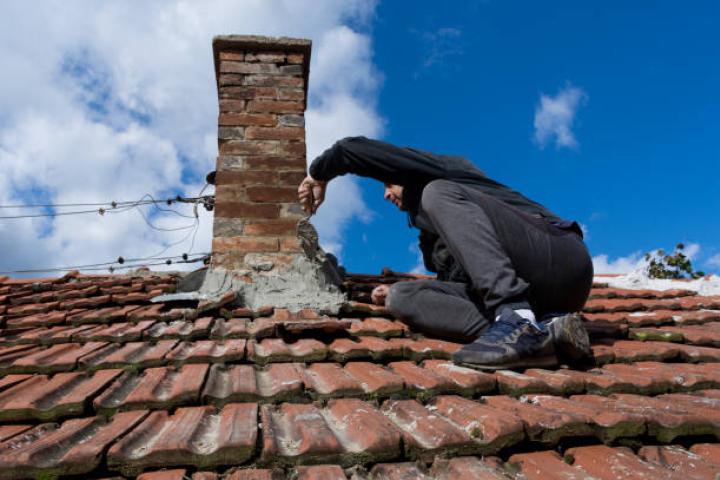
A small roof repair can be a perfectly reasonable solution. A damaged shingle, loose flashing, or isolated leak doesn't necessarily mean an entire roof needs major work.
The problem starts when the same issue keeps coming back.
If a homeowner has repaired a leak several times but notices the same ceiling stain after every heavy rain, the visible damage may only be part of the story. Understanding when repeated repairs deserve a closer look can help prevent unnecessary frustration and additional interior damage.
When a Small Repair Makes Sense
Roofs can develop isolated problems for many reasons.
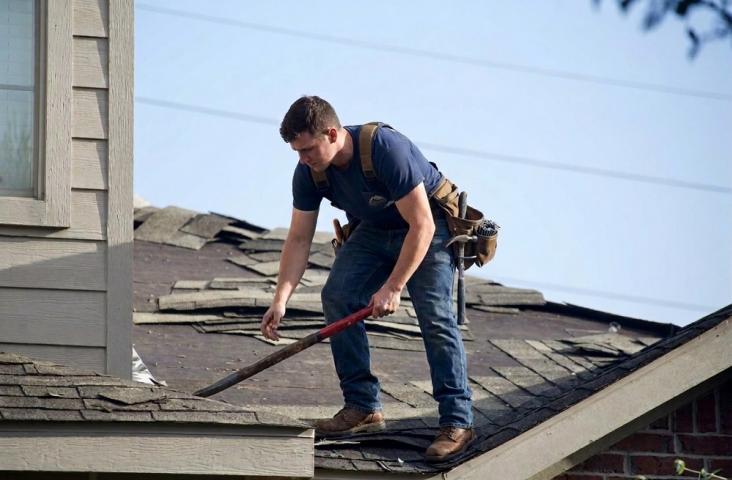
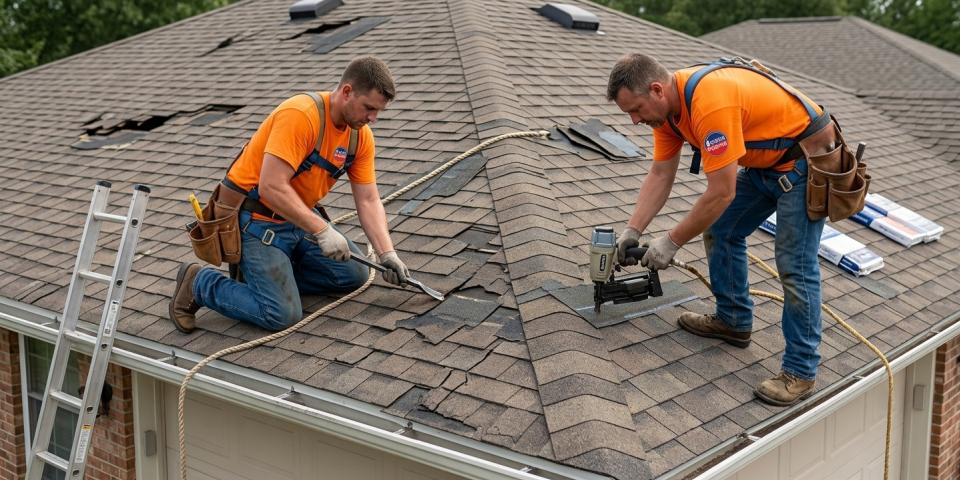
A few wind-damaged shingles, a small flashing failure, or a localized penetration issue may be repairable without affecting the rest of the roofing system.
In these situations, the goal is straightforward: identify the damaged area, correct the underlying issue, and make sure the repair properly integrates with the surrounding roof.
A repair becomes more complicated when the same location repeatedly develops problems.
Why the Same Leak Can Keep Returning
Water doesn't always enter a roof directly above the spot where it becomes visible inside the house.
For example, water can enter around flashing or another roof penetration and travel along the roof deck before eventually reaching a ceiling or wall. That means replacing the material closest to the visible stain may not address the actual entry point.
If the stain returns after a repair, it's worth asking whether the source was correctly identified in the first place.
Repeated Repairs Can Reveal a Pattern
One repair isn't necessarily concerning. Several repairs over a relatively short period can tell a different story.
Pay attention if you notice:
- The same ceiling stain returning
- Multiple leaks appearing in different areas
- Shingles becoming damaged repeatedly
- Flashing that needs frequent attention
- Water entering after every major rain
- More repairs being needed as the roof gets older
The pattern matters because a roof is a connected system. Problems that appear in several locations may indicate broader wear rather than a collection of unrelated small defects.
Look Beyond the Visible Damage
When evaluating a roof, it's useful to consider more than the material that looks damaged from the ground.
A professional inspection can look at shingles, flashing, penetrations, drainage areas, and other components to determine whether the issue appears localized or more widespread.
That distinction can help homeowners avoid two common mistakes: replacing an otherwise serviceable roof because of one isolated problem, or continuing to patch a roof that has reached the point where repeated repairs no longer make practical sense.
The Age of the Roof Matters Too
The same repair can mean something different depending on the condition of the rest of the roof.
A relatively well-maintained roof with one damaged shingle may simply need a localized fix.
An older roof with widespread granule loss, curling shingles, repeated leaks, and multiple damaged areas deserves a more complete evaluation.
The goal isn't to automatically turn every repair into a replacement discussion. It's to understand whether the repair is addressing an isolated defect or another symptom of a larger problem.
What The Woodlands Homeowners Can Do
If you have already repaired a leak, keep a basic record of what was fixed and when.
Photos can also be useful. Document the original stain, visible exterior damage, and any changes that occur after rainfall.
If the same problem returns, that history gives a roofing professional more information to work with.
For homeowners looking for roof repair in The Woodlands, the objective should be finding the actual source of the problem rather than repeatedly treating the most obvious symptom.
Achilles Roofing & Exterior notes that roof water can travel along the roof deck before appearing somewhere else inside the home, which is one reason leak diagnosis requires looking beyond the visible stain.
Repair the Problem, Not Just the Symptom
Repeated roof repairs aren't automatically a sign that a roof needs to be replaced. They are, however, a reason to step back and evaluate the bigger picture.
If a repair solves an isolated problem, that's a good outcome. If the same issue keeps returning, the next step may be a more detailed inspection to determine what's actually causing it.
For homeowners who need roof repair services, understanding the difference between an isolated repair and a recurring roofing problem can make the next decision much clearer.
A good roof repair isn't simply about covering up the evidence of a leak. It's about finding where the problem starts and addressing it properly.