Technology is now part of almost every business operation. From communication and customer service to accounting, data storage, and daily collaboration, companies depend on digital systems to keep work moving. When those systems run smoothly, employees can stay productive and customers receive better service. When technical problems appear, even a small issue can quickly interrupt normal operations.
For many businesses, maintaining reliable technology is not simply about fixing problems when they happen. It also involves preventing avoidable issues, protecting important information, keeping systems updated, and making sure employees have the support they need. This is where professional IT support can make a meaningful difference.
Why Businesses Need Reliable IT Support
Technology problems rarely happen at a convenient time. A slow network, outdated software, computer failure, or access issue can delay employees and create unnecessary frustration. If a company relies on an internal employee to handle every technical problem, that person may become overwhelmed as the business grows.
Professional IT support provides businesses with access to technical knowledge without requiring them to build a large technology department from the ground up. Support teams can help identify problems, maintain systems, and provide guidance when a company needs to introduce new technology.
The goal is not simply to respond when something breaks. Good IT support should help create a more stable and predictable technology environment.
The Value of Preventive Maintenance
One of the biggest advantages of professional IT management is the focus on prevention. Waiting until a system fails can result in lost productivity and unexpected costs. Regular maintenance can help identify potential problems before they become serious disruptions.
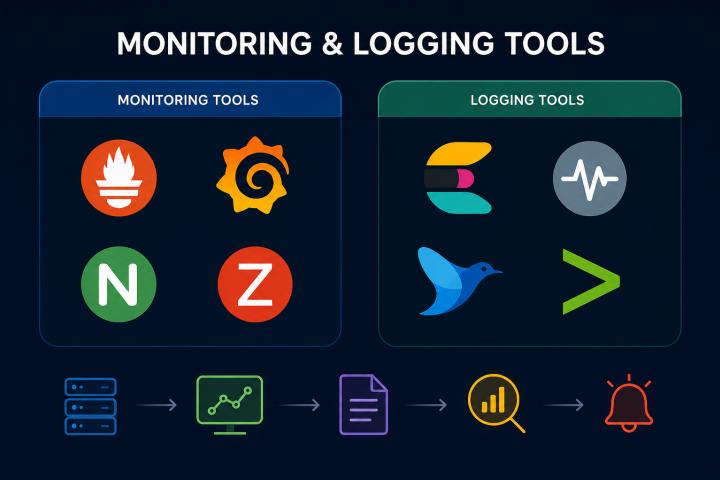
Preventive IT work may include monitoring systems, applying appropriate software updates, reviewing network performance, checking backups, managing devices, and identifying unusual activity. These routine tasks may not always be visible to employees, but they can have a significant impact on day-to-day operations.
A proactive approach also allows businesses to plan technology improvements instead of making rushed decisions during an emergency.
Understanding Fully Managed IT Services
Some companies prefer to handle their technology internally, while others need outside expertise to manage a larger portion of their IT environment. For organizations looking for ongoing technical assistance, fully managed IT services can provide a structured approach to technology management.
Rather than focusing only on individual support requests, a managed service model can cover multiple areas of a company's technology environment. Depending on the provider and business requirements, this may include network management, device support, system monitoring, software management, data backup, cybersecurity measures, and help desk assistance.
The exact services included can vary, so businesses should review the scope carefully before choosing a provider. A good arrangement should reflect the company's actual needs rather than offering unnecessary features.
Supporting Employees
Employees often lose valuable time when they cannot access the systems or tools required for their work. Even relatively minor technical problems can become disruptive when workers do not know how to resolve them.
A dependable IT support process gives employees a clear way to report technical issues and receive assistance. This can be particularly useful for companies with remote or hybrid teams, where employees may work from different locations and depend heavily on cloud-based applications.
Good support is also about communication. Technical problems should be explained in language that employees can understand, rather than relying entirely on complicated technical terminology.
Protecting Business Information
Businesses handle many types of important information, including customer records, financial documents, employee information, contracts, and internal communications. Protecting this information should therefore be an ongoing priority.
IT management can support a company's broader security strategy through measures such as access controls, software updates, secure configurations, employee awareness, backup procedures, and regular system reviews.
No technology strategy can guarantee that every problem will be prevented. However, maintaining sensible security practices and preparing for potential incidents can reduce unnecessary risks and help a business respond more effectively when something goes wrong.
Planning for Business Growth
Technology requirements often change as a company expands. A small business may begin with a few computers and basic online tools, but its needs can become considerably more complex as it hires employees, opens additional locations, adopts new applications, or serves more customers.
IT planning helps businesses make technology decisions with future requirements in mind. Instead of purchasing systems simply because they are popular or inexpensive, companies can consider factors such as scalability, compatibility, security, usability, and long-term costs.
This approach can prevent businesses from repeatedly replacing technology because an earlier solution could not support their growth.
Choosing the Right IT Approach
There is no single IT strategy that works for every organization. Some companies have experienced internal IT teams and only need occasional outside assistance. Others may benefit from ongoing external support.
Before selecting an IT provider, businesses should consider their current infrastructure, number of employees, remote work requirements, security needs, budget, and expected growth. It is also important to understand response times, support availability, service coverage, and responsibilities on both sides.
The right solution should make technology easier to manage rather than adding unnecessary complexity.
Final Thoughts
Reliable technology has become an important part of running a modern business. Instead of viewing IT as something that only matters when a computer stops working, companies can treat technology management as an ongoing business function.
Proactive maintenance, employee support, sensible security practices, reliable backups, and thoughtful technology planning can help organizations operate more efficiently and prepare for future demands. Whether a business relies on an internal team, external specialists, or fully managed IT services, the most important objective is the same: creating a dependable technology environment that allows people to focus on their work.