Finding a reliable professional for home repairs, cleaning, plumbing, or electrical work can take time. Customers often need to compare service providers, check availability, and arrange appointments before getting the work done. A home services app can bring these steps together and make booking easier for both customers and professionals.
For businesses considering this type of platform, the first step is understanding what customers need and how service providers will use the app.
Start With the Right Services
A business does not need to offer every household service from day one. It can begin with a few popular categories, such as cleaning, plumbing, appliance repairs, or electrical services, and expand based on customer demand.
The booking process should match the service. Customers booking a regular cleaning appointment may prefer fixed prices and available time slots. Someone dealing with a plumbing problem may need to explain the issue and request an estimate before confirming the booking.
Include Features That Make Booking Easier
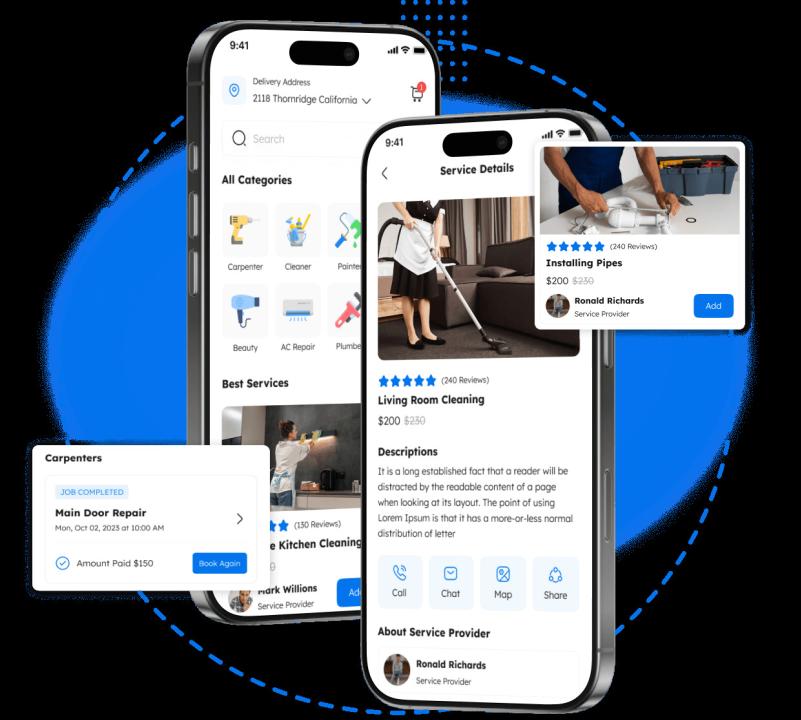
The app should help customers find a suitable professional without making them go through a complicated process. Service categories, clear descriptions, provider profiles, appointment scheduling, and booking confirmations are useful starting points.
Ratings and reviews can help customers compare providers, while notifications keep them informed about appointment changes. Online payments and customer support can make the process more convenient.
Service professionals also need a simple way to manage their availability, accept requests, update job status, and track completed bookings. An admin panel can help the business manage users, services, payments, and customer complaints.
Decide How the App Will Earn Revenue
The revenue model should suit the way the business operates. Some platforms charge a commission on completed bookings, while others offer subscriptions to service providers or charge fees for customer leads.
Before choosing a model, businesses should consider payment processing costs, customer support, refunds, marketing, and the expenses involved in attracting reliable professionals. Pricing should be clear to both customers and service providers.
Choose a Development Approach That Fits Your Goals
The technology and features needed for a home services app depend on its target audience, service area, and business model. A local cleaning service may need a straightforward booking system, while a platform covering several cities may require more advanced scheduling, provider management, and reporting.
Businesses researching home services app development can explore solutions for building a platform that fits their requirements. Planning the customer app, service provider app, and admin panel together can help avoid gaps in the booking process.
Make Customer Trust a Priority
Customers need to know who will arrive at their home, what the service includes, and how problems will be handled. Provider verification, transparent pricing, clear cancellation policies, and accessible customer support can help establish trust.
Businesses should also have a process for handling late arrivals, cancellations, complaints, and refund requests. These details may seem small during development, but they can strongly affect whether customers choose to use the app again.
Build for Long-Term Use
A home services app should solve a real problem for customers and make daily work easier for service professionals. Starting with a clear service offering, selecting practical features, and collecting feedback after launch can help a business improve the platform over time.
Rather than adding every possible feature at once, businesses can focus on making booking reliable, communication clear, and service quality consistent. These are the things that can turn a first-time booking into a repeat customer.