Use AI Vision Systems for Accurate Warehouse Inventory
Accurate inventory management is an important aspect of a warehouse. Issues such as manually counting stock, mislabeling, and slow stock updates can cause discrepancies across the warehouse. This will lead to issues such as stockouts, overstock, and delays.
AI Vision systems can be used to provide a smart solution to inventory management. Using cameras, computer vision, and AI, you can automatically identify products, track stock, and ensure accurate inventory records. This provides insight into a business's operations and reduces the time spent manually counting.
What Are AI Vision Systems?
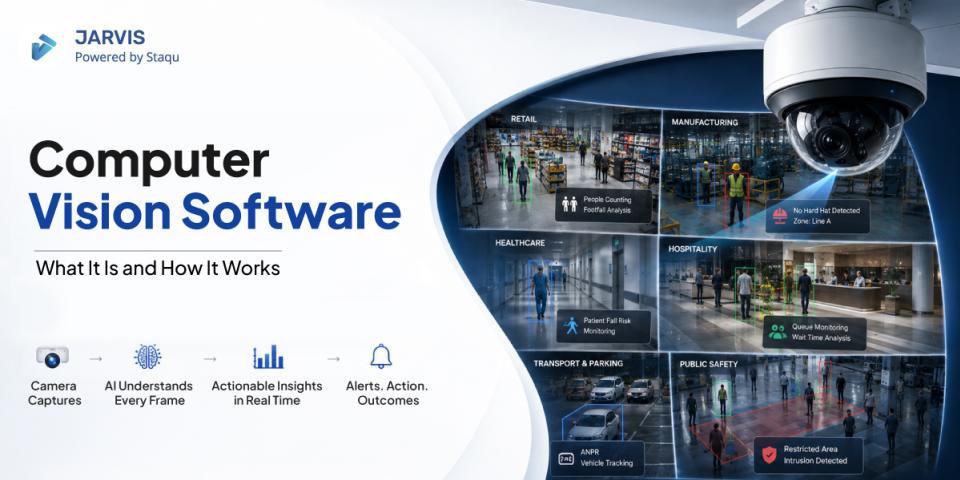
AI Vision systems use cameras to gather data and use AI algorithms to identify products within the warehouse. These can identify products, labelling, track objects and recognise changes.
This can be more efficient than traditional barcoding. Computer vision can track multiple products at once. Cameras can be mounted on the warehouse ceiling, mobile robots, forklifts, or the inventory itself.
Once data has been gathered, it can be used to identify any changes to a product's inventory and update the warehouse management system. This provides more opportunities for verifying stock levels. Many businesses today rely on professional AI development services to design and deploy these vision-based systems, ensuring they integrate smoothly with existing warehouse infrastructure.
How AI Vision Can Help With Accurate Inventory
1. Automated Stock Count
Manually counting inventory can take up a lot of time, especially if there are a lot of products in the warehouse. AI Vision systems can identify products on the shelves and calculate how many there are based on images or videos.
This means that warehouse staff can count more frequently without causing any disruptions. If there is any discrepancy between what the system expects to see and what it sees, it can alert staff. This reduces any errors in counting.
2. Real-Time Inventory Updates
Having accurate inventory requires knowing where items are and when they have changed. AI Vision systems can be used to track products as they move through the warehouse.
Cameras can identify when a pallet has gone into the storage area or products have been taken off a shelf. This can be linked to the warehouse management software to keep inventory updated. This means staff can find items more quickly. Platforms built through artificial intelligence development services make this real-time data capture possible by connecting vision models directly to warehouse management software.
3. Find Misplaced Products
If products have been placed in the wrong area of the warehouse, this can cause delays when picking. The traditional inventory system may still show where the product is meant to be.
Computer vision powered by AI can be used to identify where items are visually compared to the inventory within the warehouse. If there is any discrepancy, then it can alert staff or suggest doing a stock check.
This helps the warehouse team to:
- Identify items that have been put in the wrong area of storage.
- Quickly identify any discrepancies.
- Minimise searching for items.
- Increase accuracy on where stock is.
Dedicated computer vision services help warehouses configure these detection models precisely, ensuring misplacement alerts are reliable and tailored to the specific layout of each facility.
Overall Improvements to the Warehouse
AI Vision systems can help increase overall efficiency in a warehouse. Visual data can be used to identify popular storage areas, track pallets, and see where frequent errors occur.
This can help improve the layout of the warehouse and improve picking. By using historical inventory data with computer vision, businesses can understand why frequent stock discrepancies occur.
However, visual recognition can't always be relied on to give accurate data. Packaging of products, lighting, overlapping items, and similar-looking items can cause issues. A well-designed system would take this into account and link the visual data with operational data and manual checking.
Implementing AI Vision with Warehouse Systems
To get the best out of AI Vision, it needs to be implemented alongside other systems within the warehouse. Integrating with warehouse management systems (WMS), inventory databases, and enterprise resource planning software ensures the data is being recorded in the warehouse.
A good process would usually be:
- Identify areas where frequent counting or locating issues occur.
- Choose cameras and models to use.
- Link the system to the inventory.
- Test to ensure items are being recognised correctly.
- Keep an eye on discrepancies and improve the system.
Businesses should also have processes in place for checking uncertain items. Working with a provider of AI app development services can help teams build custom integrations that connect vision systems to WMS, ERP, and inventory platforms without disrupting existing workflows.
Measuring Business Impact
To get the most out of AI Vision systems, there should be improvements in processes.
Useful metrics would be the percentage of inventory being accurate, time taken to do cycle counts, frequency of discrepancies, picking errors, and delays in fulfilling orders.
This can be measured before and after to see if the system is helping to make inventory more accurate. Keeping an eye on costs, maintenance, and how well staff are using the system will also help.
Conclusion
AI Vision systems can help transform the way inventory is managed in a warehouse. With automated stock counting, accurate tracking of products, and faster identification of discrepancies, integrating the technology with the warehouse management software will help businesses keep accurate stock records.
While careful planning is required to ensure accurate data and validation, computer vision powered by AI can become a useful addition to a modern warehouse. Using intelligent automation with manual checking will help create accurate, quick, and efficient inventory processes.