In 2025, mobile recharge software development is expected to become even more advanced, offering smarter features and broader digital services for agents, distributors, and retailers. With more people relying on digital payment solutions, especially in rural and semi-urban areas, retailers must stay updated with the latest trends to remain competitive and relevant in the fast-paced fintech landscape.
This article explores the most important mobile recharge software trends for 2025 and how retailers can use them to grow their business and customer base while maintaining high service quality and operational efficiency.
1. All-in-One Recharge and Utility Platforms
The mobile recharge industry is no longer limited to just prepaid mobile top-ups. In 2025, multi-service platforms will dominate the market. Retailers will need software that supports mobile recharge, DTH recharge, electricity bills, gas bills, water payments, and even insurance premiums—all through a single dashboard. This makes it easier to attract and retain customers who prefer one-stop solutions for their daily needs.
2. AI-Powered Customer Insights
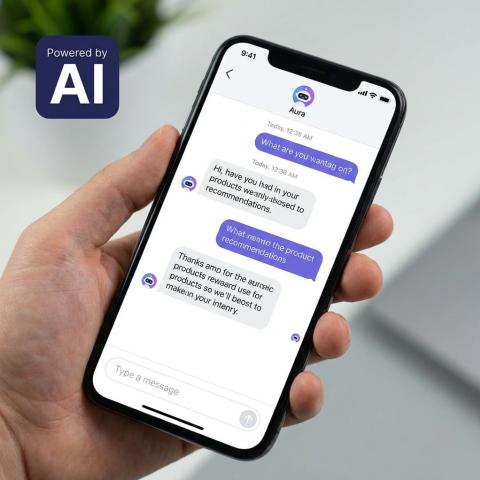
Advanced AI and machine learning tools are being integrated into mobile recharge software. These tools help retailers understand customer behavior and preferences. For instance, AI can suggest the most likely recharge plans or services based on user history, which helps increase repeat transactions and improves customer satisfaction. In 2025, AI will play a larger role in personalization and automation for digital retailers.
3. Mobile-First, Responsive Platforms
With over 80% of digital payments in India now made via smartphones, mobile-first design is more important than ever. Recharge software developers are focusing on responsive platforms that work seamlessly across all devices. Retailers using mobile-friendly portals will benefit from higher customer engagement and ease of use. This trend will continue to grow as smartphone adoption increases, especially in Tier 2 and Tier 3 cities.
4. UPI and Wallet Integration
Payment convenience is key to customer satisfaction. In 2025, UPI and mobile wallet integrations will become standard features in recharge software. Platforms that support direct payments through UPI, Paytm, PhonePe, Google Pay, and others will help retailers process faster transactions and avoid delays. Integrated wallets for agents and customers also help in managing funds more efficiently.
5. White Label and Branding Features
White-label mobile recharge software will continue to rise in demand. Entrepreneurs and small business owners want to promote services under their own brand. In response, software providers like noblewebstudio offer custom branding options where retailers can add their logo, business name, and color scheme to the portal. This builds credibility and strengthens customer loyalty.
6. API Integration for B2B Expansion
More B2B businesses are entering the recharge industry by building networks of agents and distributors. In 2025, API-based recharge integration will be a top trend, allowing retailers to offer recharge services through other apps, platforms, or third-party businesses. This creates a scalable model with greater income potential.
7. Enhanced Security and Fraud Protection
As digital transactions increase, so do the risks of cyber threats and fraudulent activities. Data security will remain a top priority in 2025. Recharge software providers are focusing on two-factor authentication, encrypted transactions, fraud detection algorithms, and secure payment gateways. Retailers must choose platforms that prioritize user safety to maintain trust and prevent financial losses.
8. Real-Time Reports and Analytics
Smart reporting tools will become even more valuable in the coming years. Real-time transaction tracking, sales summaries, and commission reports help retailers make informed business decisions. Having access to accurate performance data gives retailers an edge in managing operations and planning growth strategies.
9. Multi-Language Support
India’s linguistic diversity means customers prefer services in their native languages. Recharge platforms in 2025 will include multi-language support to serve wider audiences, especially in rural areas. Retailers offering services in regional languages will have an advantage in building local trust and increasing usage.
10. Eco-Friendly Digital Receipts
To promote sustainability, digital receipts and notifications via SMS, WhatsApp, and email will replace printed bills. Eco-friendly practices not only reduce paper waste but also appeal to modern customers who value green business models. This is an emerging trend that helps retailers stay ahead of the curve.
Why Choose noblewebstudio for Recharge Software Development?
noblewebstudio is a recognized name in mobile recharge software development, offering modern, secure, and feature-rich platforms for both B2B and B2C businesses. Here’s why they stand out in 2025:
-
Seamless support for all telecom and utility operators
-
Real-time API integrations for quick transactions
-
Multi-operator and multi-service platform functionality
-
Custom branding and white-label features
-
Secure architecture with fraud prevention tools
-
Reliable support and timely software updates
Their recharge solutions are designed to be scalable, user-friendly, and ready for future digital demands.
Final Thoughts
In 2025, staying updated with the latest mobile recharge software trends is essential for retailers aiming to grow and remain competitive. With features like AI support, multi-operator access, UPI integration, and white-label options, recharge businesses are becoming smarter and more customer-focused. By adopting these trends early and partnering with an experienced provider like noblewebstudio, retailers can ensure long-term success and stability in the growing digital economy.