 In today's evolving work environments, ensuring employee health and safety is a business priority. The ISO 45001:2018 certification provides a globally accepted framework for managing risks and enhancing Occupational Health & Safety Management Systems across all sectors.
What is ISO 45001:2018 Certification?
The ISO 45001:2018 certification is an international standard for Occupational Health & Safety Management Systems (OH&S). It outlines structured processes to prevent work-related injuries, promote worker well-being, and foster safer working environments. This standard is suitable for organizations of all sizes, aiming to proactively manage workplace risks.
Key Benefits of ISO 45001:2018 Certification
Achieving ISO 45001:2018 certification offers substantial organizational benefits:
Improved identification and control of health and safety risks.
Enhanced compliance with health and safety legislation.
Reduction in workplace incidents and insurance premiums.
Greater employee confidence and morale.
Strengthened business reputation and stakeholder trust.
By aligning with the ISO 45001:2018 OH&S Certification, businesses build a resilient framework that not only minimizes hazards but also promotes a culture of continuous improvement.
Elements of Occupational Health & Safety Management Systems
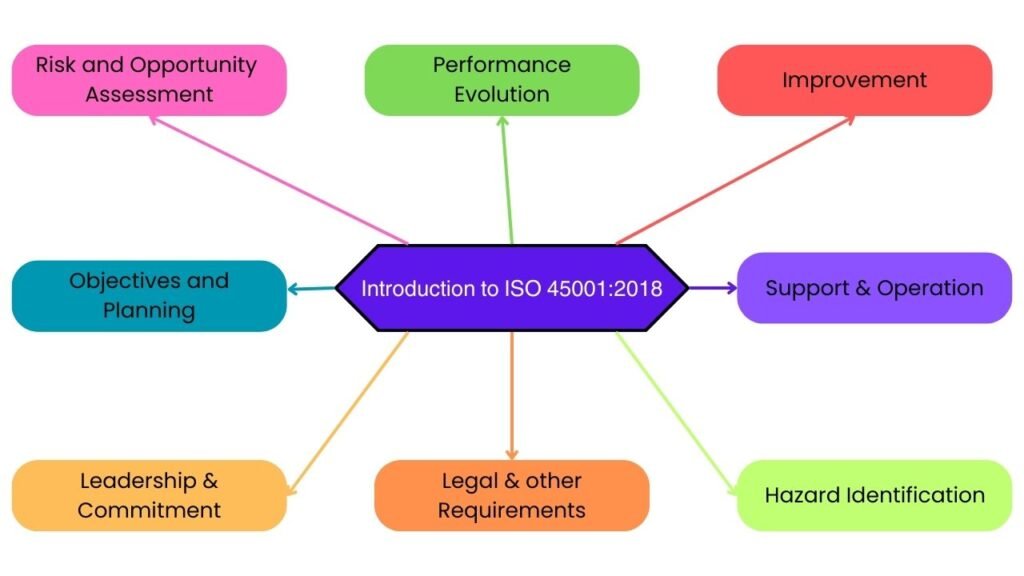
The core of the ISO 45001:2018 certification is a well-developed OH&S management system. Key elements include:
Leadership and Commitment: Engaging top management in driving safety performance.
Hazard Identification: Proactively assessing potential risks and hazards.
Training and Awareness: Equipping employees with the knowledge to work safely.
Emergency Preparedness: Establishing procedures for handling workplace incidents.
Effective Occupational Health & Safety Management Systems drive both safety and operational efficiency when tailored to organizational needs.
Steps to Achieve ISO 45001:2018 Certification
Pursuing ISO 45001:2018 certification involves:
Gap Analysis – Assessing current systems against ISO requirements.
Planning – Defining objectives and necessary controls.
Implementation – Rolling out new procedures and training programs.
Internal Audit – Verifying compliance through self-assessment.
Certification Audit – Undergoing an external audit for certification.
Following these steps helps embed a culture of safety and accountability, ensuring readiness for future regulatory and operational demands.
ISO 45001:2018 OH&S Certification – Ensuring Long-Term Safety
Organizations that obtain ISO 45001:2018 OH&S Certification benefit from more than compliance—they gain long-term value. The certification validates the organization's commitment to reducing incidents, protecting its workforce, and maintaining a safer work environment.
This strategic focus not only supports legal obligations but also enhances employee engagement and operational sustainability.
Maintaining ISO 45001:2018 Certification
Once certified, ongoing commitment is essential:
Conduct routine training and safety drills.
Perform internal audits regularly.
Update procedures based on incidents and feedback.
Review management systems annually.
Consistent effort ensures your ISO 45001:2018 certification remains active and impactful.
Conclusion
The ISO 45001:2018 certification is a powerful asset in building safe, compliant, and efficient organizations. Through effective Occupational Health & Safety Management Systems and commitment to the ISO 45001:2018 OH&S Certification, companies can safeguard their most valuable resource—their people—while enhancing trust and productivity.
FAQs
What is ISO 45001:2018?
ISO 45001:2018 is an international standard for managing workplace health and safety, helping reduce injuries and promote a safer environment.
Why is ISO 45001:2018 certification important?
It helps organizations demonstrate their commitment to employee safety, comply with regulations, and reduce operational disruptions.
Is ISO 45001:2018 replacing OHSAS 18001?
Yes, ISO 45001:2018 replaced OHSAS 18001 with a stronger focus on risk prevention, leadership involvement, and integration with other ISO standards.
Is ISO 45001:2018 certification mandatory?
No, it’s not mandatory, but it is often required by clients, industry partners, or regulatory bodies for business credibility.
Who can apply for ISO 45001:2018 certification?
Any organization, regardless of size or industry, seeking to improve workplace health and safety can pursue ISO 45001:2018 certification.
Suggested Certifications –
ISO 9001:2015
ISO 14001:2015
ISO 45001:2018
ISO 22000:2018
ISO 27001:2022
ISO 13485:2016
ISO 50001:2018
Contact us: Pacific Certifications