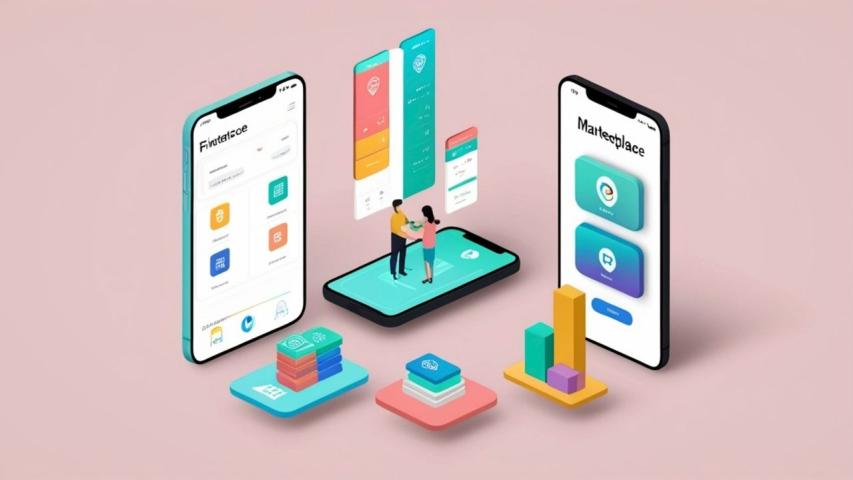
In 2025, the demand for fast, secure, and easy-to-use digital payment solutions is rising fast. Businesses looking to grow in this space are turning to trusted MOBILE RECHARGE SOFTWARE development company services to meet customer needs and stay ahead of the competition. Mobile recharge platforms are no longer just about top-ups—they now support bill payments, DTH, data packs, and commission-based services for retailers and agents. Let’s explore the latest trends shaping mobile recharge software development this year.
1. All-in-One Recharge Portals
One of the most noticeable trends in 2025 is the rise of multi-utility recharge platforms. These portals allow agents and users to recharge mobile numbers, pay utility bills, renew DTH connections, and even perform AEPS transactions—all from a single dashboard. Software developers are now building systems that integrate services like BBPS, AEPS, and money transfer in one platform. This trend boosts earnings for retailers and provides convenience for users.
2. Fast and Secure APIs
Speed and security have become top priorities in modern software systems. In 2025, high-performance APIs are a must. Companies are building fast APIs that deliver real-time recharges and transactions. SSL encryption, secure payment gateways, and token-based logins are now standard. These features help protect users and ensure smooth digital operations without lag or delays.
3. White-Label Solutions
More businesses now want to enter the digital recharge space without starting from scratch. This is why white-label mobile recharge software is trending. A white-label solution allows businesses to launch their own branded portal quickly. It comes with a ready-to-use backend and can be customized with their brand logo, color theme, and services. This trend helps entrepreneurs grow faster with lower investment.
4. Agent and Commission Management
Software developers are now focusing more on agent network management features. Mobile recharge platforms today support master distributors, distributors, and retailers under a single login system. Each user level has its own wallet, commission slab, and transaction reports. In 2025, the trend is moving toward more advanced commission dashboards where every user can view and manage their earnings in real-time.
5. Mobile-First and App-Based Platforms
More than 70% of users now access recharge services from their smartphones. To meet this growing mobile user base, developers are shifting to mobile-first design. Most top software providers now offer Android apps for agents with easy login, recharge history, wallet balance, and customer support. These apps are built lightweight, fast, and user-friendly even for low-end devices in rural areas.
6. AI-Based Transaction Monitoring
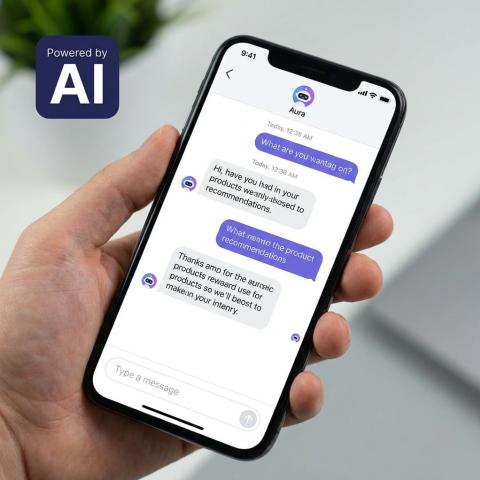
Another growing trend is the use of AI and automation in mobile recharge software. AI tools help detect suspicious activity, prevent fraud, and improve system uptime. Automated notifications, instant email/SMS alerts, and system health checks are also becoming standard features. This helps agents avoid transaction delays and ensure a smooth user experience.
7. Integration with BBPS and AEPS
Recharge software in 2025 is no longer just about mobile top-ups. More and more platforms are integrating with BBPS (Bharat Bill Payment System) and AEPS (Aadhaar Enabled Payment System). This allows agents to offer bill payments, balance inquiries, cash withdrawals, and more using a single software. This multi-service model increases earning potential and expands digital services in rural and semi-urban areas.
Conclusion
Mobile recharge businesses are evolving fast in 2025, and keeping up with the latest software trends is essential. Whether it’s offering all-in-one services, securing fast API responses, or launching branded apps, today’s platforms must meet high customer expectations. Choosing the right MOBILE RECHARGE SOFTWARE DEVELOPMENT strategy helps digital retailers, agents, and entrepreneurs grow faster and serve better. To stay competitive, businesses must adopt smart, secure, and mobile-friendly solutions that are built for the future.