
Decode, Discover, and Design with Confidence as in the evolving world of interior design and sound control, the focus is rapidly shifting towards solutions that balance aesthetics with functionality. Whether it's an open office, a retail outlet, or a modern residence, managing acoustics is no longer an afterthought—it’s a necessity. Among various solutions, Acoustic Spray applications have emerged as a revolutionary choice for designers and architects seeking seamless integration, efficient performance, and design flexibility.
This guide serves as a beginner-friendly manual to help you navigate the world of Acoustic Spray, understand its variants like Acoustic Spray Foam and Acoustic Spray Paint, and make the best decision for your space.
Why Consider Acoustic Spray in the First Place?
It’s More Than Just a Coating
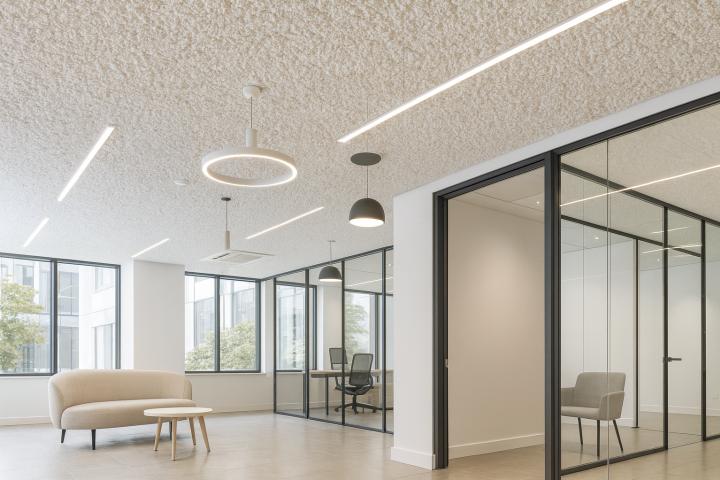
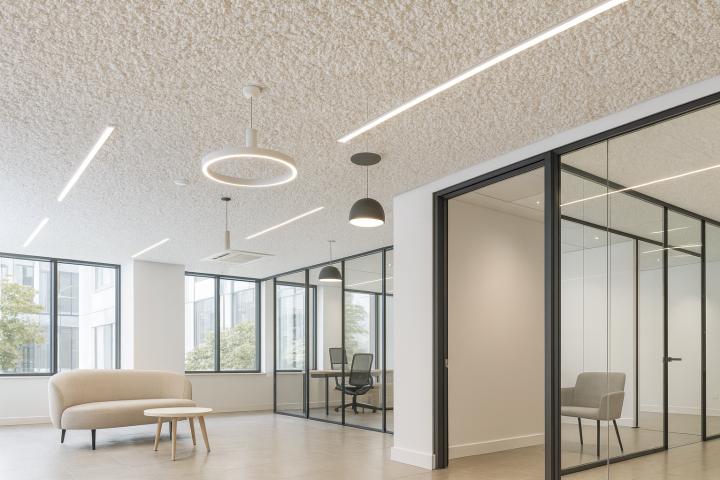
Unlike traditional panels or suspended ceilings, Acoustic Spray is directly applied to surfaces, allowing it to maintain the architectural form while offering excellent sound absorption. This makes it especially useful in spaces where design continuity and minimal intrusion are required. Whether the goal is to soften reverberation in a busy workspace or enhance sound clarity in a studio, Acoustic Spray is a flexible, cost-effective solution.
Understand the Basics Before You Buy
Spray Today, Sound Control Tomorrow
Before diving into product types, it’s important to understand how Acoustic Spray works. It involves spraying a specially formulated material onto ceilings or walls, forming a textured layer that captures and diffuses sound waves. This treatment can be applied to a range of surfaces, including concrete, wood, metal, and drywall, making it a go-to choice for both renovations and new builds.
Choosing Between the Variants: Know Your Options
Foam or Paint—Pick Your Purpose
There are primarily two types of Acoustic Spray products in the market: Acoustic Spray Foam and Acoustic Spray Paint. Each comes with unique properties suited to specific applications.
1. Acoustic Spray Foam:
This is typically a thicker, cellulose- or mineral-based spray used for areas requiring high levels of sound absorption. It's particularly effective in industrial spaces, auditoriums, gymnasiums, and multi-functional halls. Acoustic Spray Foam not only dampens sound but also offers minor thermal insulation benefits. However, its thicker application might not suit high-finish aesthetic needs.
2. Acoustic Spray Paint:
When minimal texture and appearance matter, Acoustic Spray Paint becomes a preferred choice. It is thinner than foam but engineered with acoustic properties to reduce echo and reverberation. Ideal for commercial interiors, boutique stores, or residential projects, this option allows you to maintain visual uniformity without compromising acoustic performance.
Aesthetic Edge
One of the standout benefits of Acoustic Spray solutions is their ability to blend into or highlight architectural elements. Available in multiple finishes and colors, both Acoustic Spray Foam and Acoustic Spray Paint allow designers to customize surfaces without sacrificing the space’s visual harmony.
From industrial raw finishes to sleek modern tones, these sprays can match the desired look while providing a virtually invisible acoustic upgrade.
Performance Metrics to Watch
When selecting an Acoustic Spray, pay attention to the following performance indicators:
NRC (Noise Reduction Coefficient): Indicates how much sound the material can absorb. A higher NRC value (0.7 and above) is ideal for spaces needing effective sound dampening.
Fire Resistance: Always check if the product meets fire-safety norms such as ASTM E84 or equivalent.
VOC Content: Look for low-VOC or VOC-free options, especially for enclosed or sensitive spaces.
Durability & Maintenance: Choose a product that resists cracking and dust accumulation, ensuring long-term performance with minimal upkeep.
Application Know-How
Prep, Spray, Set—It’s Simpler Than You Think
Though professional installation is recommended, understanding the basics of application can help in better planning and supervision:
Surface Preparation: Ensure the surface is clean, dry, and free of grease or loose materials.
Spraying Process: Using high-pressure spray machines, the material is evenly applied to the desired surface.
Curing Time: Depending on thickness and ambient conditions, it takes anywhere between 24 to 72 hours to fully cure.
Remember, temperature and humidity can affect application. Always consult with the manufacturer or installer for best practices.
Sustainability Factor
Eco-conscious design is no longer a trend—it’s an expectation. Thankfully, many Acoustic Spray solutions are made with recycled or renewable materials and are free from harmful chemicals. Acoustic Spray Foam, for example, often uses natural cellulose components, while Acoustic Spray Paint is available in low-emission formulas.
Opting for environmentally responsible products not only supports the planet but can also contribute to green building certifications such as LEED or WELL.
Ideal Applications: Where Do They Work Best?
From Boardrooms to Bedrooms
Acoustic Spray solutions are incredibly versatile and can be applied across a range of settings:
Workspaces: For open-plan offices, Acoustic Spray Paint adds subtle sound control without disturbing lighting or HVAC layouts.
Studios & Theatres: Acoustic Spray Foam is ideal for large spaces demanding high acoustic performance.
Educational Institutions: Spray-based treatments allow for noise reduction in classrooms without interrupting ceiling-mounted utilities.
Retail & Hospitality: Enhance customer experience by lowering ambient noise levels while retaining aesthetic appeal.
Final Take
Choosing the right Acoustic Spray isn’t just about decibels and textures—it’s about aligning your functional needs with the design intent of your space. Whether you're starting fresh or retrofitting an existing layout, understanding the distinctions between Acoustic Spray Foam and Acoustic Spray Paint can make all the difference.
In an era where both comfort and creativity matter, let Acoustic Spray be the invisible hero that elevates how your space looks, feels, and sounds. https://www.tranquilglobal.com/contact-us.html