Introduction
Imagine waking up to dashboards showing trends that drive billion-dollar decisions. Data analytics is not just a buzzword anymore. It’s an essential part of nearly every industry. From healthcare to finance, organizations rely on data to innovate, cut costs, and serve customers better.
According to the World Economic Forum, data analysts and scientists are among the fastest-growing job categories. The U.S. Bureau of Labor Statistics projects that data-related jobs will grow by over 30% in the coming decade. This surge creates a wealth of opportunities for professionals with the right skills and credentials.
If you’re exploring your career options or considering upskilling through a Google data analytics certification or an online data analytics certificate, now is the perfect time. This blog unpacks the emerging careers in data analytics, the skills you need, and how to get started.
The Evolving Landscape of Data Analytics
Data analytics has evolved beyond descriptive reports. Today’s companies leverage advanced tools to predict future trends, automate decisions, and personalize customer experiences.
Here’s how the field has transformed:
Descriptive Analytics: What happened?
Diagnostic Analytics: Why did it happen?
Predictive Analytics: What is likely to happen?
Prescriptive Analytics: What should we do next?
This evolution has paved the way for new, specialized careers that didn’t exist a decade ago.
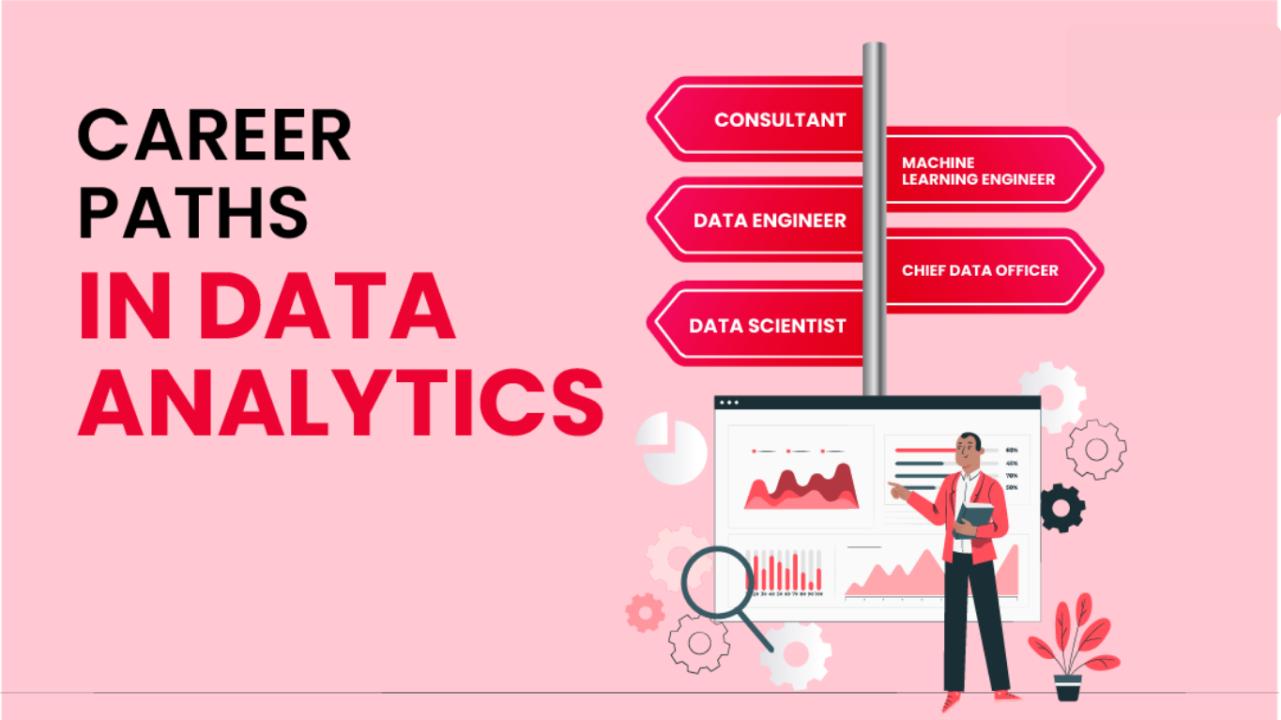
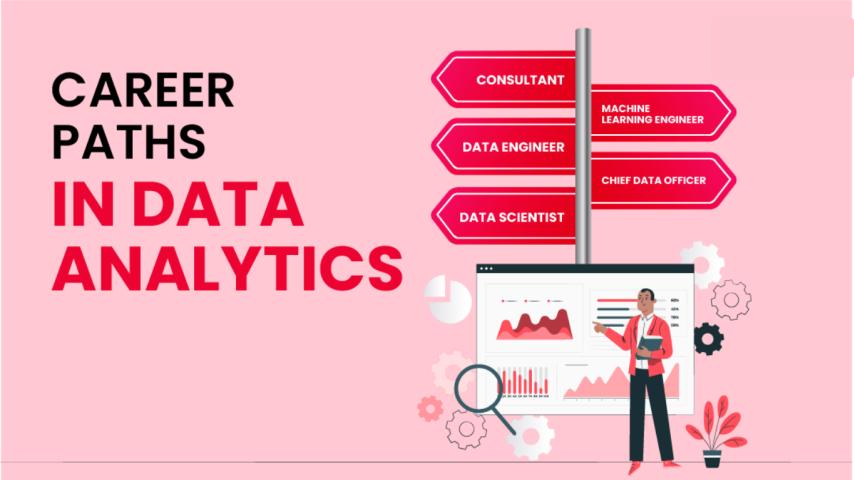
Top Emerging Careers in Data Analytics
Let’s explore some of the most promising roles, their responsibilities, and examples of how they add value.
1. Data Analyst
Role Overview:
Data analysts collect, process, and interpret data to help companies make better decisions.
Responsibilities:
Clean and prepare data for analysis
Use tools like SQL, Excel, and Tableau
Create reports and dashboards
Identify trends and patterns
Example:
A data analyst at a retail company might analyze sales data to determine which products are most popular during the holiday season.
How to Get Started:
Complete data analytics courses for beginners
Learn Excel, SQL, and basic visualization tools
2. Business Intelligence (BI) Developer
Role Overview:
BI developers design and maintain systems that deliver business insights.
Responsibilities:
Develop data models and ETL (Extract, Transform, Load) pipelines
Create interactive dashboards
Optimize data queries for performance
Example:
A BI developer at a bank might build dashboards tracking loan performance across regions.
Skill Development:
Learn Power BI or Tableau
Understand relational databases and data warehousing
3. Data Engineer
Role Overview:
Data engineers build infrastructure to collect and process large volumes of data.
Responsibilities:
Design data pipelines
Develop scalable storage solutions
Ensure data integrity and security
Example:
A data engineer at a streaming service like Netflix builds the pipeline to track viewer activity in real time.
How to Prepare:
Learn Python and SQL
Explore cloud platforms like AWS and Google Cloud
Earn a Google data analytics certification for foundational skills
4. Machine Learning Engineer
Role Overview:
Machine learning engineers develop algorithms that enable systems to learn from data.
Responsibilities:
Build predictive models
Optimize algorithms for accuracy
Deploy models into production
Example:
A machine learning engineer at an e-commerce company might develop a recommendation engine that suggests products to customers.
Getting Started:
Learn Python libraries like scikit-learn and TensorFlow
Study statistics and model evaluation techniques
5. Data Scientist
Role Overview:
Data scientists combine coding, statistics, and domain expertise to solve complex problems.
Responsibilities:
Formulate hypotheses and conduct experiments
Develop advanced models
Communicate insights to stakeholders
Example:
A data scientist at a healthcare startup might analyze patient data to predict disease outbreaks.
Skill Path:
Complete advanced data analytics courses
Gain experience with big data tools like Spark
Build a strong portfolio
6. Quantitative Analyst (Quant)
Role Overview:
Quants develop models to assess risk and guide financial investments.
Responsibilities:
Analyze financial data
Develop trading strategies
Model risk scenarios
Example:
A quant at an investment bank uses statistical models to forecast stock prices.
Preparation:
Study finance and statistics
Learn Python, R, and MATLAB
7. Marketing Analyst
Role Overview:
Marketing analysts evaluate the success of campaigns and recommend improvements.
Responsibilities:
Analyze customer behavior
Measure campaign ROI
Develop audience segments
Example:
A marketing analyst at a SaaS company assesses user data to refine ad targeting.
Getting Started:
Learn Google Analytics and CRM platforms
Understand A/B testing techniques
8. Customer Insights Analyst
Role Overview:
Customer insights analysts use data to understand customer preferences and pain points.
Responsibilities:
Conduct surveys and analyze feedback
Build customer personas
Present recommendations to product teams
Example:
A customer insights analyst at an airline identifies why customers abandon bookings mid-process.
Skill Development:
Develop survey analysis skills
Learn visualization tools to present findings
9. Healthcare Data Analyst
Role Overview:
Healthcare data analysts improve patient care and operational efficiency using data.
Responsibilities:
Analyze clinical and claims data
Identify trends in patient outcomes
Support regulatory reporting
Example:
A healthcare data analyst might identify factors linked to hospital readmissions.
Preparation:
Learn healthcare compliance regulations
Master SQL and statistical software
10. Data Privacy Analyst
Role Overview:
Data privacy analysts ensure organizations comply with data protection laws.
Responsibilities:
Audit data processes
Advise on compliance with GDPR and HIPAA
Monitor data access and usage
Example:
A data privacy analyst ensures that a retail company’s customer data handling meets legal standards.
Getting Started:
Study data privacy regulations
Earn certifications in data governance
Skills in Demand for Emerging Data Analytics Roles
Each of these careers requires a combination of technical and soft skills. Here are the most sought-after capabilities:
Technical Skills:
SQL for querying data
Python or R for analysis and modeling
Data visualization tools (Power BI, Tableau)
Big data technologies (Spark, Hadoop)
Machine learning frameworks
Soft Skills:
Problem-solving mindset
Communication skills
Business acumen
Curiosity and adaptability
Tip: Completing a Google data analytics certification or an Data Analytics certificate online provides a structured path to gain these skills.
Real-World Example: A Career Journey in Data Analytics
Consider Priya, a marketing professional who wanted to switch careers. She enrolled in a data analytics course for beginners, learned SQL and Tableau, and earned an online data analytics certificate.
Priya then landed a role as a junior data analyst. She started by cleaning marketing campaign data. Within a year, she progressed to building dashboards and eventually transitioned into a marketing analytics role.
This story illustrates how accessible data analytics can be for career changers.
Certifications That Make a Difference
Certifications can validate your expertise and set you apart. Here are popular options:
Google Data Analytics Certification:
Covers data cleaning, analysis, and visualization
Teaches tools like SQL, R, and Tableau
IBM Data Analyst Professional Certificate:
Focuses on Python, Excel, and SQL
Provides hands-on projects
Microsoft Certified: Data Analyst Associate:
Specializes in Power BI
Step-by-Step Guide: How to Launch Your Data Analytics Career
Identify Your Interests:
Decide which industry excites you most finance, healthcare, marketing, or technology.Assess Your Skills:
List your current skills and identify gaps.Choose the Right Course:
Start with data analytics courses for beginners.Earn a Certification:
Pursue an online data analytics certificate to build credibility.Build a Portfolio:
Showcase your work on GitHub or personal websites.Network and Apply:
Attend webinars and connect with industry professionals.Stay Updated:
Follow trends in tools, regulations, and best practices.
Industry Trends Driving Demand
Several trends are fueling growth in data analytics careers:
Data Democratization:
More companies are empowering non-technical teams to use data.Cloud Adoption:
Organizations are moving data infrastructure to cloud platforms like AWS and Google Cloud.AI Integration:
Predictive analytics and machine learning are becoming standard practice.Data Privacy Regulations:
Growing emphasis on compliance creates demand for data privacy analysts.
According to Gartner, over 80% of organizations will use analytics to guide business decisions by 2026. This momentum translates into new career paths and skill requirements.
Practical Tips for Success
Here are actionable tips to boost your prospects:
Start Small:
Practice with free datasets on Kaggle or Google Cloud.Master Visualization:
Clear charts and dashboards make insights actionable.Practice Storytelling:
Explain data in simple terms to stakeholders.Develop Domain Expertise:
Combining analytics skills with domain knowledge sets you apart.
Conclusion
Data analytics is reshaping the job market with exciting and rewarding careers. Whether you’re starting fresh or pivoting from another field, there has never been a better time to invest in data skills.
Explore Data analytics courses for beginners or an online data analytics certificate today. These programs will equip you to lead in one of the most dynamic fields of the decade.
Ready to unlock your potential? Start your journey with a data analytics course for beginners today and take the first step toward an in-demand career.