Modern businesses in New Zealand are moving rapidly toward digitization, automation, and seamless customer service. To compete and thrive in this fast-paced economy, having disconnected systems and manual processes is no longer viable. That’s why more companies are turning to advanced, unified platforms that manage everything—from customer relationships to backend operations—in one place.
Tailored CRM systems for enhanced customer engagement
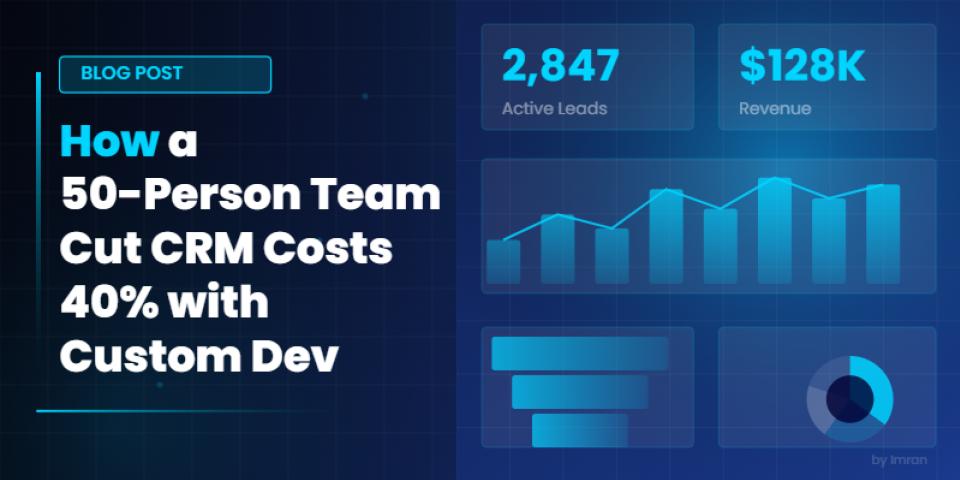
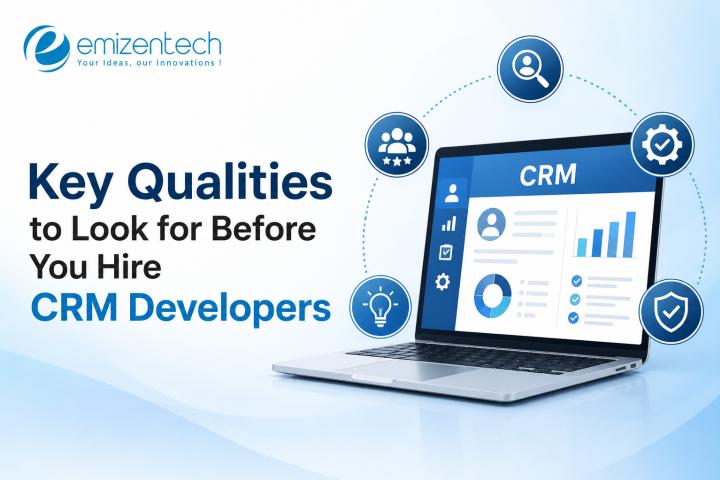
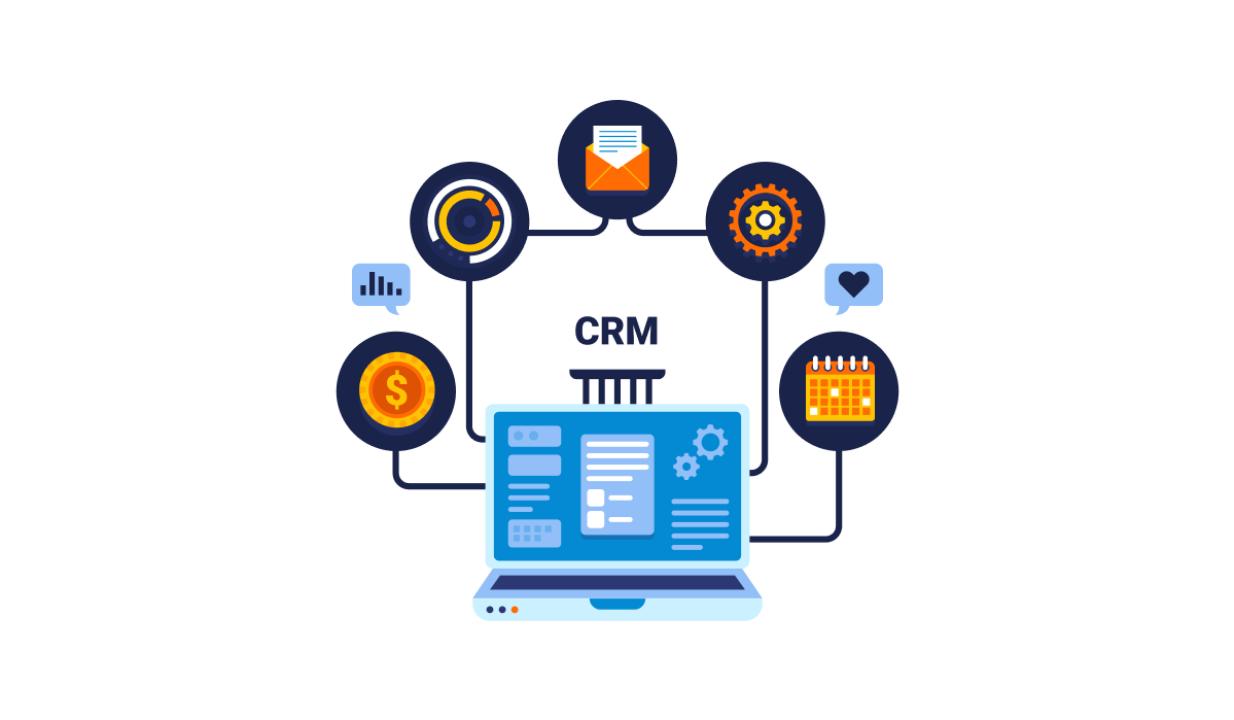
Generic CRM software often lacks the flexibility to cater to unique business models. Instead, most enterprises now prefer to develop custom CRM software that aligns with their internal workflows, sales process, and customer lifecycle management. These personalized solutions offer higher adaptability, better integration with local tools, and streamlined communication across teams.
In New Zealand's dynamic marketplace, understanding and acting on real-time customer data is essential. Custom CRM tools allow you to track every lead, automate outreach, and measure customer behavior more accurately. As a result, businesses can boost conversion rates while building long-term client loyalty.
ERP systems are reshaping internal business operations
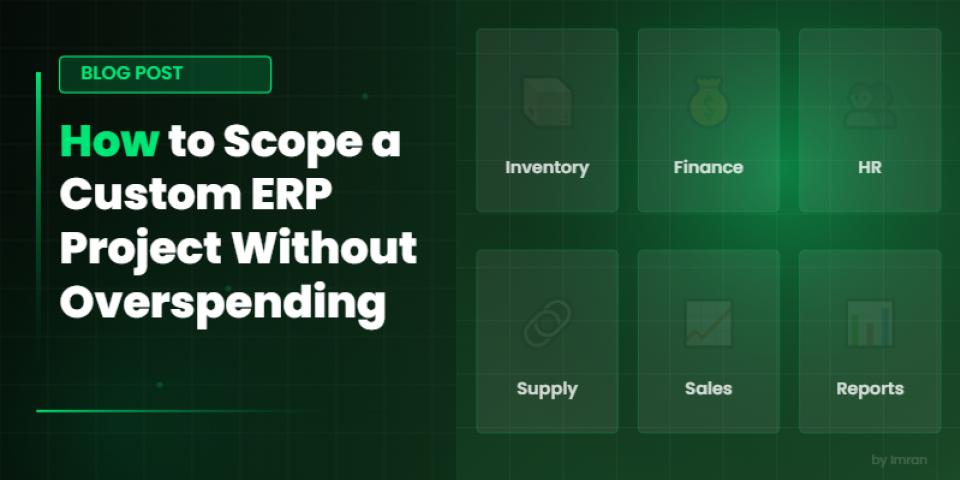
An efficient ERP system simplifies and optimizes internal business processes, ensuring departments work in harmony. From procurement and inventory to HR and finance, an ERP centralizes every function into a single interface. This eliminates redundancy, speeds up decision-making, and ensures compliance with industry standards.
The demand for scalability has also influenced system design. Businesses want flexible ERP platforms that evolve as they grow. This shift is especially important for startups and SMEs in New Zealand looking to establish strong foundations for long-term success.
Development strategies for scalable ERP solutions
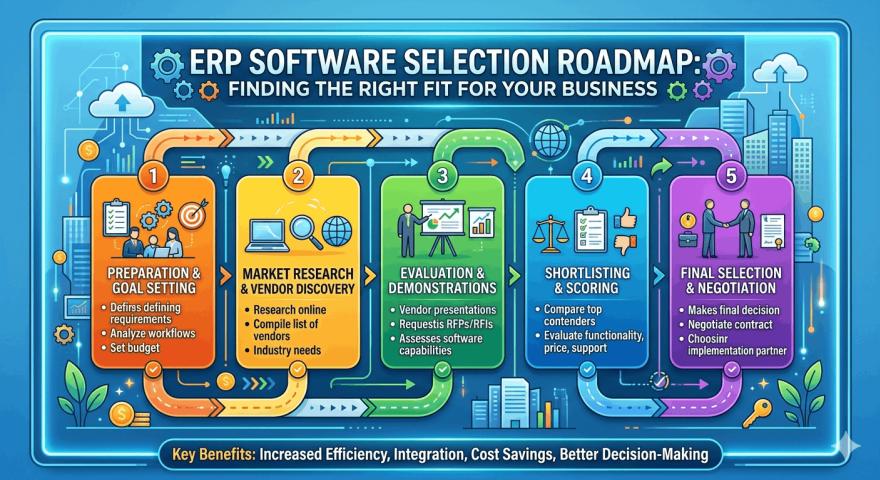
To truly benefit from ERP capabilities, New Zealand businesses are turning toward custom ERP software development. A custom solution enables them to avoid the limitations of pre-built packages and instead create a system that suits their size, budget, and operations.
Custom-built ERPs also support real-time insights with integrated analytics, helping managers anticipate bottlenecks, monitor KPIs, and make better strategic decisions. From dashboard design to module selection, everything is tailored to the company’s current and future goals—making the investment worthwhile over time.
Advantages of outsourcing software development projects
Many New Zealand companies prefer to collaborate with offshore development firms to access broader technical expertise. These firms often bring in global standards, cost-effective delivery, and a diverse skill set. Choosing the right location and partner can significantly impact quality and efficiency.
A dedicated development partner will not only code the solution but also understand your operational pain points. This collaborative process ensures that the final product reflects your true business needs, reducing the need for excessive customization or patchwork fixes later on.
Building global-ready tech with expert partners in California
One strategic move for many is partnering with a software development company in California that has a reputation for cutting-edge innovation. These companies offer robust frameworks, extensive testing protocols, and intuitive user interfaces built with the latest design principles. Despite geographical distance, seamless collaboration tools make it easy for teams in New Zealand to work with global partners and receive on-time, high-quality delivery.
Furthermore, California-based development companies are at the forefront of enterprise software trends, which can help New Zealand firms leap ahead of the competition by leveraging AI, cloud infrastructure, and real-time data capabilities.
Final thoughts
For companies in New Zealand aiming to streamline operations, enhance customer relationships, and stay future-ready, the right digital infrastructure is crucial. Custom CRM and ERP systems offer tailored solutions that scale with your business and align with evolving demands. Embracing smart development strategies today can set the stage for sustainable growth and long-term success tomorrow.