As applications become more complex and user expectations evolve, maintaining performance, security, and usability over time becomes critical. top angularjs development companies play a pivotal role in supporting long-term app maintenance. They implement robust processes, tools, and strategies to ensure that AngularJS apps remain scalable, functional, and secure.
Below, we’ll explore the various ways these companies support long-term app maintenance, including core strategies, tools, and best practices.
1. Regular Code Refactoring and Optimization
Refactoring is the practice of restructuring existing code without changing its external behavior. AngularJS development companies regularly refactor code to improve performance, scalability, and maintainability.
This process includes removing redundant code, updating outdated practices, and optimizing logic for better performance. Refactored code is easier to debug, test, and enhance, reducing the risk of technical debt over time.
Routine code refactoring ensures the application’s architecture remains clean and scalable. This helps reduce maintenance costs and improves long-term reliability.
2. Keeping Up with AngularJS Updates and Compatibility
Even though AngularJS is in Long-Term Support (LTS), updates and patches still occur for critical issues. Top AngularJS development companies ensure their projects remain compatible with any updates, security patches, or dependency changes.
They also plan migration paths if a business decides to upgrade from AngularJS to Angular or another modern framework in the future. This forward-thinking approach minimizes disruptions and ensures a smooth transition when required.
Staying updated with AngularJS changes keeps apps secure and compatible. Companies also plan for the future to simplify eventual migration.
3. Implementing Comprehensive Testing Strategies
Testing is essential for long-term stability. Reputable AngularJS development companies use automated unit tests, integration tests, and end-to-end tests to identify bugs before they reach production.
They often use tools like Jasmine, Karma, and Protractor to create test suites that validate app functionality continuously. These test cases act as safety nets during new feature additions or upgrades.
Automated testing reduces long-term errors and speeds up development cycles. It ensures consistent app behavior across updates.
4. Security Monitoring and Patch Management
Security is an ongoing concern in app maintenance. AngularJS development companies implement regular vulnerability scans, dependency audits, and monitor security advisories.
They use tools like OWASP ZAP, Snyk, and npm audit to detect and fix vulnerabilities in third-party libraries or custom code. Timely patching and secure coding practices help prevent attacks.
Proactive security checks help keep applications protected against threats. This prevents costly downtime and data breaches.
5. Performance Monitoring and Load Optimization
Top AngularJS companies employ performance monitoring tools such as New Relic, Lighthouse, and Chrome DevTools to track app behavior under load.
They monitor key metrics like load time, render time, API response rates, and memory usage. Performance bottlenecks are addressed through lazy loading, caching, and minimizing HTTP requests.
Performance optimization ensures the app remains fast and responsive. This enhances the user experience and improves retention.
6. Database and API Maintenance
Backend performance is just as crucial as frontend. AngularJS development companies work closely with backend teams to monitor API performance, database health, and server uptime.
They refactor slow queries, maintain API endpoints, and ensure consistent data handling between frontend and backend systems. Regular backups and disaster recovery plans are also maintained.
Efficient database and API maintenance improves app reliability. It ensures seamless data flow and minimizes crashes or downtime.
7. Documentation and Knowledge Transfer
To support internal teams and future developers, top companies maintain thorough documentation. This includes API references, architectural diagrams, development workflows, and change logs.
Well-documented code and processes reduce the learning curve for new developers and make it easier to debug or update components.
Comprehensive documentation supports smooth transitions and faster onboarding. It ensures long-term maintainability across teams.
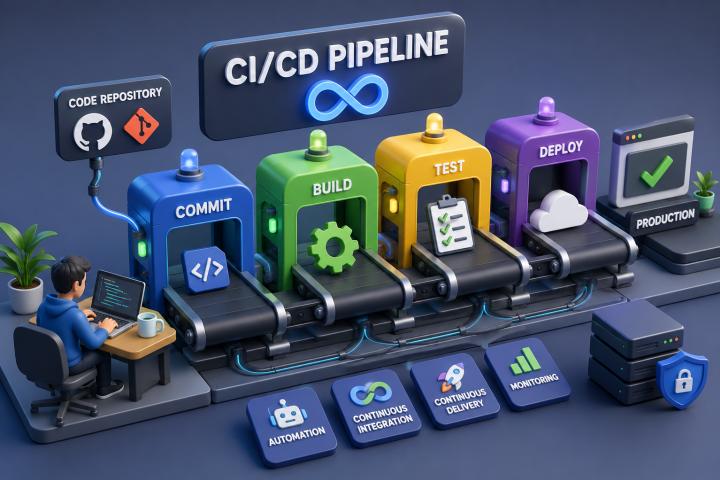
8. Continuous Integration and Deployment (CI/CD)
AngularJS development companies automate build and deployment processes using CI/CD tools like Jenkins, GitLab CI, and CircleCI.
With CI/CD pipelines, every code change is tested and deployed systematically, reducing human errors. These pipelines ensure that updates can be rolled out quickly without disrupting live environments.
CI/CD automation enables consistent and error-free deployments. This reduces downtime and accelerates feature releases.
9. Migration Strategy Planning
With AngularJS nearing the end of its life cycle, companies often advise clients to plan gradual migration to modern frameworks like Angular, React, or Vue.js.
They perform code audits to identify reusable components, build hybrid apps (AngularJS + Angular), and ensure seamless migration without disrupting business operations.
Migration planning future-proofs the application for long-term scalability. It ensures clients are ready for framework deprecation.
10. Support and Bug Fixing SLAs
Top AngularJS development companies offer long-term support packages with Service Level Agreements (SLAs). These agreements ensure prompt bug fixing, version control support, and regular health checks.
They establish clear timelines for response and resolution, ensuring accountability and peace of mind for clients.
SLAs guarantee dependable support when issues arise. They create trust and enable sustained app reliability.
11. UI/UX Updates and User Feedback Integration
AngularJS applications need to evolve with user expectations. These companies gather analytics and user feedback to improve UI/UX over time.
From improving navigation flows to optimizing mobile responsiveness, they ensure that the app remains user-centric and aligns with current design trends.
User-focused updates improve engagement and usability. This enhances user satisfaction and app longevity.
12. Dependency and Package Management
AngularJS relies on various third-party libraries and npm packages. These must be kept up-to-date to avoid deprecated functions or vulnerabilities.
Development companies monitor package updates, remove unused dependencies, and test compatibility. This ensures a leaner, safer, and more efficient application.
Clean and updated dependencies reduce risk and improve performance. It also avoids incompatibility issues down the road.
13. Logging and Real-Time Monitoring
AngularJS companies integrate logging systems like Loggly, Splunk, or ELK Stack to capture errors and monitor real-time activities.
Logs are reviewed to detect unusual behaviors, frontend exceptions, or system crashes. Early detection ensures that problems can be fixed before they impact users.
Real-time logging ensures fast issue detection and resolution. It improves user trust and app stability.
14. Scalability and Load Balancing
Applications need to grow with their users. Companies design AngularJS apps with modular architecture and backend scalability in mind.
They integrate load balancers, CDN support, and caching layers to handle increasing traffic. This ensures consistent performance even during peak usage.
Scalable architecture prepares the app for growth. It supports business expansion without system failures.
15. Ongoing Training and Developer Upskilling
To keep up with evolving technologies, companies invest in regular upskilling for their developers. This includes AngularJS best practices, testing, security, and performance optimization.
Well-trained teams are more efficient at maintaining apps and implementing long-term solutions.
Continuous training keeps development teams sharp. It enables faster resolution and better code quality.
Final Thoughts
Long-term app maintenance isn’t just about fixing bugs—it’s about future-proofing, optimizing, securing, and scaling the application to meet evolving demands. top AngularJS development companies offer structured, strategic support that ensures apps remain relevant, reliable, and robust over time.
Whether you're running a small business app or an enterprise platform, partnering with an experienced AngularJS company ensures your application gets the long-term care it deserves.
Frequently Asked Question's
Q1: Why is long-term maintenance important for AngularJS apps?
Long-term maintenance ensures the app remains secure, fast, and user-friendly while adapting to business and user changes.
Q2: Is it necessary to migrate from AngularJS to a newer framework?
While not immediately necessary, planning for migration is wise since AngularJS is in LTS mode and support will end eventually.
Q3: How do AngularJS companies monitor app performance?
They use tools like New Relic, Lighthouse, and custom dashboards to monitor performance metrics, user interactions, and system health.
Q4: What is the average cost of long-term app maintenance?
Costs vary by complexity, but top AngularJS development companies offer flexible support packages, often starting at a few hundred dollars monthly.