Modern interiors demand more than just >Fiberglass sound absorbing panels have emerged as a versatile solution, blending effective sound control with limitless design possibilities. From commercial offices to home theaters, these panels transform spaces both visually and acoustically.
The Science and Style Behind Fiberglass Sound Absorbing Panels
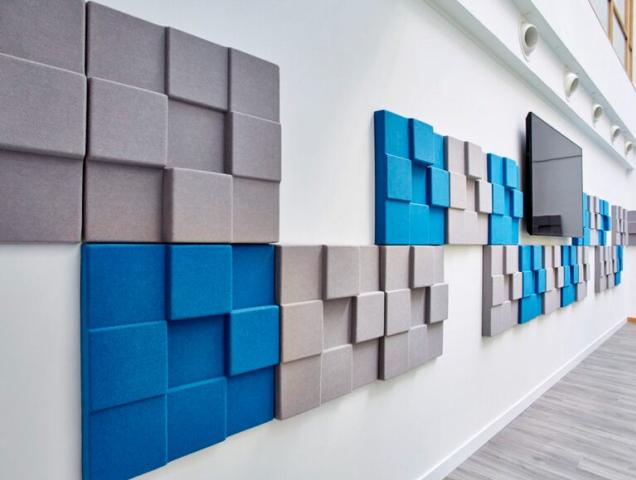
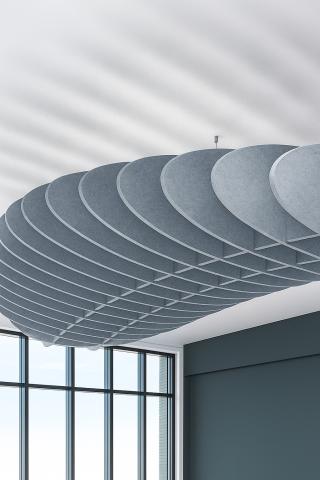
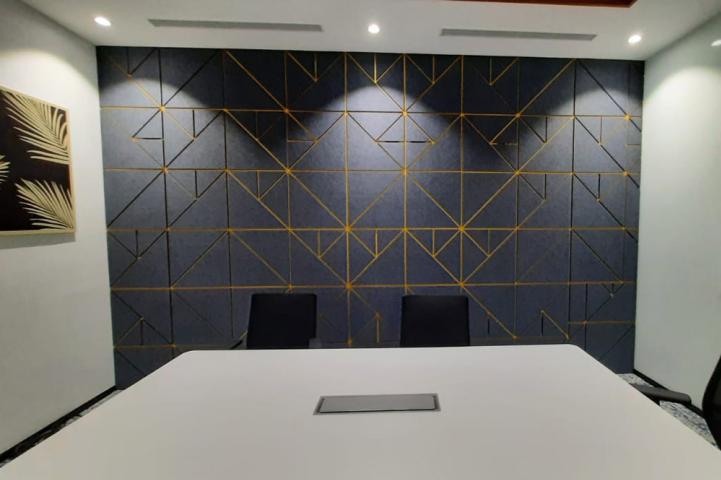
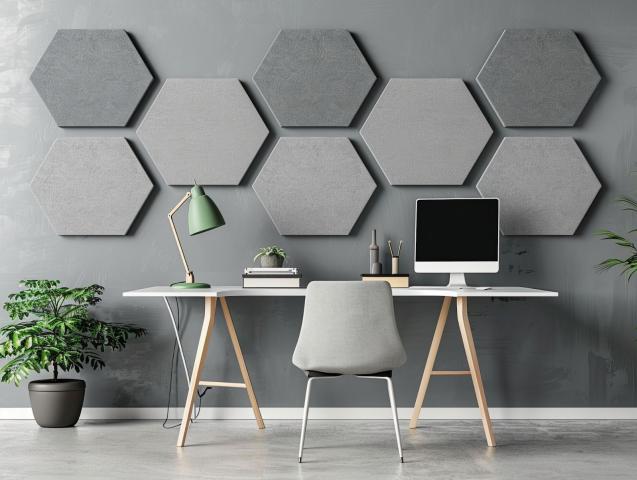
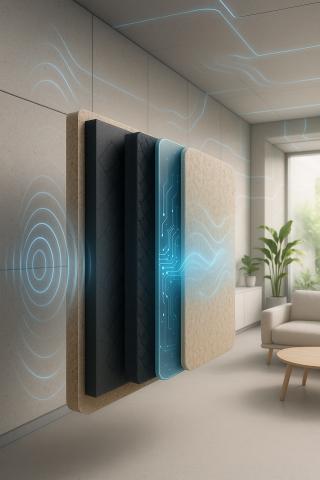
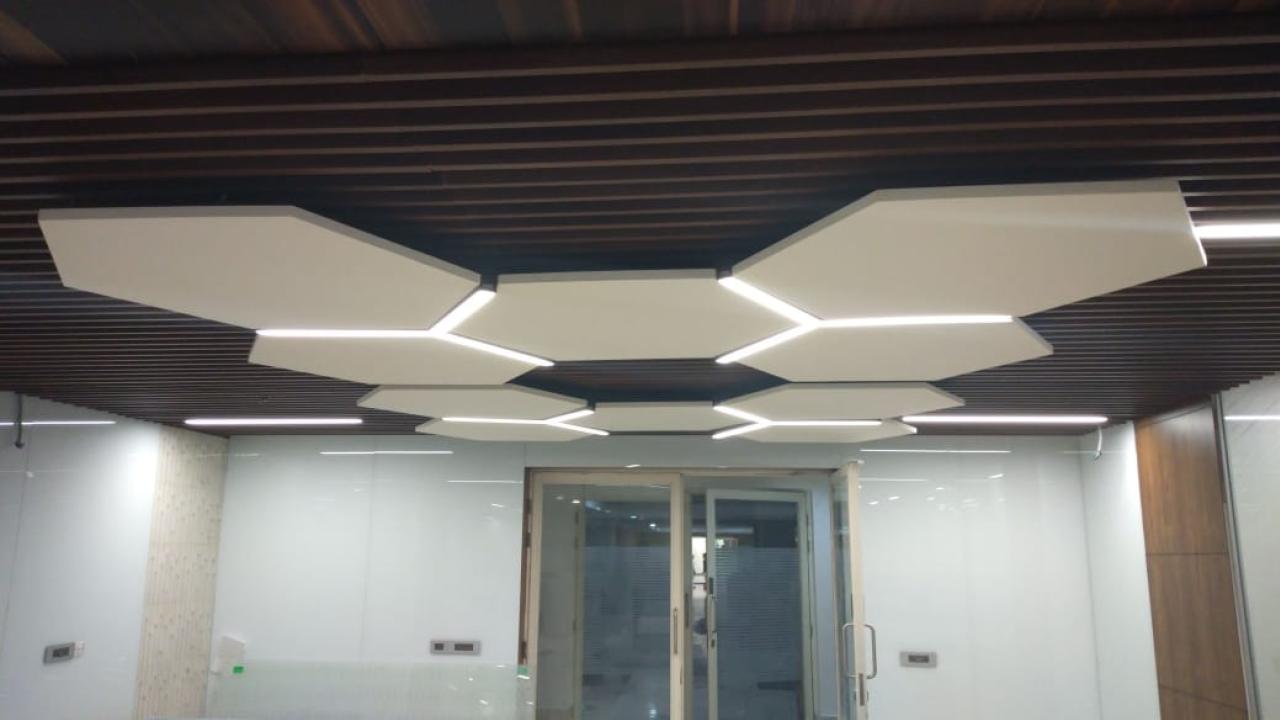
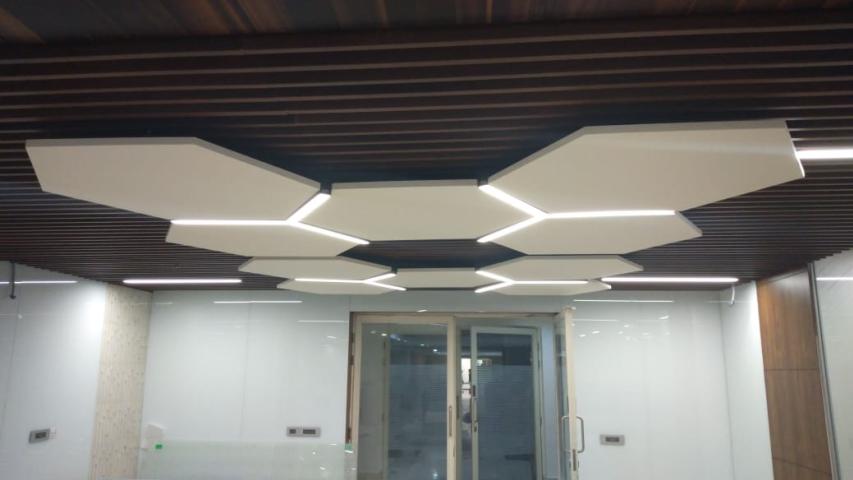
Fiberglass sound insulation works by capturing and dissipating sound waves. Its fibrous, porous structure reduces echo and improves speech clarity, creating a balanced auditory environment. Designers no longer see these panels as purely functional. Fiberglass suspended ceiling tiles now double as architectural features, available in different shapes, textures, and colors. They can define zones, create patterns, or even integrate lighting, making acoustics a design statement.
Tip: Consider combining wall-mounted panels with ceiling tiles to achieve both aesthetic appeal and optimal sound control.
Residential Applications
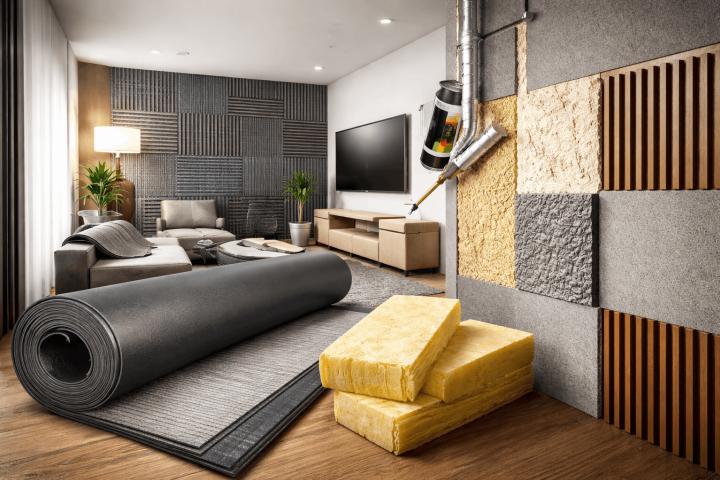
Home environments benefit from fiberglass sound absorbing panels in several ways. Living rooms, open kitchens, and home theaters often suffer from noise reflection. Installing panels can soften these spaces, creating a cozy, serene atmosphere. Fiberglass suspended ceiling tiles add texture and visual interest while controlling sound. Home studios and gaming rooms also gain improved clarity, helping conversations, music, or recordings stay crisp.
Stat: Properly installed fiberglass panels can reduce indoor noise levels by up to 60%, enhancing comfort and privacy.
Commercial Applications
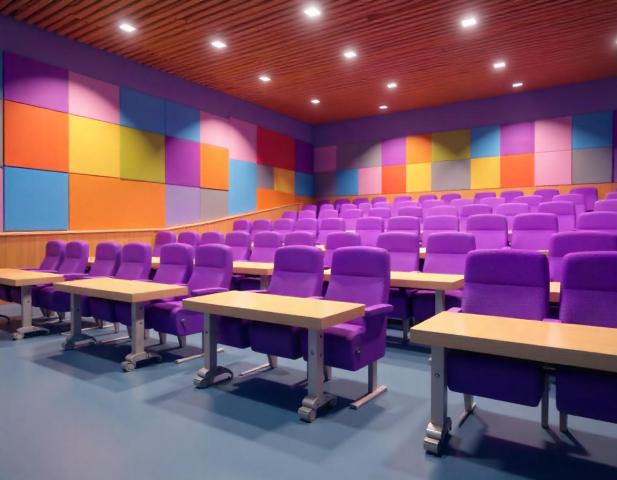
Open-plan offices, restaurants, and educational facilities often face acoustic challenges. Fiberglass sound insulation helps manage background noise, making workplaces more productive and classrooms more focused. Restaurants and cafés benefit from fiberglass sound absorbing panels by creating pleasant ambient noise without deadening energy. Similarly, hotels and auditoriums use fiberglass suspended ceiling tiles to improve speech intelligibility while adding modern design elements.
Transform your environment with the help of Tranquil Global’s expertise.
Trend: Designers are using patterned and colored ceiling tiles to combine >
Trends and Innovations
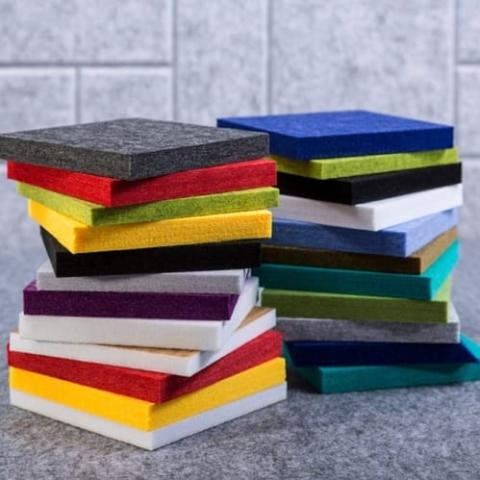
Custom Shapes and Colors: Panels are now available in geometric patterns, curves, and vibrant shades, adding creativity to acoustics.
Sustainable Options: Many fiberglass sound insulation products use recycled glass fibers, reducing environmental impact.
Hybrid Designs: Combining fiberglass suspended ceiling tiles with wood, metal, or fabric creates unique textures and depth.
Lighting Integration: Some panels can incorporate LED lighting, creating dynamic ceilings that serve both functional and decorative purposes.
Tip: Mixing ceiling tiles and wall panels can maximize both sound absorption and visual impact in any space.
Installation and Maintenance Tips
Strategic Placement: Focus on areas with high echo, such as large walls, ceilings above workstations, or behind speakers.
Proper Spacing: Leaving slight gaps between panels can enhance sound absorption.
Maintenance: Fiberglass panels are low-maintenance. Light vacuuming or dusting keeps them fresh, and individual fiberglass suspended ceiling tiles can be replaced easily without disturbing the whole installation.
Conclusion
Fiberglass sound absorbing panels are no longer just practical—they are a design tool. From homes to offices, classrooms to restaurants, fiberglass sound insulation and fiberglass suspended ceiling tiles improve acoustic comfort while offering creative possibilities. With trends in shapes, colors, and sustainable materials, these panels allow designers to merge function and aesthetics seamlessly. By incorporating them thoughtfully, spaces can become quieter, more comfortable, and visually inspiring at the same time.
Enhance every project with Tranquil Global’s trusted, high-quality solutions.