Introduction
The gaming industry has always been at the forefront of technological innovation. From 8-bit graphics to immersive virtual reality, every leap has redefined the way players experience games. Among the most groundbreaking advancements today is AI in gaming. Artificial Intelligence is not only enhancing gameplay but also revolutionizing design, player interaction, and overall industry dynamics.
In this article, we will explore how AI is shaping the gaming world, its applications, benefits, and challenges, while also looking ahead to the future of this exciting transformation.
Understanding AI in Gaming
Artificial Intelligence (AI) refers to computer systems capable of performing tasks that typically require human intelligence, such as problem-solving, learning, and decision-making. In gaming, AI allows developers to create responsive, adaptive, and intelligent behaviors in non-playable characters (NPCs), making virtual worlds more engaging and realistic.
Traditionally, NPCs followed pre-programmed patterns, offering limited interactions. But today, thanks to AI, these characters can adapt to player actions, making the experience unpredictable and lifelike.
Key Applications of AI in Gaming
1. Smarter NPC Behavior
One of the most notable uses of AI in gaming is the development of smarter NPCs. These characters no longer rely on repetitive loops but can make real-time decisions, strategize, and even learn from player actions. For example, in stealth-based games, NPC guards can adapt to changing player strategies, increasing the challenge.
2. Personalized Gaming Experiences
AI analyzes player behavior, preferences, and performance to customize experiences. This personalization can include adaptive difficulty levels, tailored missions, or recommended in-game purchases. Such dynamic adjustments keep players engaged for longer periods.
3. Procedural Content Generation
Developers use AI to generate content such as maps, levels, and quests. This ensures endless replayability while reducing development costs. Games like Minecraft and No Man’s Sky have showcased how AI can create vast, unique worlds with minimal human intervention.
4. Game Testing and Development
Testing video games is time-consuming, but AI can automate this process. AI-driven bots can simulate millions of gameplay scenarios, identifying bugs and glitches more efficiently than human testers. This accelerates release schedules and improves quality.
5. Enhanced Storytelling
AI enables branching storylines that adapt to player choices. This dynamic storytelling ensures that each playthrough feels unique. For role-playing games, this adds depth and replay value.
6. Realistic Graphics and Animation
Machine learning algorithms are helping developers generate lifelike animations, facial expressions, and physics-based interactions. This makes characters more believable and game worlds more immersive.
AI in Game Development
The role of AI in game development goes beyond enhancing gameplay. Developers now use AI-driven tools for design, animation, and sound engineering. For instance:
Level design automation: AI can generate intricate maps and environments in seconds.
Voice and sound creation: Neural networks can create realistic sound effects or even replicate human voices.
Animation improvements: AI tools help in designing natural-looking movements, reducing the workload of animators.
By leveraging AI, developers can focus more on creativity while allowing technology to handle repetitive and technical tasks.
Benefits of AI in Gaming
1. Greater Immersion
AI makes gaming worlds more responsive and believable, drawing players deeper into the experience.
2. Cost and Time Efficiency
Automated testing and procedural content generation save developers both time and resources.
3. Replay Value
Dynamic storytelling and AI-driven content ensure players keep coming back for more.
4. Accessibility
AI can adapt games to suit different skill levels, making them more inclusive for casual and competitive players alike.
Challenges of AI in Gaming
While the benefits are immense, the adoption of AI in gaming comes with its challenges:
High Development Costs: Advanced AI systems require significant investment in technology and expertise.
Ethical Concerns: Over-reliance on AI raises questions about data privacy and potential bias in adaptive systems.
Balancing Difficulty: Too much AI adaptability can make games frustrating if players feel constantly outsmarted.
Job Displacement: Automation in testing and design may reduce the demand for certain roles in the gaming industry.
Real-World Examples of AI in Gaming
F.E.A.R. (First Encounter Assault Recon): Known for its intelligent enemy AI that adapts to player tactics.
The Sims Series: AI drives character behaviors, making them feel autonomous and unpredictable.
Red Dead Redemption 2: NPCs exhibit realistic day-to-day behaviors, creating an immersive world.
Minecraft: AI-driven procedural generation creates infinite possibilities.
These examples showcase how AI is not just a behind-the-scenes tool but a core element shaping modern gameplay.
Future of AI in Gaming
The future promises even greater integration of AI into gaming:
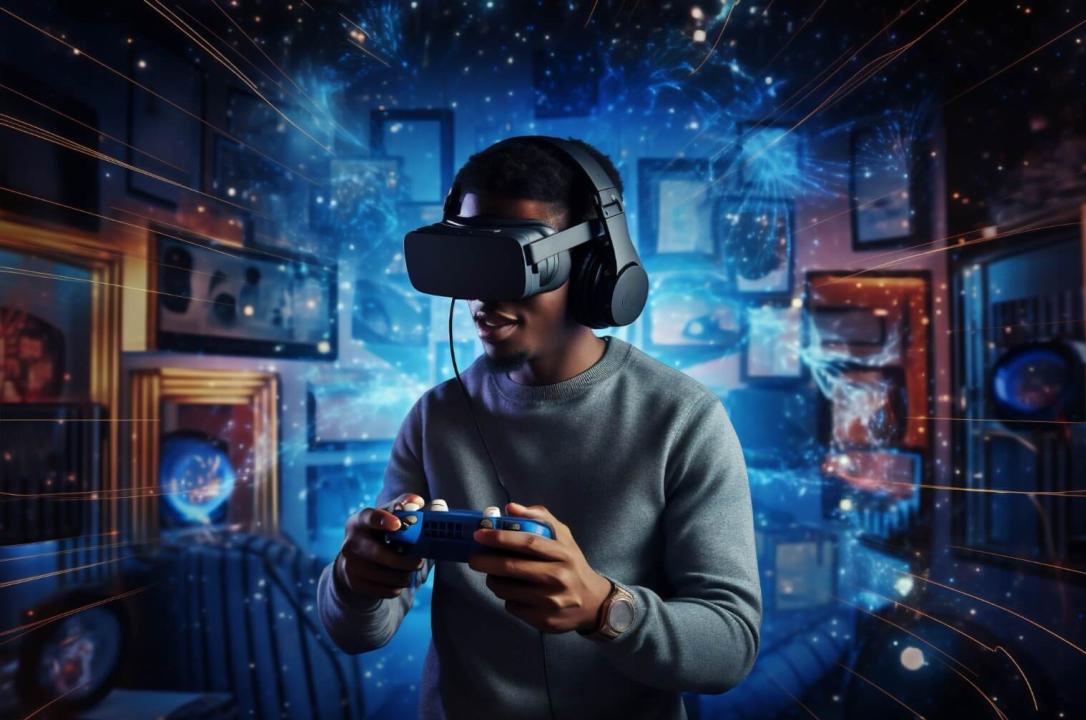
Hyper-realistic Virtual Reality: AI will drive lifelike simulations in VR environments.
Emotion Recognition: Games may soon adapt to a player’s emotional state, offering comfort or challenge based on mood.
Cross-platform Personalization: AI could synchronize preferences across devices, providing a seamless gaming journey.
AI Game Masters: In role-playing games, AI could act as a dynamic storyteller, adjusting plotlines in real time.
As technology evolves, the boundaries between reality and virtual worlds will continue to blur.
Conclusion
AI in gaming is more than just a technological upgrade—it is a revolution reshaping how players interact with digital worlds. From smarter NPCs to adaptive storytelling and streamlined development processes, AI is pushing the industry toward new heights.
While challenges like high costs and ethical concerns remain, the opportunities far outweigh the obstacles. The fusion of creativity and technology ensures that the future of gaming will be more immersive, personalized, and innovative than ever before.