
Healthcare is changing fast, and healthcare eCommerce is at the center of this transformation. Gone are the days when patients had to wait in long queues at pharmacies or travel miles for medical consultations. Today, online platforms allow patients to manage prescriptions, buy medical equipment, and even consult doctors from home.
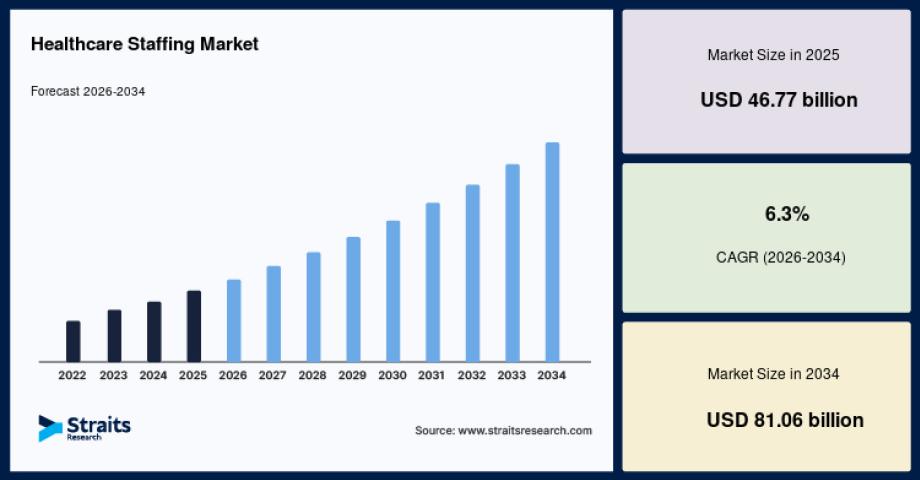
The growth of digital health has been rapid. Global healthcare eCommerce sales have been rising steadily, and the trend is expected to accelerate in 2025 and beyond. For businesses, this is a golden opportunity to tap into a growing market. For patients, it means faster access to essential health products and services.
In this blog, we’ll explore the top trends shaping healthcare eCommerce in 2025, the types of businesses thriving in this space, challenges, benefits, and best examples to inspire your own journey.
What is Healthcare eCommerce?
Healthcare eCommerce is the buying and selling of medical products and services online. It is more than just selling medications; it integrates an entire healthcare ecosystem, including prescription management, telemedicine, medical equipment, and wellness products.
It allows patients to access care, medications, and health information from a single platform. Here’s a breakdown:
Online Pharmacies
Online pharmacies let patients order prescription medicines safely and have them delivered to their doorstep. They handle prescription verification, insurance processing, and secure shipping to ensure patient safety.
Medical Equipment Stores
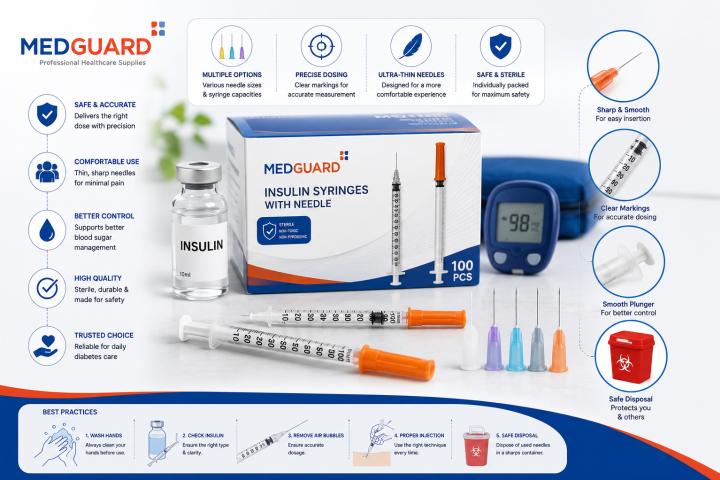
From blood pressure monitors to wheelchairs and hospital beds, medical equipment stores provide essential tools for home and professional use. They manage logistics, insurance, and even product education.
Wellness Products
Vitamins, supplements, and personal care items fall under this category. These direct-to-consumer (D2C) healthcare platforms focus on general wellness and preventive health.
Digital Health Services
Digital health services include telemedicine consultations, online diagnostics, and appointment scheduling. These platforms create a seamless ecosystem connecting care with product acquisition.
Why Healthcare eCommerce is Growing
The demand for healthcare eCommerce is rising due to several factors:
Telemedicine Adoption – Patients increasingly prefer virtual consultations for convenience.
Consumer Expectation – Just like retail, patients expect fast, reliable, and convenient online services.
Technology Advancements – AI, wearables, and integrated health apps make healthcare online more efficient.
COVID-19 Impact – The pandemic accelerated online adoption, including online pharmacies and telehealth.
Telemedicine Boost
Virtual consultations have become mainstream, allowing patients to receive care without leaving home.
Direct-to-Consumer Healthcare (D2C)
Brands are selling directly to consumers, bypassing intermediaries. This gives patients better prices, faster delivery, and personalized experiences.
AI and Digital Health Platforms
AI predicts patient needs, manages refills, and personalizes product recommendations. Integrated digital health platforms ensure patients’ data, prescriptions, and wellness routines are all managed seamlessly.
Top Trends in Healthcare eCommerce in 2025
Healthcare eCommerce is evolving rapidly. Here are the top trends you should know:
1. Direct-to-Consumer (D2C) Healthcare
Patients now expect brands to deliver medicines, supplements, and wellness products directly to their doorstep. D2C healthcare platforms create a personalized experience while cutting out traditional middlemen.
2. Telemedicine and Remote Consultations
Virtual doctor visits are now a primary way to access healthcare. Many platforms integrate telemedicine with online pharmacies, creating a “click-to-script” system for convenient home delivery.
3. AI, Personalization, and Predictive Analytics
AI helps predict patient needs based on purchase history and health data. For example, it can suggest refills for prescriptions or recommend vitamins and supplements tailored to a user’s health profile.
4. Omnichannel and Headless Commerce
Patients expect a seamless experience across apps, websites, and kiosks. Headless commerce allows healthcare brands to manage multiple channels without rebuilding platforms.
5. Security and Compliance
Patient trust is crucial. Platforms must comply with HIPAA, encrypt data, and follow safety regulations for prescriptions, payments, and patient information.
6. Subscription-Based Healthcare Services
Subscription models are growing in popularity for medications, supplements, and wellness products. Patients receive timely refills without repeated orders.
7. Integration of Digital Health Tools
Wearables, symptom checkers, and diagnostic apps are integrated with eCommerce platforms, giving patients a complete health overview.
8. Mobile-First Experience
Most patients use smartphones. Mobile-responsive platforms ensure seamless navigation, ordering, and telemedicine consultations.
9. Patient Education and Engagement
Content, guides, and online support help patients make informed decisions about their health. Platforms offering educational resources build trust and loyalty.
Types of Healthcare eCommerce Businesses
Online Pharmacies
Handle prescriptions, insurance, and home delivery. Examples: 1MG, Practo.
Medical Equipment Stores
Sell durable medical equipment to both individuals and institutions.
Telemedicine Platforms
Connect patients with clinicians online and often integrate prescription fulfillment.
Health & Wellness Stores
Offer OTC products like vitamins, fitness equipment, and supplements.
Health Insurance Marketplaces
Allow patients to compare, select, and buy insurance plans online.
Benefits of Healthcare eCommerce
Convenience for Patients – access care and products from home.
Faster Service – instant consultations, online prescriptions, and home delivery.
Patient-Centric Experience – personalized recommendations and reminders.
Business Growth – expanded market reach and revenue potential.
Technology Integration – seamless use of wearables, apps, and AI.
Challenges in Healthcare eCommerce
Regulatory Compliance – HIPAA, FDA rules, and local laws.
Data Security – protecting sensitive patient information.
Logistics – ensuring timely and safe delivery of medications and equipment.
Patient Trust – building credibility and reliability online.
Prescription Management – verifying prescriptions safely.
Best Examples of Healthcare eCommerce Platforms
Practo
All-in-one healthcare ecosystem: online consultations, pharmacy, and diagnostics.
Tata 1MG
India’s trusted digital health platform offering pharmacy services and diagnostic support.
Hubble
D2C vision care brand with online eye exams and contact lens delivery.
iHerb
Global wellness marketplace offering vitamins, supplements, and natural products.
Huel & Gymshark
Fitness and nutrition brands are selling directly to consumers with strong digital engagement.
Future of Healthcare eCommerce
AI and machine learning will further personalize healthcare.
Integration with IoT and wearable devices will provide real-time patient insights.
Blockchain may enhance security and patient data integrity.
Telemedicine and D2C healthcare will expand globally, making healthcare accessible everywhere.
Conclusion
Healthcare eCommerce is transforming the industry. From online pharmacies to telemedicine, AI-powered personalization, and subscription models, the trends of 2025 show a patient-focused future.
For businesses, investing in digital health platforms can increase efficiency, reach, and customer satisfaction. For patients, it means safer, faster, and more convenient access to care and wellness products.
Whether you are starting a new healthcare eCommerce platform or improving an existing one, understanding these trends is key to success.