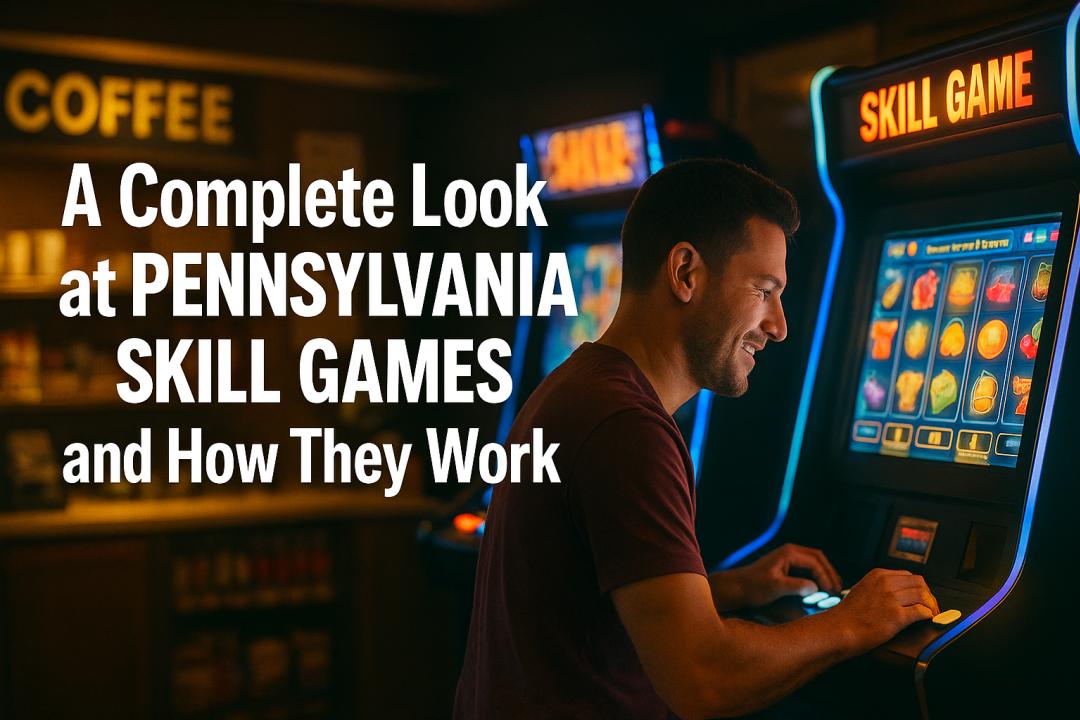
Skill games have become one of the most talked-about topics in Pennsylvania. Walk into a gas station, a bar, or a local club, and you’ll probably spot a few machines flashing bright lights and showing exciting graphics. These machines are called Pennsylvania skill games, and they’re different from regular slot machines you’d see at casinos.
So, what makes them special? Why are they legal outside casinos? And how do they work? Let’s take a closer look at everything you should know about skill games in Pennsylvania - from their design to their legality, business use, and what the future might bring.
What Are Skill Games in Pennsylvania
A skill game is a machine where your ability influences the result. Unlike slot machines that rely on pure luck, skill games give players a chance to use memory, observation, or decision-making to win.
The Pennsylvania skill game machines look a lot like slots, but there’s one twist - a short skill round. You might need to pick a symbol, solve a mini puzzle, or identify a winning pattern. If you get it right, your chances of winning rise. It’s not all luck, but it’s not a guaranteed win either.
These machines are often found in convenience stores, taverns, and social clubs. Players enjoy them because they feel more involved. Operators like them because they attract steady foot traffic and generate extra income.
Why Skill Games Emerged in Pennsylvania
A few years back, smaller stores wanted new ways to attract customers and boost revenue. Casinos had slot machines, but stores didn’t have many entertainment options. Skill games in Pennsylvania filled that gap.
At the same time, the legal system made an interesting discovery. Courts found that some machines weren’t pure games of chance. They required predominant skill to win. Because of that, these machines didn’t fall under the same laws as casino slots. That’s how Pennsylvania skill games began spreading.
It’s fair to say this became a win-win situation. Players got more entertainment choices, and store owners gained a new income source. The buzz grew fast - you could hear people saying things like, “I hit the bonus!” or “These games actually need focus!”
How Pennsylvania Skill Game Machines Work
When you walk up to a skill game machine, you’ll see a touchscreen, flashing reels, and familiar symbols. You insert money, pick your bet, and spin. At first, it feels just like a slot machine. But then comes the skill round.
For example, you might see a screen that asks you to tap the winning pattern. Sometimes it’s a memory test, and other times it’s a short reaction challenge. The more accurate you are, the higher your payout can be.
Many machines even have a “preview” option, showing if the next round could be a win. It gives players a bit more control, which is a big reason people prefer skill games over chance-based slots.
Common Features in These Machines
- Interactive bonus rounds that depend on the player’s action
- Prize viewer tools that preview potential wins
- Multi-theme software with choices like adventure, treasure, or fantasy games
- Cash redemption options for easy payouts
These machines are built with both entertainment and fair play in mind. While luck still plays a part, skill decides whether you walk away with a win.
Key Differences Between Skill Games and Slot Machines
Feature | Skill Game | Slot Machine |
Outcome Control | Depends partly on player skill | Based entirely on random chance |
Regulation | Not under casino gaming law | Strictly regulated under the Gaming Act |
Placement | Found in convenience stores, clubs | Found only in licensed casinos |
Payout | Based on skill accuracy | Based on random number generator |
Taxation | Currently untaxed (debated) | Heavily taxed by the state |
This difference is what keeps the Pennsylvania skill gaming industry unique. Players often say, “At least I have a shot with skill games,” compared to the randomness of slots.
Still, not every machine claiming to be a skill game truly is. Only those where skill meaningfully affects the outcome meet the definition.
Business Model and Revenue Chain
The Pennsylvania skill gaming industry runs through several layers:
- Manufacturers – design and build the game software and machines.
- Operators – supply, install, and service the machines for local stores.
- Retailers – host the machines, collect part of the revenue, and provide player access.
Each group earns a share of the profit. Typically, the store and the operator split the income after payouts. Because maintenance is light and playtime is high, stores see skill games as reliable side income.
Retailers say things like, “It keeps customers coming back,” or “People grab a coffee and stay longer.” It’s simple more engagement means more business.
Benefits and Risks for Players and Businesses
Benefits for Businesses
- Steady revenue stream without heavy investment
- Increased customer visits
- Flexible setup that fits in small spaces
- Machines that work without full-time staff supervision
Benefits for Players
- Interactive experience instead of pure chance
- Sense of control and fairness
- Exciting mini-games that reward focus and timing
Risks and Concerns
- Unclear regulation can cause issues if laws change
- Some players may overspend chasing wins
- Machines may vary in fairness depending on the operator
A few people worry these games could blur lines with gambling. Others believe they’re entertainment - just like arcade or puzzle games. Both sides have points, and regulation will likely settle the matter.
How Businesses Can Operate Skill Games Responsibly
Operating Pennsylvania skill game machines responsibly matters for every store owner. Here’s what a smart operator should do:
- Keep machines from certified manufacturers
- Make sure payout ratios are transparent
- Place machines only in age-restricted areas
- Train staff on how the machines work
- Stay updated on court rulings and local laws
Many businesses team up with trusted suppliers like RedPlum Games that provide quality machines, real-time tracking tools, and proper support. When operations are transparent, both players and owners benefit.
The Role of Skill in Winning
Let’s be honest - skill doesn’t make you win every time, but it does influence outcomes. Games often include pattern recognition, decision timing, or small memory tasks.
Players who pay attention, react faster, or make smart symbol choices tend to do better. That’s why some people say, “You can actually get good at it.”
Still, the return-to-player (RTP) rate usually stays around 85% to 90%. That means skill matters, but the house still has an edge. It’s about balance - enough skill to make it fun, but not so much that everyone wins too easily.
Future Outlook for Pennsylvania Skill Games
The future looks interesting for the Pennsylvania skill gaming industry. Lawmakers are debating new bills that might:
- License all machines statewide
- Add a modest tax on revenues
- Limit the number of machines per location
If those bills pass, it could create a structured market similar to casinos, but for smaller venues. That might also open doors for better player protection and transparent payouts.
On the tech side, manufacturers are working on new software themes, AI-driven scoring, and advanced tracking tools. Companies like RedPlum Games are also adding remote management systems and secure ticket validation apps. These upgrades make skill games safer and more profitable.
Economic Impact on Local Communities
Skill games support small stores, gas stations, bars, and social clubs across Pennsylvania. The revenue helps cover rent, pay employees, and keep local businesses alive.
Operators often report that people come in for a drink, play a few rounds, and end up buying other items too. That extra foot traffic adds up. Some towns even see skill games as a mini-boost for their local economies.
There’s a social side as well. Players chat, cheer, and sometimes compete for high scores. It’s not only about the money it’s about interaction and entertainment.
Common Myths About Pennsylvania Skill Games
Myth 1: They’re Just Hidden Slot Machines
Not true. While they look similar, slot machines rely on random numbers. Skill games use a logic round that lets you influence the result.
Myth 2: They’re Illegal
Courts have confirmed that skill-based machines are legal under current law. The issue is about future regulation, not current legality.
Myth 3: You Can Always Win with Skill
Skill helps, but it doesn’t promise a win. The design limits how much advantage a player can gain.
Myth 4: They’re Rigged
Machines from certified companies are tested for fairness. It’s the unlicensed copies that give the industry a bad name.
5 Tips for Players Who Want to Try Skill Games
- Start small. Test your strategy with small bets.
- Learn the game. Each machine has its own skill challenge.
- Stay calm. Don’t rush your choices during bonus rounds.
- Set limits. Know when to stop - it’s about fun, not stress.
- Play only on verified machines. Look for secure ticket validators.
Winning feels great, but playing smart matters more. If you enjoy the experience, that’s already a win.
What This Means for Store Owners and Operators
For any local business, skill games in Pennsylvania can be a great addition. They attract players, keep customers engaged, and generate consistent revenue.
Before getting started, it’s wise to:
- Choose certified machines
- Understand your local zoning laws
- Partner with a reliable distributor
- Track revenue transparently
Many store owners say that adding skill games feels like adding “a new heartbeat” to their business. It’s steady, social, and smart.
Future Trends and Market Predictions
Experts predict that the Pennsylvania skill gaming industry will continue to grow over the next few years. With better rules and fair taxation, it could reach hundreds of millions in yearly revenue.
We might also see new formats like multiplayer skill tournaments or mobile-linked play, where users track scores across machines. That’s exciting news for both players and businesses.
As the industry matures, quality and compliance will separate serious operators from short-term ones. Those who use trusted technology, reliable software, and transparent data will stand out.
Conclusion
Skill games in Pennsylvania mix fun, challenge, and a shot at some winnings all in one. They’ve changed how people think about gaming outside casinos and helped small businesses make a bit more money on the side.
The laws around them might change someday, but one thing stays true players enjoy having some control over the game, and store owners like the steady income they bring in.
As long as folks run them responsibly, follow the rules, and use good machines, these games will keep playing a big part in Pennsylvania’s gaming scene.
If you’re looking for reliable skill game machines or want to set up a strong system for your store, check out RedPlum Games. Their machines are built for performance, stability, and long-term success for local operators. Visit redplumgames.com to learn more.