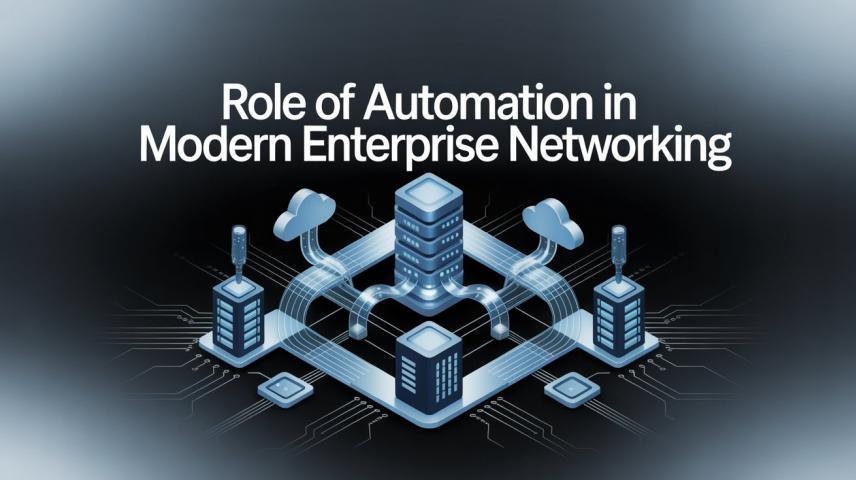
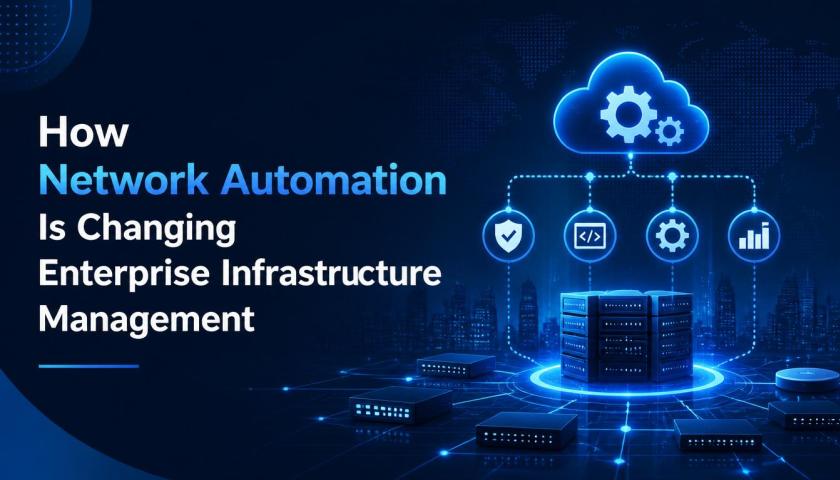
As data centers evolve into highly virtualized, cloud-integrated, and software-driven environments, automation skills are becoming essential for networking professionals. Many learners preparing for Cisco’s advanced certifications begin with CCNP Data Center Training fundamentals, often through a structured CCNP Data Center Course that emphasizes modern automation practices. By 2025, data center roles will increasingly require proficiency in programmability, orchestration, and policy-driven workflows.
Below is a breakdown of the automation skills every CCNP
candidate should master to stay competitive in the changing technological
landscape.
Why Automation Matters for Data Center Engineers
Traditional manual configurations are no longer sustainable
in large-scale environments. Organizations need agility, visibility, and
consistency across distributed systems. Automation enables:
- Faster
deployment
- Reduced
human error
- Scalable
operations
- Consistent
policy enforcement
- Better
integration with cloud and virtual platforms
As automation becomes foundational, CCNP candidates must
demonstrate the ability to work efficiently within automated data center
ecosystems.
1. Python Programming Essentials
Python has become the primary programming language for
network automation. Even basic scripting knowledge helps engineers streamline
tasks such as:
- Device
onboarding
- Configuration
generation
- Data
extraction from APIs
- Log
collection and analysis
- Automated
testing
Key Python skills for CCNP learners include:
- Variables,
loops, and functions
- Working
with JSON and YAML data
- Handling
REST API calls
- Using
libraries like Requests and Netmiko
While deep programming expertise isn’t required,
understanding how Python integrates with Cisco’s programmability tools is
crucial.
2. Ansible for Configuration Automation
Ansible remains one of the most widely used automation tools
in enterprise data centers due to its agentless design and simple YAML-based
playbooks.
CCNP candidates should be comfortable with:
- Writing
basic playbooks
- Working
with inventory files
- Using
roles and templates
- Automating
repetitive configurations
- Integrating
Ansible with Cisco NX-OS and ACI
Ansible is particularly useful for multi-device
orchestration, making it a valuable skill for day-to-day operations.
3. Model-Driven Programmability (NETCONF, RESTCONF &
YANG)
Modern Cisco platforms support API-driven configurations
using structured data models. Understanding these technologies helps automate
deployments at scale.
Key Concepts Include:
- YANG
data models for describing device configuration
- NETCONF
for stateful, structured communication
- RESTCONF for REST->
CCNP learners must be able to interpret model-based outputs
and modify configurations programmatically.
4. Cisco ACI Automation Techniques
Cisco ACI is central to data center automation. Candidates
must understand how ACI supports intent-based networking and integrates with
automation frameworks.
Important automation topics include:
- Using
ACI REST APIs
- Automating
tenant creation, contracts, and EPGs
- Deploying
ACI policies with Ansible modules
- Understanding
ACI object models
Automation is a core element of the ACI ecosystem, making
these skills vital for data center engineers.
5. Git & Version Control Basics
Git is widely used in automation workflows to track code
revisions and collaborate on network configuration templates.
Essential Git Skills:
- Committing
and pushing changes
- Creating
branches
- Managing
repositories
- Reviewing
change history
Version control helps teams maintain configuration
consistency and auditability.
6. JSON, YAML & Data Structuring
Most automation tools rely on structured files for
configuration. Understanding these data formats helps CCNP engineers interpret
outputs and write scripts more effectively.
- JSON:
Common for API responses
- YAML:
Used heavily in Ansible playbooks
Being able to read, write, and manipulate structured data is
a key automation competency.
7. API Fundamentals
APIs are central to modern data center operations, enabling
communication between orchestration platforms, monitoring tools, and network
devices.
CCNP learners should understand:
- REST
API methods (GET, POST, PUT, DELETE)
- Authentication
types
- Parsing
API responses
- Using
Postman or Python scripts to test endpoints
API-driven operations are increasingly replacing manual CLI
tasks.
8. Infrastructure as Code (IaC) Concepts
IaC allows infrastructure to be defined and deployed using
code, bringing consistency and automation to data center provisioning. While
more advanced, CCNP learners should be aware of:
- Declarative
vs. imperative automation
- Policy-based
configuration
- Orchestration
workflows
IaC is becoming a standard across enterprise networks.
Conclusion
Automation has become a fundamental requirement for the
modern data center engineer. By mastering Python, Ansible, APIs, ACI
automation, and model-driven programmability, CCNP candidates can build the
skills needed to succeed in a rapidly evolving technology landscape. Structured
learning through a CCNP Data Center Course ensures professionals stay
aligned with industry expectations and gain the hands-on experience required
for the broader CCNP Data Center certification path.