Bangalore,
India’s tech capital, has become one of the most preferred destinations for
advanced networking and cloud certifications. With its thriving IT ecosystem,
world-class training centers, and access to skilled professionals, the city
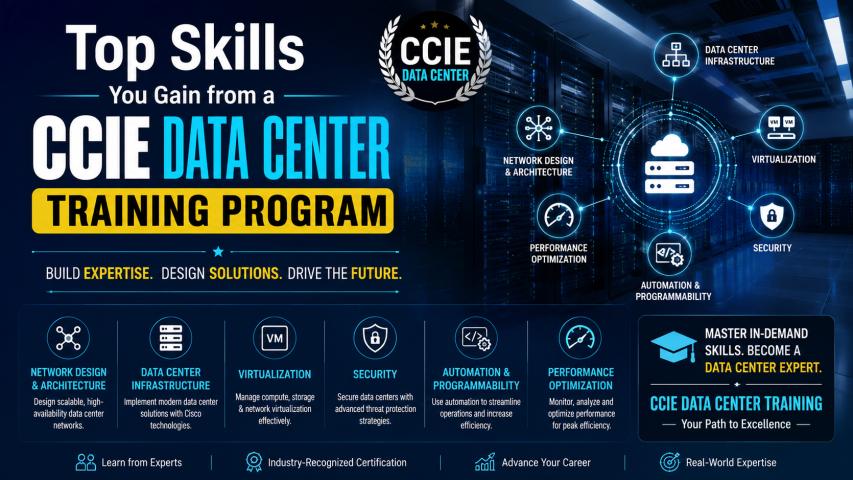
offers an ideal environment for aspirants preparing for CCIE Data Center Bangalore certification. As organizations rapidly adopt automation, hybrid
cloud, and scalable data center architectures, the demand for CCIE Data Center
experts in Bangalore continues to grow.
This blog
explains what learners can expect during their CCIE Data Center training
journey in Bangalore—from the curriculum structure to hands-on labs and exam
preparation strategies.
1. A Deep Dive Into the CCIE Data Center Exam
Blueprint
Your
training will begin with a thorough orientation on the CCIE Data Center exam
blueprint, which includes:
- Exam format and scoring
- Key technology modules
- Recommended study timelines
- Lab exam expectations
- Hardware and software
environments used in training
Understanding
the blueprint early helps you plan your study approach and know exactly what
topics will appear on the lab exam.
2. Strong Foundation in Data Center Networking
Concepts
Even
experienced engineers benefit from revisiting baseline networking concepts.
Early training modules cover:
- VLANs, VXLAN, VRFs
- OSPF, BGP, routing
principles
- Layer 2 and Layer 3 data
center architectures
- Fabric design fundamentals
- Underlay vs. overlay
networks
These
fundamentals are essential before taking on more advanced topics like ACI and
EVPN.
3. Hands-On Nexus Switching and VXLAN EVPN Practice
The CCIE
DC exam places heavy emphasis on Nexus platforms. You will gain exposure to:
- Nexus 9000/7000 architecture
- NX-OS essentials
- vPC configurations
- VXLAN EVPN fabric deployment
- Tenant segmentation with
EVPN
- Troubleshooting
control-plane and data-plane issues
Bangalore
training institutes typically use virtual environments like Nexus 9000v for
real-world simulations.
4. Comprehensive Training on Cisco ACI
ACI is a
core part of the CCIE Data Center certification, and your training will
include:
- ACI fabric architecture
(spine-leaf)
- Tenants, VRFs, Bridge
Domains, EPGs
- Contracts and filters
- Application profiles
- ACI faults and troubleshooting
- Multi-Pod and Multi-Site
fundamentals
ACI
Simulator labs are usually provided, giving you hands-on experience with APIC
and policy-driven networking.
5. UCS Compute Training With Practical Labs
Cisco UCS
is another major blueprint area. Training modules include:
- UCS Manager navigation
- Service profiles and
templates
- vNICs and vHBAs
- Boot policies and pools
- Chassis and blade management
- Common UCS troubleshooting
issues
Bangalore
institutes often use the UCS Emulator for compute labs, providing real-world
workflows.
6. Introduction to SAN & Storage Networking
Storage
is an area many students find challenging. You will learn:
- Fibre Channel essentials
- VSANs and zoning
- MDS switch basics
- SAN troubleshooting
- FCoE workflows
Even if
you have no prior storage experience, trainers ensure you understand SAN
concepts through simplified labs and examples.
7. Automation & Programmability Modules
Bangalore’s
enterprises heavily rely on automation, making this part of the training
essential. Expect to learn:
- Python scripting basics
- JSON/YAML formats
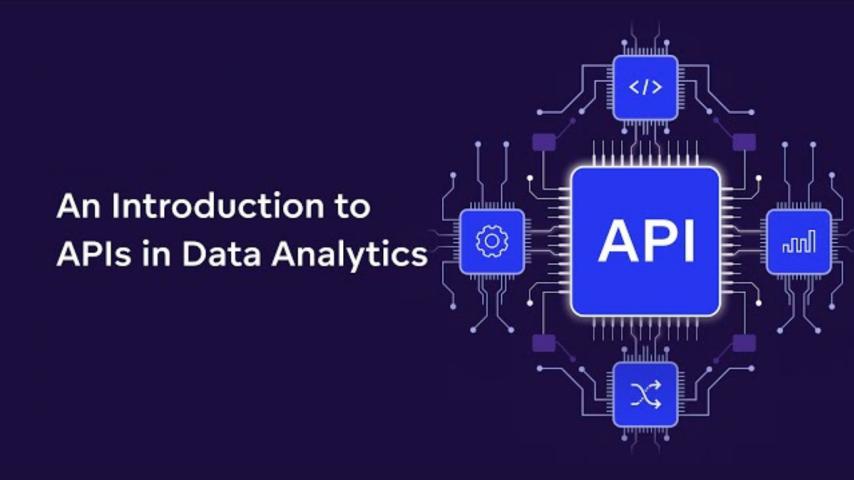
- REST API workflows
- Using Postman with ACI and
Nexus
- Ansible automation playbooks
- Infrastructure-as-Code
concepts
Automation
knowledge not only helps with the exam but also strengthens your job readiness.
8. Virtual Lab Practice for Real-World Scenarios
Students
receive access to virtual lab environments that replicate CCIE exam setups.
Labs typically include:
- Multi-node VXLAN fabrics
- ACI tenant and policy
deployments
- UCS compute clusters
- SAN zoning and configuration
- Automation-driven
provisioning tasks
Most
institutes provide 24x7 remote lab access, allowing Bangalore learners to
practice at their own pace.
9. Troubleshooting Techniques and Fault Practice
Troubleshooting
is one of the hardest parts of the CCIE exam. Your training includes:
- Identifying
misconfigurations
- Reading APIC fault logs
- Debugging EVPN route issues
- Fixing UCS profile failures
- SAN connectivity
troubleshooting
- Troubleshooting under timed
conditions
These
exercises prepare you for real-world enterprise troubleshooting as well as exam
pressure.
10. Mock Labs and Time-Bound Practice
Bangalore
training centers conduct multiple mock labs modeled after the real CCIE exam to
help you build:
- Exam speed
- Confidence
- Configuration accuracy
- Troubleshooting efficiency
- Time management skills
Mock labs
highlight your weak areas so you can refine your study strategy.
11. Expert Mentorship and Peer Support
A key
benefit of learning in Bangalore is access to experienced mentors and a
community of CCIE aspirants. Training centers offer:
- Live doubt-clearing sessions
- Weekly review meetings
- Discussion groups
- Peer troubleshooting labs
- One-on-one mentorship
guidance
This
collaborative environment accelerates learning and builds confidence.
Conclusion
CCIE Data
Center training in Bangalore provides a structured, hands-on, and
industry-aligned learning experience that equips students with advanced skills
in ACI, Nexus, UCS, SAN, VXLAN EVPN, and automation. With expert guidance,
real-world labs, troubleshooting drills, and mock exams, Bangalore remains one
of the best places to prepare for this expert-level certification. To fully
maximize your potential and ensure a smooth path to certification success,
enrolling in professional CCIE Data Center Training, supported by
consistent practice and the right study strategy, is essential for ambitious
learners in Bangalore’s dynamic tech ecosystem.