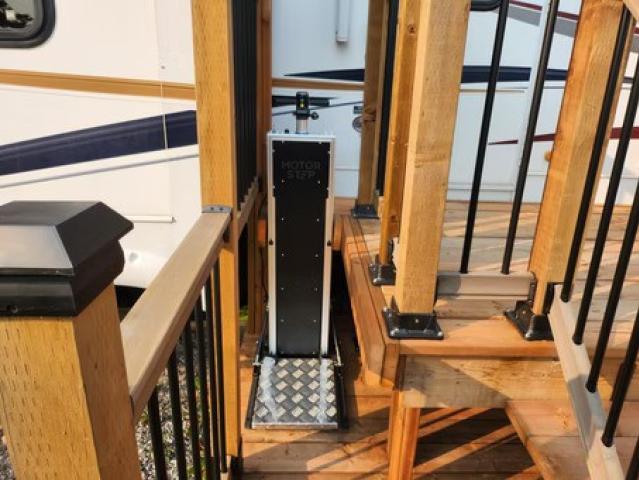

Homes and public spaces shape daily life. When stairs block movement, stress follows. A platform lift offers a clear answer by supporting safe travel between levels. It suits homes, schools, clinics, and shared buildings. This article explains how such systems support comfort, safety, and inclusion. The focus stays on real needs, clear ideas, and practical use.
What a Platform Lift Brings to Daily Life
Access shapes independence. When movement feels simple, confidence grows.
Freedom of movement
Users travel between floors without strain.
This restores control and calm.
Space awareness
Compact designs fit narrow layouts.
Therefore, rooms keep their function.
Clear operation
Simple controls guide smooth travel.
As a result, users feel secure.
A platform lift supports dignity by removing barriers rather than forcing workarounds. It blends into daily routines and supports varied needs.
Understanding Use Cases Across Different Spaces
Each building carries its own demands. Matching use with design ensures success.
Private homes
Residents move between floors with ease.
Families support ageing members.
Public buildings
Visitors access services without delay.
This supports fairness and safety.
Workplaces
Staff reach all areas with confidence.
Productivity improves through access.
Because needs differ, planners assess layout, traffic flow, and user ability before choosing a solution.
How a Wheelchair Platform Lift Supports Inclusion
A wheelchair platform lift serves users who rely on mobility aids. It offers steady support without forcing change in routine.
Level access
The platform aligns with floors.
Wheelchairs roll on without lifting.
Strong barriers
Side rails protect during travel.
This builds trust in use.
Direct controls
Buttons sit within easy reach.
Users guide movement themselves.
A wheelchair platform lift supports independence rather than assistance. It allows users to move without help. In many settings, a wheelchair platform lift becomes a quiet partner in daily life.
Stairlift Solutions Within Singapore Homes
In compact housing, stairs often limit movement. A stairlift singapore option addresses this challenge within tight layouts.
Track alignment
Rails follow stair shape.
This preserves walking space.
Seated travel
Users sit and ride between levels.
This reduces fall risk.
Home fit
Designs suit local housing >
Residents keep familiar spaces.
A stairlift singapore solution suits users who walk but need support on steps. In many cases, families pair it with other access tools. As needs change, a stairlift singapore system helps homes adapt.
Safety Features That Build Trust
Safety stands at the centre of access design. Each feature serves a clear purpose.
Emergency stop
Travel halts at once when needed.
This prevents harm.
Smooth starts
Gentle motion avoids jolts.
Bodies stay balanced.
Secure platforms
Non-slip surfaces grip wheels and feet.
Stability remains constant.
Because safety shapes confidence, users approach each ride with calm rather than fear.
Planning the Right Choice for Long-Term Use
Thoughtful planning saves time and stress later.
Assess daily patterns
Note how often floors change.
Match speed and size to use.
Review space
Measure clearances and landings.
Avoid tight turns.
Think ahead
Needs may grow with age.
Choose systems that adapt.
When planners align needs with design, access feels natural rather than forced.
A Practical Step Toward Inclusive Living
Access defines comfort and dignity. With the right tools, buildings serve all users with care. A platform lift stands as a quiet answer to a common challenge. It removes limits, supports safety, and restores ease. When movement flows, daily life gains balance and strength.