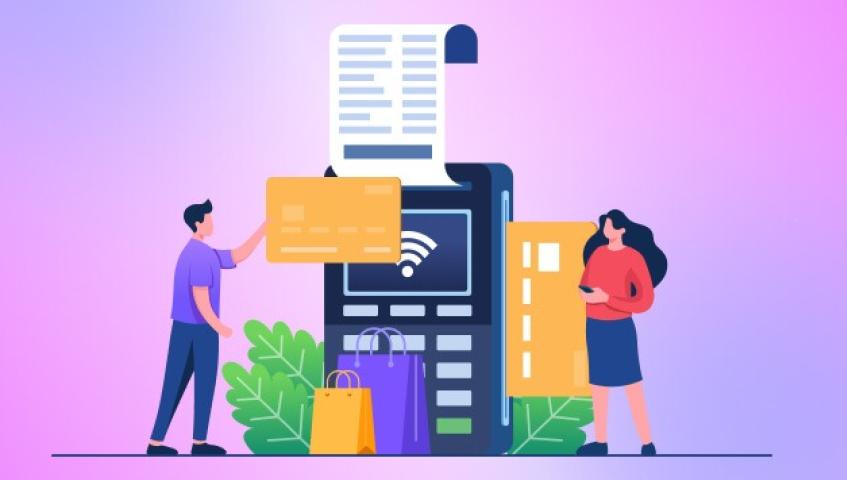
Mobile Payment Systems have become a cornerstone of modern digital finance, transforming the way consumers and businesses conduct transactions. With the widespread use of smartphones, these systems allow users to pay for goods and services quickly and securely without relying on cash or physical cards. Mobile Payment Systems offer convenience, efficiency, and accessibility, making them an essential component of today’s financial ecosystem.
Understanding the Concept of Mobile Payment Systems
Mobile Payment Systems refer to digital platforms that enable financial transactions through mobile devices. These systems rely on software applications and secure networks to process payments in real time. By integrating banking services, digital wallets, and payment gateways, Mobile Payment Systems simplify transactions for users while reducing operational complexity for businesses.
Role of Mobile Payment Tools in Digital Transactions
A Mobile Payment tool acts as the interface that connects users to Mobile Payment Systems. These tools include mobile applications and digital wallets that store payment information securely. A Mobile Payment tool enables users to authorize transactions with minimal effort, often using biometric authentication or secure passcodes. As these tools evolve, they continue to improve user experience and transaction speed.
Mobile Payment Solutions for Businesses and Consumers
Mobile Payment solutions provide comprehensive platforms that support multiple transaction types and industries. For businesses, these solutions offer faster checkout processes and better customer engagement. For consumers, Mobile Payment solutions deliver convenience and flexibility by supporting various payment options. The adaptability of these systems makes them suitable for retail, e-commerce, and service-based industries.
Exploring Different Mobile Payment Methods
Mobile Payment Systems support a variety of Mobile Payment method options designed to meet diverse needs. These methods include contactless payments, QR code scanning, and in-app purchases. Each Mobile Payment method offers a unique level of convenience and security, allowing users to choose the approach that best fits their preferences. The availability of multiple methods enhances adoption and usability across markets.
Mobile Payment Wallet System and Its Importance
A Mobile Payment wellet system, commonly known as a digital wallet, is a core component of Mobile Payment Systems. This system stores users’ financial information securely and allows seamless transactions. A Mobile Payment wellet system eliminates the need to carry physical cards and supports quick payments through smartphones. Its integration with loyalty programs and financial tracking tools further enhances its value.
Security in Mobile Payment Systems
Security is a critical factor in the success of Mobile Payment Systems. Advanced encryption, tokenization, and authentication methods protect user data and prevent fraud. Mobile Payment solutions continuously evolve to address emerging security threats. By maintaining high security standards, Mobile Payment Systems build trust and encourage widespread adoption.
Mobile Payment Systems and Financial Inclusion
Mobile Payment Systems play a significant role in expanding financial inclusion. These systems provide access to financial services for individuals without traditional banking infrastructure. Through Mobile Payment tools, users can perform transactions, save money, and manage finances digitally. This accessibility supports economic growth and empowers underserved communities.
Fintech Insights on Mobile Payment Systems
Fintech Insights highlight the rapid growth and innovation within Mobile Payment Systems. Industry analysis shows increasing adoption rates driven by convenience and technological advancements. Fintech Insights also reveal how artificial intelligence and data analytics are enhancing Mobile Payment solutions. These insights help businesses and investors understand market trends and future opportunities.
Business Advantages of Mobile Payment Systems
For businesses, Mobile Payment Systems offer operational efficiency and improved customer experience. Faster transaction processing reduces waiting times and enhances satisfaction. Mobile Payment solutions also provide valuable data insights that help businesses understand consumer behavior. By leveraging these systems, companies can streamline operations and increase profitability.
Challenges Facing Mobile Payment Systems
Despite their benefits, Mobile Payment Systems face challenges such as cybersecurity risks and regulatory compliance. Ensuring interoperability across platforms and regions remains a concern. Mobile Payment solutions must continuously adapt to address these challenges and maintain reliability. Overcoming these obstacles is essential for long-term sustainability.
Future Trends in Mobile Payment Systems
The future of Mobile Payment Systems is shaped by innovation and evolving consumer expectations. Emerging technologies such as blockchain and biometric authentication will further enhance security and efficiency. Mobile Payment methods will become more integrated with everyday activities, making digital transactions seamless. These trends indicate continued growth and transformation in the financial sector.
Mobile Payment Systems in the Digital Economy
Mobile Payment Systems are integral to the digital economy, supporting e-commerce, remote services, and global trade. By enabling instant transactions, these systems facilitate economic activity and innovation. Mobile Payment tools and solutions contribute to a more connected and efficient financial ecosystem.
Conclusion
Mobile Payment Systems have redefined how financial transactions are conducted in the modern world. Through advanced Mobile Payment tools, diverse Mobile Payment methods, and secure Mobile Payment wallet systems, these platforms deliver convenience and accessibility. Supported by Fintech Insights, the continued evolution of Mobile Payment Systems promises to shape the future of digital finance. As adoption increases, these systems will remain central to financial innovation and economic growth.