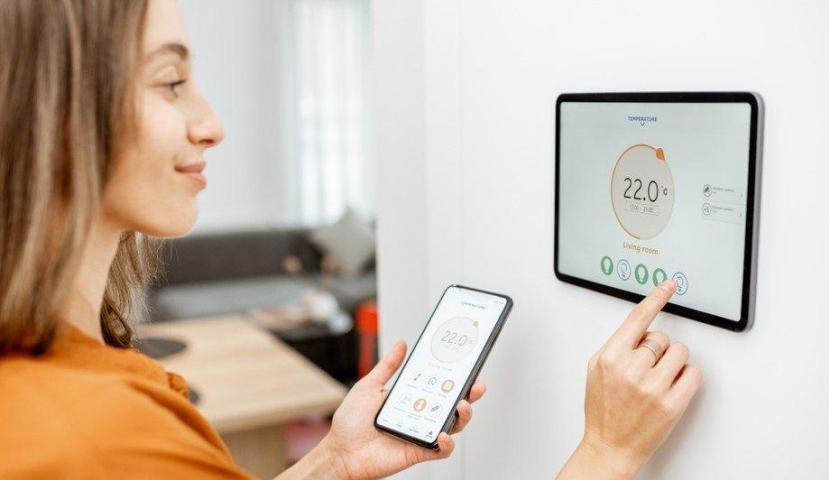
Smart heating systems are often marketed as a perfect blend of comfort, efficiency, and automation. Variable-speed compressors, adaptive controls, and learning thermostats promise to reduce energy use while keeping homes consistently comfortable. Yet many homeowners experience the opposite: systems that run longer than expected, struggle in cold weather, or never quite deliver the comfort they were designed to provide. In many cases, the issue is not poor installation or user error, but a subtle product design blind spot that quietly undermines efficiency.
That blind spot becomes easier to understand when looking at problems such as a Heat Pump Outdoor Sensor Malfunction. When critical environmental data is inaccurate or poorly accounted for in system design, even advanced heating equipment can make inefficient decisions while appearing to operate normally.
Where Smart Heating Design Often Falls Short
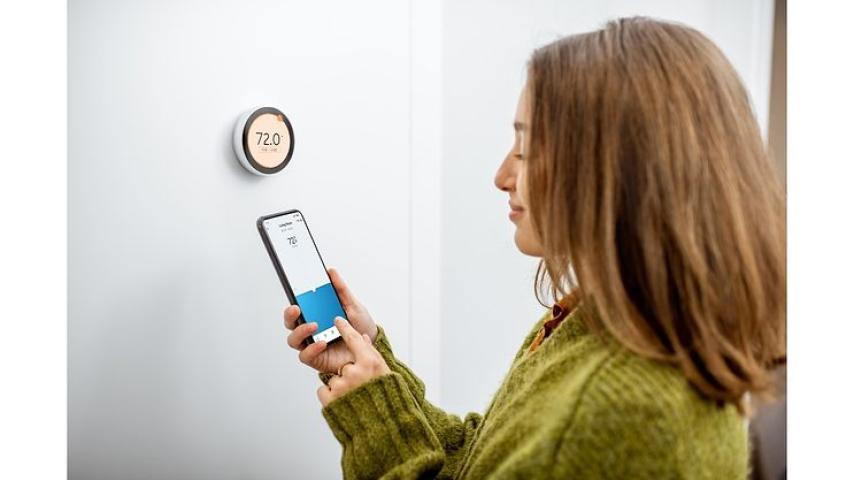
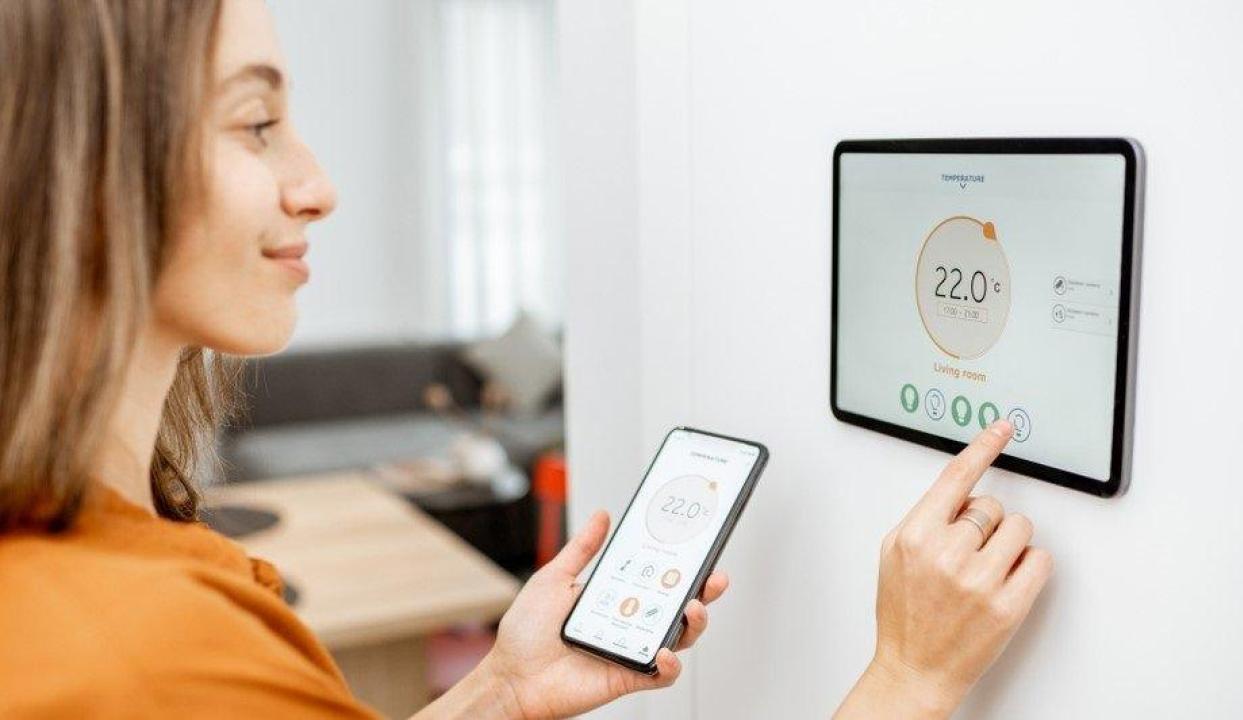
Modern heating systems depend on data-driven control. Sensors measure outdoor temperature, indoor temperature, humidity, and system performance, then feed this information into control logic that adjusts output in real time. On paper, this approach is highly efficient. In practice, many product designs assume that sensor data is always accurate, stable, and representative of real conditions.
This assumption is the blind spot. Sensors operate in the real world, not in controlled lab environments. They are exposed to weather, dust, sunlight, electrical noise, and gradual aging. When product design fails to account for how fragile and influential these inputs can be, system efficiency suffers.
The Overconfidence in Sensor Accuracy
One of the most common design oversights is overconfidence in sensor accuracy over time. Many systems rely on a single outdoor temperature sensor to determine heating demand, defrost cycles, and compressor behavior. If that sensor drifts or becomes biased due to placement or exposure, the system has no reliable way to verify the data.
From a design perspective, this creates a single point of failure. A few degrees of error in outdoor temperature can lead to significant changes in system behavior, including reduced heat output or unnecessary cycling. The equipment itself may be capable of high efficiency, but it is being guided by flawed information.
How This Blind Spot Reduces Efficiency in Real Homes
When sensor data is wrong, the system still behaves logically according to its programming. The inefficiency arises because the logic is applied to incorrect assumptions.
If the system believes outdoor conditions are milder than they actually are, it may reduce output too early. The result is longer run times at lower capacity, which often consumes more energy than short, properly sized heating cycles. Conversely, if conditions are perceived as harsher than reality, the system may overwork itself, increasing wear and energy use.
These inefficiencies rarely trigger fault codes. From the system’s perspective, everything is working as designed.
Design Focus on Features Over Reliability
Another contributing factor is the industry’s focus on adding features rather than reinforcing reliability. Product marketing emphasizes smart apps, remote control, learning algorithms, and connectivity. Less attention is given to how sensors behave after years of exposure to real-world conditions.
In many designs, sensor validation is minimal. The system checks whether a sensor is connected, not whether it is accurate. As long as a value is within an acceptable range, it is trusted. This approach prioritizes simplicity and cost reduction over long-term performance.
Placement Decisions Made for Convenience
Product design often assumes ideal sensor placement, but real installations rarely match those assumptions. Outdoor sensors may be mounted where wiring is easiest, not where temperature readings are most accurate. Indoor sensors may be placed near thermostats that are influenced by sunlight, drafts, or nearby equipment.
When design does not include safeguards against poor placement, the system inherits all the weaknesses of its environment. Efficiency drops, not because the system lacks capability, but because it lacks context.
The Gap Between Lab Testing and Lived Experience
Heating systems are tested extensively before release, but testing environments are controlled. Sensors are clean, properly mounted, and calibrated. In real homes, conditions are unpredictable. Snow accumulation, dust, landscaping changes, and home renovations all affect sensor performance.
Designs that fail to bridge this gap assume conditions that rarely exist long term. As a result, efficiency ratings achieved in testing are difficult to maintain in daily operation.
Why Homeowners Feel the Impact First
Homeowners often notice the symptoms before professionals do. Rising energy bills, inconsistent comfort, and systems that seem to “struggle” in certain weather conditions are common complaints. Yet standard inspections may find no mechanical fault.
This disconnect happens because the inefficiency lives in the decision-making layer of the system, not in its physical components. Without design-level awareness of sensor vulnerability, troubleshooting becomes reactive rather than preventive.
What Better Product Design Could Look Like
Addressing this blind spot does not require revolutionary technology. It requires more realistic assumptions.
Better designs would include sensor redundancy for critical measurements, allowing systems to cross-check data rather than trust a single input. They would incorporate long-term drift detection, flagging gradual inaccuracies before comfort and efficiency decline. Placement guidance would be enforced through design, not left entirely to installers.
Most importantly, systems would be designed to question their own data, not blindly trust it.
The Role of Installers and Technicians
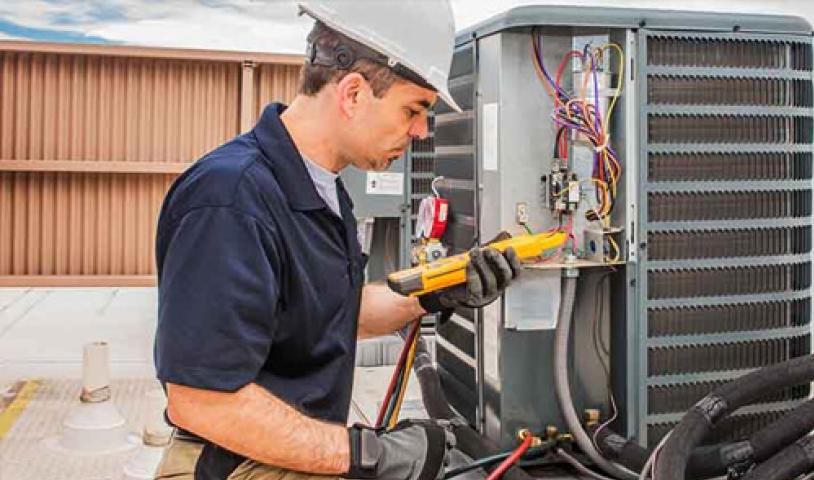
While product design sets the foundation, installers and technicians play a crucial role in mitigating these issues. Proper sensor placement, periodic calibration checks, and awareness of data-related inefficiencies can partially compensate for design limitations.
However, relying on field corrections alone is not sustainable. True efficiency gains come when product design anticipates real-world behavior rather than ideal conditions.
Why This Blind Spot Matters More Over Time
As heating systems become more advanced, their reliance on accurate data increases. Variable-speed operation, predictive controls, and energy optimization algorithms all magnify the impact of sensor errors. What was once a minor issue in simpler systems now affects every aspect of performance.
The smarter the system, the more damaging this blind spot becomes.
Conclusion
Smart heating systems are not failing because they lack technology. They are falling short because of a product design blind spot that underestimates the importance and fragility of environmental data. When systems assume sensors are always accurate, they sacrifice efficiency the moment real-world conditions challenge that assumption.
Recognizing this blind spot is the first step toward better design, better performance, and better comfort. Until then, many smart heating systems will continue to operate intelligently, yet inefficiently, guided by data they were never designed to question.