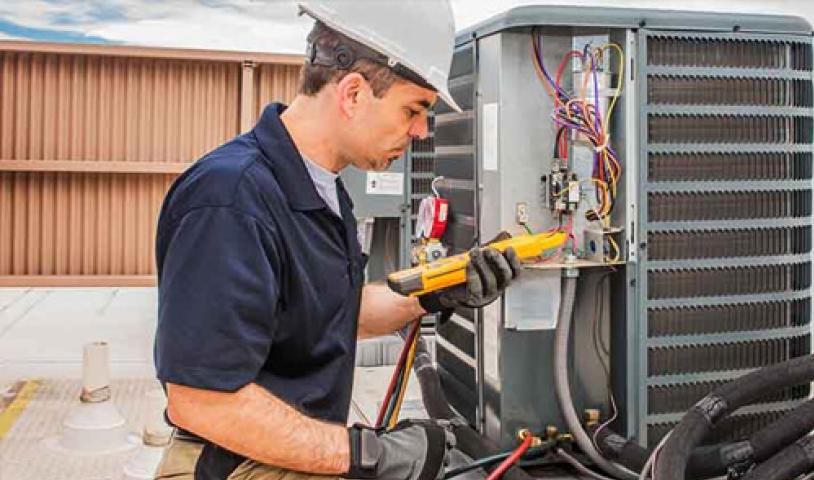
When your heating system breaks down in the middle of winter, the urgency to get it running again can push you toward the fastest, cheapest solution on offer. A patch here, a shortcut there — before you know it, the repair is done and your furnace is humming again. But all too often, these “quick fixes” fail within a year, leaving homeowners facing repeated breakdowns, higher utility bills, and eventually, larger repair costs or premature system replacement.
This blog explains why quick fixes fall short, what the hidden costs really are, and how to make smarter decisions that protect your comfort and your wallet. If you’re facing issues that can’t wait, or you don’t know the root cause of a heating problem, our emergency heating repair services team can assess and address the issue thoroughly — not just temporarily.
The Real Cost of Shortcuts
At first glance, a quick, inexpensive repair seems like a smart choice. The furnace is working again, the bill was smaller than you expected, and the technician was in and out fast. But here’s the uncomfortable truth: fixing symptoms instead of causes saves money today and costs a lot more tomorrow.
Think of it like putting a bandage on a deep cut. Sure, the bleeding slows for a moment, but you haven’t cleaned or stitched the wound. Eventually, it will reopen.
Here are the core reasons these quick fixes fail:
1. They Don’t Address the Root Cause
When a technician replaces an obvious part — a limit switch, sensor, blower wheel, or control board — without diagnosing why that component failed, the underlying issue remains.
Common root problems ignored by quick fixes include:
- Poor airflow due to clogged filters or blocked vents
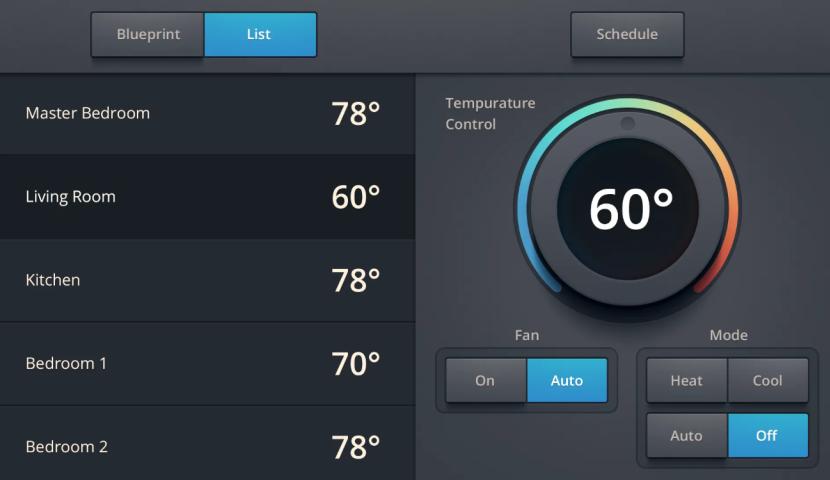
- Improper thermostat calibration
- Electrical supply inconsistencies
- Ductwork leaks or imbalance
- Incorrect system sizing or serious wear and tear
Merely swapping a part might restore heat for a while, but if airflow is restricted or the electrical system fluctuates, that replacement part will fail again. In many cases, quicker failure is inevitable — sometimes within weeks.
2. Quick Fixes Bypass Thorough Inspection
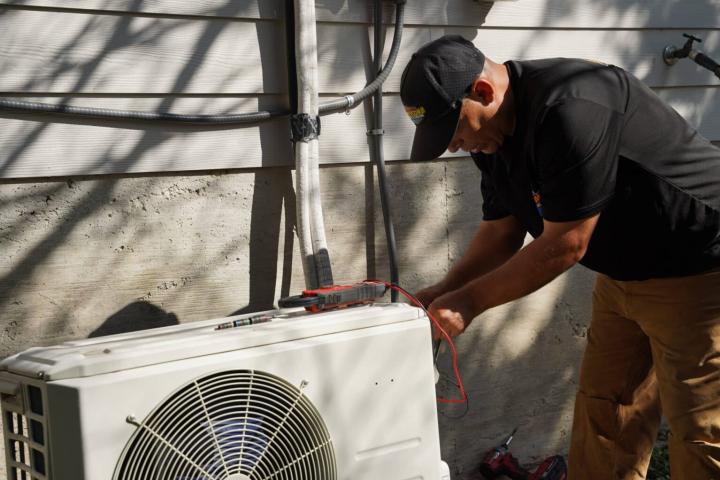
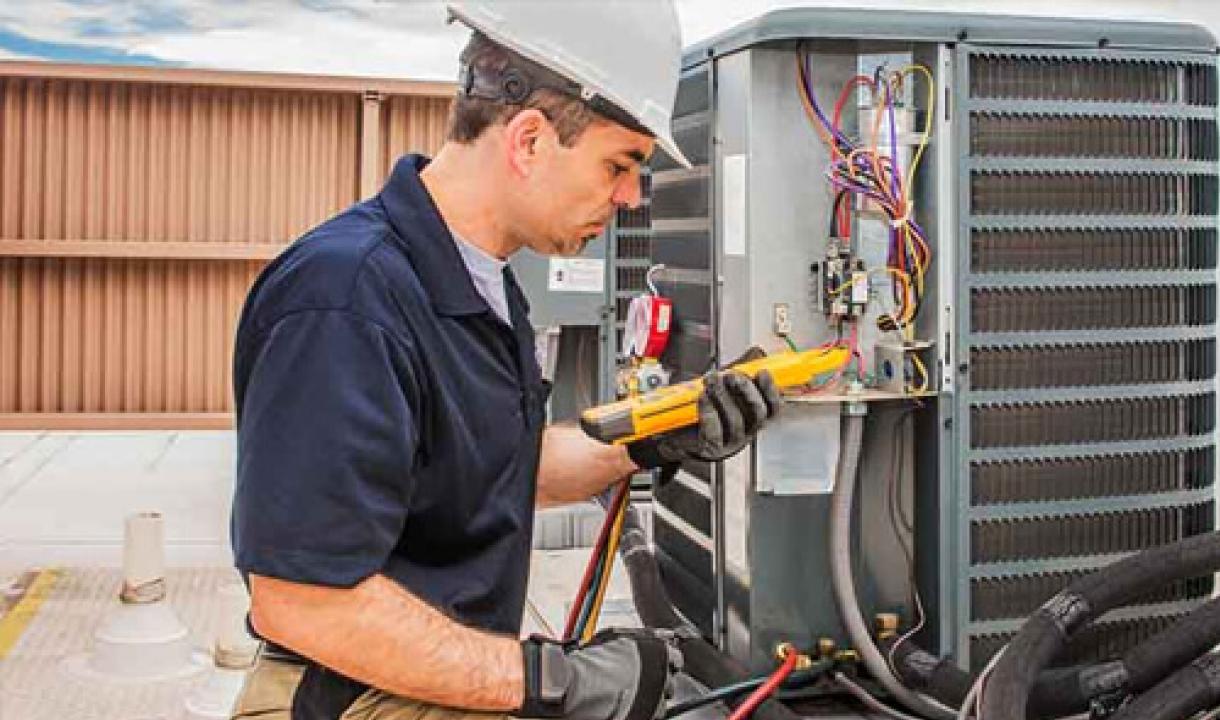
A thorough heating system evaluation takes time and skill. Technicians should:
- Inspect heat exchanger integrity
- Test electrical circuits and safety controls
- Measure airflow and combustion efficiency
- Check for carbon monoxide leaks
- Evaluate thermostat and sensor functions
- Document past performance or recurring issues
When repairs skip or rush these inspections, critical problems go unnoticed.
Imagine driving a car with a “check engine” light and choosing to ignore it because the car still runs. Sure, you’ll keep driving — until something catastrophic happens. Your heater is no different.
3. Inexperienced Technicians and “Band-Aid” Repairs
Not all HVAC technicians are equal. Some are well-trained, certified professionals who are committed to long-term performance. Others are less experienced and focus on quick turnover — meaning they move from service call to service call, prioritizing speed over quality.
This leads to a pattern where:
- Diagnoses are guessed rather than confirmed
- Parts are replaced without testing
- Temporary fixes are used instead of permanent solutions
- Important safety checks are skipped
The result? A repair that doesn’t last and a homeowner left repeating the same service call.
4. Improper Parts and Materials
Using low-quality or incorrect replacement parts — often to save time or reduce costs — is a major contributor to early failure.
Manufacturers design specific components to meet precise tolerances. Substandard knock-offs or incorrect parts might fit, but they won’t last as long or operate as efficiently. For example:
- Generic capacitors that fail prematurely
- Incorrect flame sensors that misread conditions
- Improper filters that reduce airflow
These choices rarely pay off.
5. Ignored Maintenance History
Every heating system has a history — previous repairs, recurring issues, maintenance logs, and past technician notes. A good technician will review this history, identify patterns, and build solutions based on that context.
Quick fixes often ignore history completely. A single part is replaced without considering:
- How many times the same issue has occurred
- Whether maintenance has been regularly performed
- If older components are near end-of-life
- Whether multiple symptoms point to a central problem
Skipping this context dramatically increases the chance of repeat failure.
6. Temporary Solutions Are Just That — Temporary
Some quick-fix tactics are explicitly temporary and meant only to get the system running long enough for a planned replacement later. Examples include:
- Jumpering out safety switches
- Ignoring error codes
- Resetting circuits repeatedly
- Using makeshift fixes like taped wires
Each of these might restore heat in the short term, but they compromise safety and reliability.
7. Lack of Testing After Repair
One hallmark of a quality HVAC repair is post-repair validation. This means:
- Running the system through multiple heat cycles
- Verifying thermostat calibration
- Measuring temperature rise across the heat exchanger
- Checking safety cutouts under real conditions
Without these tests, there’s no assurance the repair solved the issue — only that the system turned on.
Quick fixes often stop at “it runs now,” which is not the same as “it’s fixed.”
How to Avoid Falling Into the Quick-Fix Trap
Smart decisions don’t come from fear or urgency — they come from understanding.
Here’s a practical approach you can take whenever your heater fails:
1. Choose Technicians Who Diagnose First
A technician should verbally explain:
- What tests they plan to run
- What each symptom might indicate
- What failure modes they’re ruling out
- The difference between temporary and permanent solutions
If they can’t explain their process, walk away. You deserve clarity.
2. Insist on Written Estimates and Explanations
A good estimate will break down:
- Labor costs
- Part costs
- Diagnostic fees
- Warranty terms
This protects you from surprise charges and ensures accountability.
3. Verify Credentials and Experience
Look for:
- HVAC certifications (e.g., NATE)
- Years of field experience
- References and reviews
- Clear communication
Experience matters — especially with complex systems.
4. Prioritize Long-Term Value Over Short-Term Savings
A repair that fixes the root cause costs more today but saves you money over the system’s life. Conversely, a cheap repair that fails in months forces repeated service calls and, often, a full system replacement earlier than necessary.
5. Keep an Ongoing Maintenance Plan
Annual or bi-annual inspections catch issues before they become emergencies. A good maintenance plan:
- Prolongs equipment life
- Improves efficiency
- Reduces mid-season failures
- Keeps safety systems in check
Maintenance isn’t optional — it’s preventive investment.
Final Thoughts
Quick fixes are appealing because they promise immediate relief with minimal cost. But in the world of home heating systems, what feels cheap upfront often turns out to be expensive later. Replacing parts without diagnosing causes, skipping inspections, using low-quality components, and avoiding maintenance are exactly the habits that guarantee early failure.
If you want your heating system to perform reliably, avoid repeated service calls, and last as long as possible, you need repairs that solve the real problem — not just the symptom. Treating issues at their source, investing in quality service, and choosing technicians who stand by their work will save you money, time, and stress.
When your heater isn’t working right, don’t just make it run. Make it right.