Many homeowners assume that if a heating system is running often, it must be
doing its job. The house feels warm, the thermostat is set correctly, and
everything seems normal. But a system that runs longer than necessary without
delivering better comfort is not working efficiently. It is overworking. This
hidden strain increases energy bills, shortens equipment life, and still leaves
rooms feeling uneven or stuffy.
Understanding why this happens is the first
step toward fixing it. In many cases, the issue is not system size or outdoor
temperature but control and sensing problems, airflow restrictions, or
operational settings that cause the system to work harder without meaningful
comfort improvement. A common contributor is a Heat Pump Outdoor Sensor Malfunction, where inaccurate
outdoor readings force a system to operate in a less efficient mode than
needed, increasing run time and energy use without better heating performance.
What “Overworking” Really Means
An overworking heating system is one that runs
longer, cycles more frequently, or operates at higher output than necessary to
maintain the desired indoor temperature. However, the extra effort does not
translate into better comfort.
You might notice:
·
The system runs almost constantly during
moderate weather.
·
Some rooms are still cold while others feel
overheated.
·
Energy bills climb even though thermostat
settings have not changed.
·
Equipment seems louder or more stressed than in
previous seasons.
This usually signals inefficiency in how heat
is delivered or controlled, not just how much heat is produced.
Why More Run Time Does Not Equal More Comfort
Comfort depends on more than air temperature.
Air distribution, humidity balance, and consistent heat delivery all matter.
When a system overworks, it often highlights deeper issues.
Uneven Heat Distribution
If ducts are leaking, blocked, or poorly
designed, heated air does not reach rooms evenly. The thermostat senses the
temperature in one location, but other areas remain cold. The system keeps
running to satisfy the thermostat, but overall comfort does not improve.
Short Cycling and Temperature Swings
A system that turns on and off frequently may
not run long enough to distribute heat evenly. Rooms warm up quickly near
supply vents but cool down just as fast, leading to frequent cycles that waste
energy.
Poor Air Mixing
When airflow is restricted, warm air may
collect near the ceiling while cooler air remains at floor level. The
thermostat might read an acceptable temperature, but occupants still feel cold.
Common Causes of Heating System Overwork
Stopping overwork requires identifying what is
forcing the system to operate inefficiently.
1. Thermostat Location and Sensor Errors
A thermostat placed near drafts, direct
sunlight, kitchens, or supply vents can misread indoor conditions. It may think
the home is colder than it is and keep the system running longer.
Sensor drift inside thermostats or system
controls can also cause inaccurate readings. Even a small error of one or two
degrees can significantly extend heating cycles.
2. Airflow Restrictions
Airflow problems are one of the most common
reasons for overworking systems.
·
Dirty air filters reduce airflow, forcing the
blower to work harder.
·
Closed or blocked vents restrict distribution.
·
Undersized or crushed ducts limit air delivery.
·
Blower motors running at incorrect speeds reduce
efficiency.
When airflow is compromised, the system
struggles to move heat effectively, so it runs longer without improving
comfort.
3. Duct Leakage
Leaky ducts allow heated air to escape into
attics, crawl spaces, or walls before reaching living areas. The system
compensates by running longer, but occupants do not feel additional warmth.
4. Incorrect System Settings
Modern heating systems often have adjustable fan
speeds, staging controls, and temperature differentials. Improper settings can
cause systems to:
·
Run at high output when lower stages would be
sufficient.
·
Shut off too quickly, causing short cycling.
·
Maintain overly tight temperature swings that
increase cycling frequency.
5. Outdoor Sensor and Control Issues
In heat pump systems, outdoor sensors help
determine how the system operates. If the sensor reads colder than actual
conditions, the system may activate auxiliary heat unnecessarily. This
increases energy use and run time without improving comfort inside the home.
Practical Ways to Stop the System From
Overworking
Addressing these issues does not necessarily
mean upgrading equipment. In many homes, simple corrections make a significant
difference.
Improve Thermostat Accuracy
Ensure the thermostat is mounted on an
interior wall away from heat sources, windows, and vents. If readings seem
inconsistent, have a professional check calibration or replace aging
thermostats.
Smart thermostats can help, but only when
installed in appropriate locations and configured correctly.
Maintain Proper Airflow
Start with the basics:
·
Replace or clean filters regularly.
·
Make sure vents and returns are not blocked by
furniture or rugs.
·
Have a technician check blower performance and
duct sizing.
Balanced airflow allows the system to deliver
heat more evenly, reducing run time.
Seal and Insulate Ductwork
Professional duct sealing can prevent heated
air from escaping. Insulating ducts in unconditioned spaces further improves delivery
efficiency. When more of the produced heat reaches living areas, the system
does not need to run as long.
Adjust System Controls
Technicians can fine-tune system settings such
as fan speeds, staging delays, and temperature differentials. Proper
adjustments help the system run in longer, steadier cycles that improve
efficiency and comfort.
Address Sensor and Control Problems
If outdoor or indoor sensors are inaccurate,
replacing or recalibrating them can prevent unnecessary system strain. Accurate
data allows the system to operate in the most efficient mode for current
conditions.
Improve Home Envelope Efficiency
Heat loss through walls, ceilings, windows,
and doors forces systems to run longer. Sealing air leaks and improving
insulation reduces demand, allowing the heating system to meet comfort needs
with less effort.
Signs the Problem Is Being Resolved
After corrections, you should notice:
·
Shorter and more stable heating cycles.
·
More consistent temperatures between rooms.
·
Lower energy consumption compared to previous
bills under similar weather conditions.
·
Quieter system operation and fewer noticeable
on/off cycles.
Comfort should feel more even, not necessarily
warmer, but more stable and balanced.
When Professional Help Is Necessary
Some issues are difficult to diagnose without
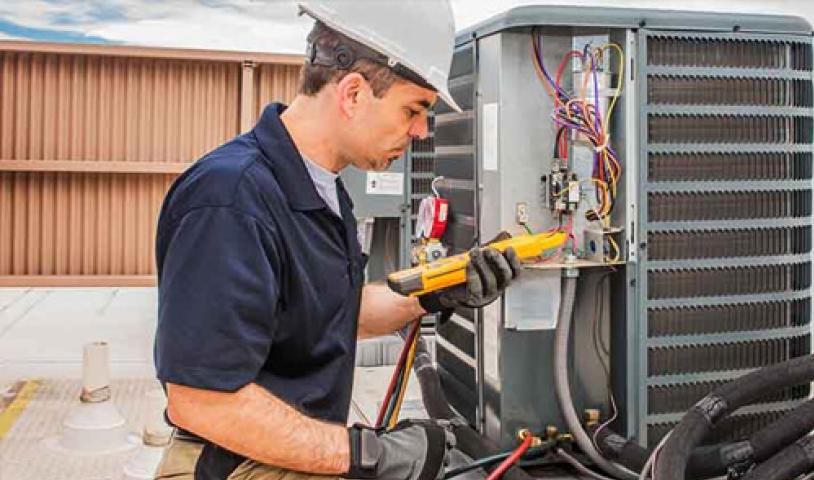
tools and training. A professional HVAC evaluation can include:
·
Airflow measurement.
·
Duct leakage testing.
·
Sensor accuracy checks.
·
System performance analysis.
These steps identify hidden inefficiencies
that are not obvious to homeowners.
The Long-Term Benefits of Reducing Overwork
Stopping a heating system from overworking
does more than lower energy bills.
·
Equipment experiences less mechanical stress,
extending lifespan.
·
Comfort improves through better distribution
rather than higher output.
·
Maintenance issues decrease because components
are not pushed beyond normal operating ranges.
Efficiency comes from proper control and
delivery, not from forcing the system to run longer.
Conclusion
A heating system that runs constantly is not
necessarily keeping a home more comfortable. Often, it signals airflow
restrictions, sensor errors, duct losses, or control problems that cause the
system to work harder than needed. This extra effort increases energy costs
without meaningful comfort gains.
By
improving thermostat accuracy, ensuring proper airflow, sealing ducts,
correcting sensor issues, and fine-tuning system controls, homeowners can
reduce system strain while maintaining or even improving indoor comfort. The
goal is not more heat, but smarter operation based on accurate information and
efficient delivery.