
A game development compny creates video games by planning ideas, designing gameplay, building visuals, writing code, testing performance, and supporting the game after release. The process follows clear steps so games work smoothly on mobile phones, PCs, consoles, and other devices. Each service focuses on a specific part of game creation, helping players enjoy stable controls, clear visuals, and engaging gameplay. In simple terms, a game development compny handles everything needed to turn a game idea into a playable product.
What Is a Game Development Compny?
A game development compny is a team that builds video games from start to finish. This team includes game designers, developers, artists, animators, testers, sound creators, and coordinators. Each role supports a different part of the game so all systems work together properly.
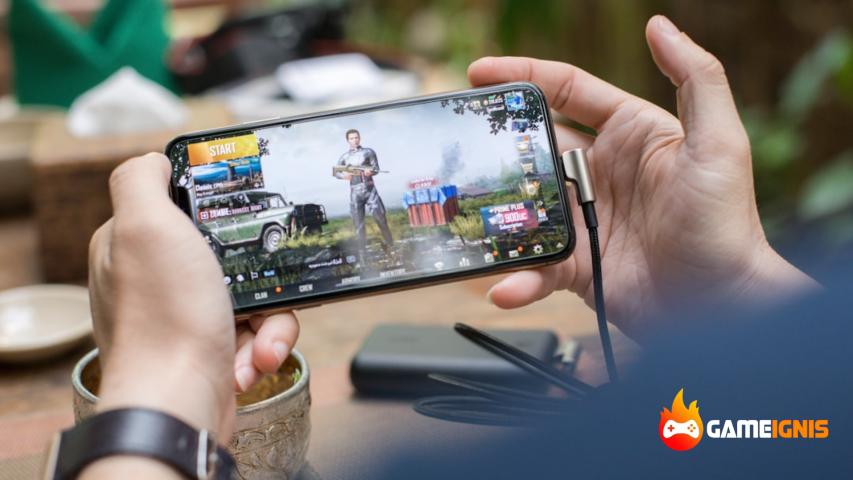
These companies work on many game types, such as action games, puzzle games, strategy games, sports games, and simulation games. Some games are small and casual, while others are large and detailed. The compny adjusts its services based on the game’s size, platform, and audience.
Game creation involves more than coding. Planning, visuals, sound, testing, and updates all play an equal role in the final result.
Core Services Offered by a Game Development Compny
A game development compny provides a wide range of services that cover every stage of game creation. These services work together to form a complete development cycle.
The main services include game design, game programming, art and animation creation, sound design, testing, multiplayer systems, and post-release support. Each service focuses on a clear task and supports the others through teamwork and shared planning.
This structured service model helps reduce errors and keeps development organized.
Game Design and Gameplay Planning
Game design defines how the game works and how players interact with it. Designers plan rules, controls, scoring systems, level structure, and player goals. This planning stage shapes the entire game experience.
Designers think about how players learn controls, face challenges, and progress through the game. Clear gameplay flow helps players understand what to do without long explanations.
A game development compny keeps game design documents updated so all team members follow the same direction during development.
Game Art and Visual Creation
Game art gives the game its visual identity. Artists create characters, environments, objects, icons, and menus. The visual >
Mobile games often use clean and simple visuals to support fast loading. PC and console games may use detailed models and lighting. All visuals must remain consistent throughout the game.
A game development compny focuses on clarity in visuals so players can read the screen easily and respond quickly during gameplay.
Animation and Character Movement
Animation brings motion into the game. Animators create character movements, object interactions, and visual effects. Walking, running, jumping, and reacting animations help players understand actions during play.
Animation timing affects how responsive controls feel. Smooth motion helps players connect with the game. Fast-paced games need quick animation cycles, while slower games use steady movement.
Animators work closely with designers and developers to match movement with gameplay rules.
Game Programming and System Development
Game programming connects all parts of the game. Developers write code that controls player input, movement, scoring, collisions, menus, and game logic.
Programming also handles system performance, loading behavior, and memory use. Clean code helps the game stay stable during long play sessions.
A game development compny uses programming standards to keep systems organized and easy to update.
Use of Game Engines
Game engines help speed up development and support multiple platforms. These tools provide systems for graphics, physics, sound, and asset management.
Developers customize engine tools to fit the game’s needs. This allows real-time testing and faster updates during development.
Game engines support mobile, PC, console, and AR or VR builds, which helps companies release games on more than one platform.
Sound Design and Audio Services
Sound design adds depth to gameplay. Sound creators produce music, sound effects, and voice clips that match in-game actions.
Audio cues help guide players. Sounds signal success, danger, or progress. Balanced audio keeps players informed without distraction.
A game development compny tests sound across devices so volume and clarity stay consistent.
Quality Assurance and Game Testing
Quality assurance checks if the game works as planned. Testers play the game many times to find bugs, crashes, visual errors, or control issues.
Testing covers different devices, screen sizes, and operating systems. Each issue is reported clearly so developers can fix it.
Testing continues throughout development and after release. This helps keep the game stable over time.
Multiplayer and Online Game Services
Multiplayer and online services allow players to connect through the internet. These systems include real-time matches, co-op play, leaderboards, and player data storage.
Developers build server systems that manage player connections and game sessions. Stable online systems help avoid lag and data loss.
A game development compny tests online features under different network conditions to improve reliability.
Post-Launch Support and Updates
Game development continues after release. Post-launch support includes fixing bugs, improving performance, and adding new content.
Updates help games stay compatible with new devices and software updates. Developers monitor game behavior to guide improvements.
A game development compny plans updates carefully so changes do not break existing features.
Step-by-Step Game Development Process
The game development process follows clear stages that guide the project from idea to release.
The process begins with concept planning. The team defines the game idea, platform, and main features. This stage sets the direction for development.
Next comes pre-production. Design documents, early art samples, and technical plans are created. These materials guide the team during production.
Production is the main building stage. Art assets are created, code is written, levels are built, and sound is added. The game becomes playable during this stage.
Testing follows production. Testers find and report issues, and developers fix them. This cycle repeats until the game reaches a stable state.
Release preparation includes final checks and platform approval steps. After launch, updates and support continue.
Platform-Based Game Development
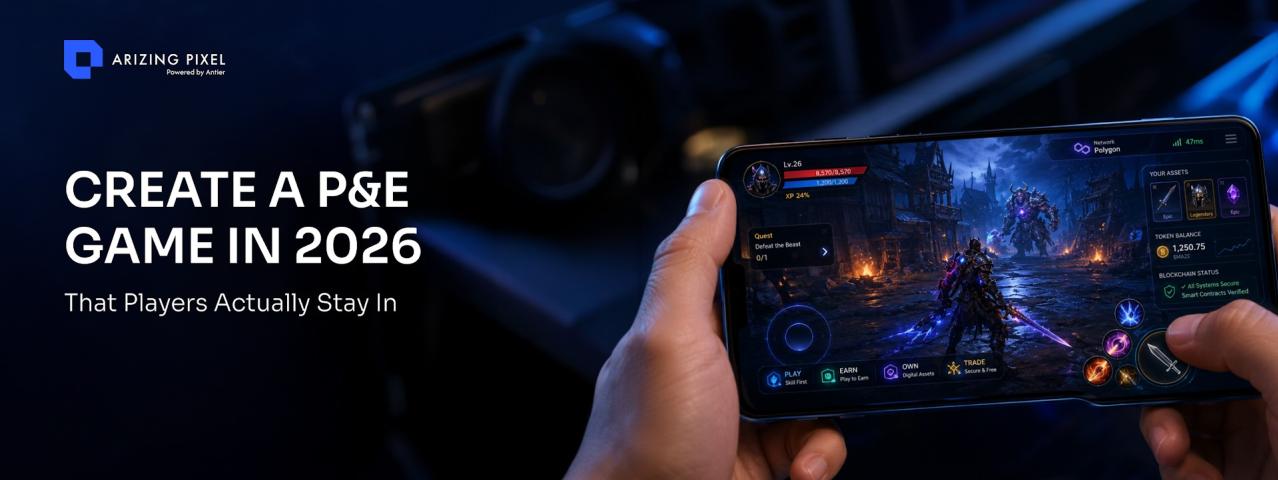
A game development compny builds games for many platforms, including mobile phones, tablets, PCs, consoles, web browsers, and AR or VR devices.
Each platform has different controls, screen sizes, and hardware limits. Developers adjust graphics, input systems, and performance settings for each version.
This platform-based approach helps players enjoy smooth gameplay on their chosen device.
Game Development for Different Genres
Different game genres require different systems. Action games focus on fast controls and timing. Puzzle games rely on logic and clear feedback. Role-playing games use character growth and story paths. Simulation games copy real-life systems in a simplified way.
A game development compny adapts its services based on the genre. This helps match gameplay >
Genre-based planning improves player satisfaction.
Collaboration Within a Game Development Compny
Teamwork plays a major role in game creation. Designers, developers, artists, testers, and coordinators communicate regularly.
Task tracking tools help manage progress and deadlines. Clear communication reduces mistakes and keeps development on schedule.
A game development compny relies on collaboration to keep all services aligned.
Performance Optimization and Stability
Performance matters in modern games. Developers review code and assets to reduce loading times and frame drops.
Optimization helps games run smoothly on both new and older devices. Settings allow players to adjust visuals and sound based on hardware.
Stable performance improves the overall play experience.
Security and Player Data Handling
Many games store player progress and settings. Developers set up systems to protect this data.
Secure storage and safe connections help protect player accounts. A game development compny follows platform rules for data handling.
Regular checks help keep systems safe during updates.
Final Thoughts
A game development compny handles the full game creation process through clear services and structured steps. From early planning and design to coding, testing, and updates, each stage supports the next.
By combining skilled teamwork with organized processes, a game development compny delivers games that run smoothly, look clear, and provide enjoyable play experiences across many platforms. Hire a Professional Game Development Team.