
The rise of blockchain,
decentralized finance (DeFi), and non-fungible tokens (NFTs) has revolutionized
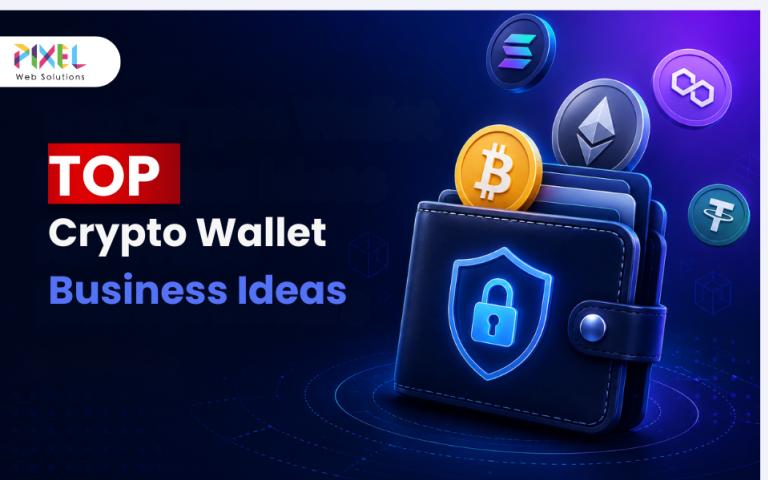
how people manage digital assets. In 2026, digital wallets are no longer
limited to storing cryptocurrencies—they are gateways to the entire Web3
ecosystem. Businesses and startups seeking to capitalize on this trend are
turning to professional web3 wallet development solutions to deliver
secure, scalable, and user-friendly digital wallets for their users.
A web3 wallet development solution
allows companies to offer a comprehensive, secure platform for managing digital
assets, integrating DeFi services, enabling NFT storage, and supporting
tokenized ecosystems. This blog explores why choosing the right web3 wallet
development solution in 2026 is critical for businesses aiming to enter the
decentralized economy.
What Is a Web3 Wallet Development Solution?
A web3 wallet developmentsolution is a software service that creates digital wallets capable of
interacting with blockchain networks. Unlike traditional wallets, Web3 wallets
allow users to store, send, and receive cryptocurrencies, NFTs, and other
tokenized assets while directly connecting to decentralized applications
(DApps).
The solution is designed to:
- Securely store private keys
- Enable seamless transactions on multiple blockchains
- Integrate with DApps and DeFi protocols
- Support token standards like ERC-20, ERC-721, and
BEP-20
By opting for a professional web3
wallet development solution, businesses can provide their users with a
secure, versatile, and intuitive digital wallet experience.
Why Web3 Wallets Are Essential in 2026
The Web3 ecosystem is rapidly expanding. Users increasingly demand wallets that go beyond simple storage. A web3 wallet development solution provides the following benefits:
- User empowerment:
Individuals retain full control of their assets.
- Cross-chain compatibility: Users can manage multiple cryptocurrencies in one
wallet.
- Seamless DApp integration: Connect directly to decentralized platforms.
- Enhanced security:
Protect private keys and prevent unauthorized access.
- Monetization opportunities: Businesses can incorporate transaction fees or premium
features.
These features make a web3 wallet
development solution a vital tool for businesses aiming to enter the
blockchain space in 2026.
Key Features of a Web3 Wallet Development Solution
A robust web3 wallet development
solution includes several essential features designed to enhance user
experience, security, and scalability.
Multi-Currency Support
The wallet should support multiple
cryptocurrencies across various blockchain networks, enabling users to store,
send, and receive assets seamlessly.
Secure Private Key Management
Security is paramount. The wallet
must use advanced encryption and secure storage methods, allowing users to
maintain control of their private keys.
Cross-Platform Availability
The solution should be available as
a mobile app (iOS & Android), web app, and browser extension to ensure
maximum accessibility.
DApp Integration
Users should be able to connect
their wallet to DApps and DeFi platforms directly for trading, staking, or NFT
interactions.
Transaction History & Analytics
The wallet should offer users a
detailed transaction history, asset tracking, and portfolio insights for better
financial management.
User-Friendly Interface
An intuitive, easy-to-use interface
ensures a smooth onboarding experience for both beginners and experienced
users.
Advanced Features of Web3 Wallet Development Solution
To compete in the modern Web3
ecosystem, businesses may choose to include advanced features in their web3
wallet development solution:
- NFT support:
Storage and transfer of ERC-721 and ERC-1155 tokens
- DeFi integration:
Staking, lending, borrowing, and yield farming
- Multi-signature wallets: Enhanced security for group transactions
- Biometric authentication: Fingerprint or facial recognition
- Push notifications:
Real-time updates on transactions and asset movements
- Swap features:
In-wallet cryptocurrency exchange functionality
These features ensure that the web3
wallet development solution meets the needs of today’s blockchain users.
Security Measures in Web3 Wallet Development
Security is a critical factor in a
successful web3 wallet development solution. Common security practices
include:
- End-to-end encryption of private keys
- Hierarchical Deterministic (HD) wallet structure
- Two-factor authentication (2FA)
- Anti-phishing and fraud detection measures
- Cold wallet and hot wallet integration
- Smart contract auditing for DeFi features
A professional web3 wallet
development solution prioritizes security to protect both users and
businesses.
Technology Stack for Web3 Wallet Development Solution
Modern web3 wallet development
solutions rely on advanced technologies to ensure performance, scalability,
and security:
- Frontend:
React.js, Angular, Flutter
- Backend:
Node.js, Python, Golang
- Blockchain Integration: Ethereum, Binance Smart Chain, Solana, Polygon
- Database:
MongoDB, PostgreSQL
- Wallet Protocols:
ERC-20, ERC-721, BEP-20
- API & SDKs:
Web3.js, Ethers.js, WalletConnect
The right technology stack ensures a
smooth and secure user experience.
Benefits of Choosing a Web3 Wallet Development Solution
Businesses that invest in a
professional web3 wallet development solution enjoy multiple advantages:
Faster Time-to-Market
Prebuilt frameworks and expertise
allow for rapid development and deployment.
Scalability
The solution can handle an
increasing number of users, assets, and blockchain interactions.
Customization
Businesses can tailor features,
UI/UX, and blockchain integrations to meet their target audience’s needs.
Enhanced Security
Expert developers implement
best-in-class security protocols, protecting assets and building user trust.
Monetization Opportunities
Businesses can integrate transaction
fees, premium features, and in-app exchanges to generate revenue.
Use Cases of Web3 Wallet Development Solution
A web3 wallet development
solution can serve multiple industries and business models:
- DeFi Platforms:
Staking, lending, borrowing, and yield farming
- NFT Marketplaces:
Storage, trading, and minting of NFTs
- Gaming & Metaverse: In-game assets and token management
- Enterprise Tokenization: Secure management of digital assets for businesses
- Payment Solutions:
Crypto-based payment gateways for merchants
These use cases demonstrate the
versatility and potential of web3 wallet development solutions in 2026.
Development Process for Web3 Wallet Development Solution
A professional web3 wallet
development solution follows a structured development process:
Requirement Analysis:
Understanding business goals, target users, and blockchain networks.
UI/UX Design:
Creating an intuitive and engaging interface.
Smart Contract Development: Building secure contracts for token transactions and
DeFi features.
Frontend & Backend Development: Integrating blockchain APIs, wallet protocols, and
backend infrastructure.
Testing & Security Audit: Ensuring reliability, scalability, and security.
Deployment & Support: Launching across platforms with ongoing updates and maintenance.
This process ensures the web3 wallet
development solution is robust, scalable, and user-friendly.
Cost Factors of Web3 Wallet Development Solution
The cost of a web3 wallet
development solution depends on several factors:
- Platform support (iOS, Android, Web)
- Number and complexity of features
- Blockchain network integrations
- Security implementations
- UI/UX design complexity
A basic wallet may cost around
$15,000–$25,000, while a full-featured enterprise-grade wallet with DeFi and
NFT support can range from $50,000–$100,000+.
Why Choose a Professional Web3 Wallet Development Solution Provider
Choosing the right web3 wallet
development solution provider ensures:
- Expertise in blockchain and DApp ecosystems
- Timely delivery and transparent communication
- Advanced security and compliance
- Scalability and customization for future growth
A professional solution provider
acts as a long-term technology partner for businesses entering the Web3 space.
Future Trends in Web3 Wallet Development
The future of web3 wallet
development solutions is shaped by emerging trends:
- Cross-chain interoperability for multi-blockchain
support
- AI-powered asset management and analytics
- Layer-2 solutions for faster transactions
- Enhanced DeFi and NFT integrations
- Decentralized identity and KYC solutions
Businesses adopting these trends
early gain a significant competitive advantage in 2026.
Conclusion
A web3 wallet development
solution is no longer optional—it's a strategic necessity for businesses
looking to thrive in the blockchain and Web3 era. By leveraging a professional
solution, companies can provide secure, scalable, and user-friendly wallets
that support cryptocurrencies, NFTs, and DeFi applications.
Choosing the right web3 wallet
development solution in 2026 ensures faster deployment, stronger security,
seamless blockchain integration, and a better user experience, ultimately
positioning your business as a leader in the decentralized economy.