The Business Pain: Understanding Customers Beyond Words
Businesses today hear their customers, but they do not always understand them. A customer may say they are satisfied, yet their behavior shows frustration. Another may leave silently without sharing feedback.
This gap between what customers say and what they feel creates serious challenges. Brands invest in surveys, support teams, and analytics, yet emotional signals remain hidden.
Leaders often wonder why churn rises even when service looks good. Why engagement drops despite strong campaigns. Why loyalty feels fragile.
This is where emotion recognition software solutions enter the picture.
These systems help businesses sense emotions through facial cues, voice tones, and interaction patterns. Instead of guessing, companies gain emotional insight.
Understanding emotions allows businesses to respond better. And better responses build stronger relationships.
Industry Reality: Experience Now Drives Loyalty
In 2026, customer experience matters more than price. People remember how a brand makes them feel. Emotional connection influences decisions.
Businesses compete not only on products but on experiences. Digital platforms make interactions fast, but also impersonal. Customers want brands to feel human.
This reality is pushing companies to explore emotion recognition software solutions. They want deeper insight into customer reactions. They want to detect frustration before complaints appear.
Retail, healthcare, education, and entertainment sectors are already exploring emotion-aware systems. From virtual assistants to learning platforms, emotional intelligence is shaping design.
The message is clear. Companies that understand emotions build stronger loyalty. Those that ignore emotional signals risk losing connection.
What Emotion Recognition Software Really Means
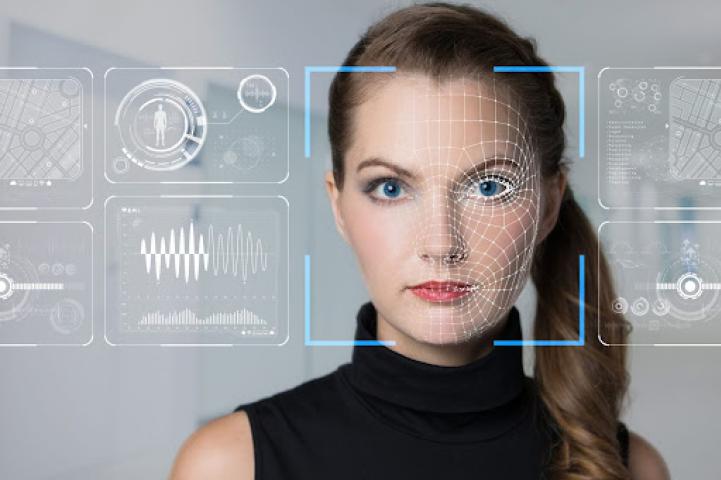
Emotion recognition software solutions use AI to detect human emotions. They analyze signals like facial expressions, voice modulation, text sentiment, and behavioral cues.
These systems do not read minds. They interpret patterns. For example, tone analysis may detect stress. Facial analysis may identify confusion or delight.
For businesses, this insight is powerful. It helps personalize interactions. It improves support. It enhances product design.
Modern emotion recognition software solutions focus on accuracy and context. Emotions are complex, and good systems account for cultural and situational differences.
The goal is not surveillance. The goal is understanding.
Why Emotion AI Matters in 2026
Digital interactions dominate customer journeys. But screens reduce human cues. Brands lose the ability to “read the room.”
Emotion recognition software solutions bring back that awareness. They add emotional context to digital communication.
In 2026, personalization goes beyond names and preferences. It includes emotional awareness. Businesses that sense mood can adjust responses.
For example, a support system detecting frustration can escalate faster. A learning app sensing confusion can adjust pace.
These applications show how emotion recognition software solutions improve experiences.
Emotional intelligence is becoming a business differentiator.
The Technology Architecture Behind Emotion Recognition
Emotion AI relies on a layered architecture. Each layer plays a role.
First comes data capture. Cameras, microphones, or text inputs collect signals. This creates the raw input.
Next is signal processing. Visual or audio data is cleaned and structured. Noise is reduced.
Then AI models analyze patterns. They match cues to emotional indicators. Machine learning improves accuracy over time.
Finally, insights are delivered to applications. Dashboards or systems respond in real time.
Strong emotion recognition software solutions focus on privacy and security. Ethical data handling is essential.
A reliable architecture ensures performance and trust.
The Importance of Ethical Use
Emotion data is sensitive. Responsible use is critical.
Companies using emotion recognition software solutions must prioritize consent and transparency. Customers should know how data is used.
Ethical frameworks protect trust. Without trust, even the best technology fails.
Businesses adopting emotion AI must balance innovation with responsibility. This builds long-term credibility.
Real Business Impact
Emotion insights can transform interactions. Support teams resolve issues faster. Marketing becomes more empathetic. Products become more user-friendly.
Businesses using emotion recognition software solutions often see higher engagement. Customers feel understood.
Employee training also benefits. Emotion-aware tools help improve communication and collaboration.
These gains may seem small individually, but together they create meaningful growth.
Emotion AI turns feelings into actionable insight.
The Human Role Still Matters
AI can detect signals, but humans interpret meaning. Context matters. Culture matters.
Emotion recognition software solutions work best when combined with human judgment. Technology supports empathy, it does not replace it.
Businesses that maintain this balance see the strongest results.
How Appinventiv Supports Emotion AI Development
Building emotion-aware systems requires expertise in AI, data processing, and secure architecture. Many organizations struggle with integration and compliance.
Appinventiv helps businesses design and deploy AI-powered solutions tailored to their goals. This includes emotion-aware applications that respect privacy and deliver value.
The focus is on practical outcomes. Not just technology, but meaningful customer experiences.
For companies exploring emotion recognition software solutions, the right technical partner simplifies adoption and scaling.
The Future of Emotion AI
Emotion AI will continue evolving. Accuracy will improve. Context awareness will deepen. Integration will expand.
Emotion recognition software solutions will likely become part of customer experience strategies. They will support personalization and service quality.
Businesses that adopt thoughtfully can gain an advantage. Those that rush without ethics risk backlash.
The future belongs to companies that use emotion AI responsibly.
Final Thoughts
Understanding customers emotionally is no longer optional. It is becoming a competitive factor.
Emotion recognition software solutions help businesses move beyond surface-level data. They reveal how customers truly feel.
When used ethically and strategically, this technology strengthens relationships. It builds loyalty. It improves decisions.
Emotion AI is not about replacing humans. It is about helping businesses be more human.
FAQs
What are emotion recognition software solutions?
They are AI systems that detect emotions using facial, voice, or text analysis.
Are these solutions accurate?
Accuracy depends on data quality and context. Modern systems continue to improve.
Is emotion recognition ethical?
Yes, when used with consent, transparency, and privacy safeguards.
Which industries benefit most?
Retail, healthcare, education, and customer service often see strong value.
How can businesses start?
Start with clear goals and responsible data practices.