In today’s digital-first world, understanding customer behavior is no longer enough. Businesses are now focusing on understanding customer emotions—the feelings that influence buying decisions, brand loyalty, engagement levels, and overall satisfaction. This shift has given rise to emotion recognition software solutions, an advanced AI-driven technology designed to detect, analyze, and interpret human emotions through facial expressions, voice tone, text, and behavioral cues.
Emotion recognition software combines artificial intelligence, machine learning, computer vision, and natural language processing to decode emotional signals in real time. By turning human reactions into actionable insights, organizations can create more personalized, responsive, and emotionally intelligent experiences.
What Is Emotion Recognition Software?
Emotion recognition software is an AI-based system that identifies emotional states such as happiness, anger, frustration, surprise, fear, or sadness by analyzing data inputs. These inputs may include facial expressions captured through cameras, voice patterns in audio recordings, text sentiment in messages, or even physiological signals from wearable devices.
Using deep learning algorithms trained on extensive datasets, the software recognizes subtle patterns that humans may overlook. For example, micro-expressions in facial muscles or variations in speech tempo can indicate underlying emotional states. The system processes these cues instantly, providing organizations with real-time emotional analytics.
Why Emotion Intelligence Matters in Business
Emotions drive decision-making. Studies in behavioral science consistently show that purchasing decisions, brand preferences, and customer loyalty are heavily influenced by emotional responses rather than pure logic.
Traditional analytics measure what customers do—clicks, purchases, time spent on a page. Emotion recognition technology reveals why they behave that way. Understanding emotional triggers helps companies optimize experiences, improve products, and refine communication strategies.
For customer-centric organizations, emotion recognition software provides a deeper layer of intelligence that bridges the gap between data and empathy.
How Emotion Recognition Software Works
Emotion recognition systems operate through a multi-step process that integrates several AI technologies.
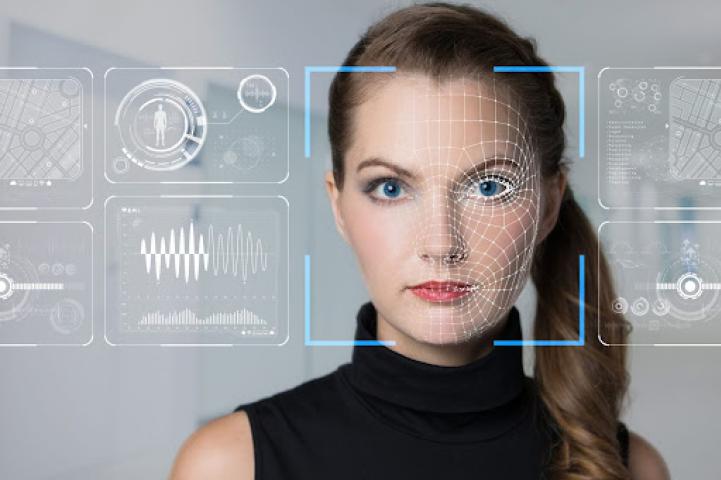
First, data is collected from various sources such as live video feeds, recorded calls, chat transcripts, or social media content. Computer vision algorithms analyze facial expressions by mapping facial landmarks and muscle movements. Voice analytics models examine tone, pitch, speed, and intensity of speech.
Natural language processing evaluates written or spoken words to detect sentiment, context, and emotional tone. Machine learning models then classify the emotional state based on probability scoring. Over time, continuous learning improves model accuracy and contextual understanding.
This layered approach ensures comprehensive emotional insights across multiple communication channels.
Key Features of Emotion Recognition Software Solutions
Modern emotion recognition platforms offer a range of capabilities designed for enterprise use.
Real-time emotion detection enables instant analysis during customer interactions, whether through video calls, chatbots, or in-store kiosks. Multimodal analysis combines facial, vocal, and textual cues to improve reliability and reduce misinterpretation.
Advanced dashboards provide visual analytics and trend reports, helping businesses identify recurring emotional patterns. Integration capabilities allow seamless connectivity with CRM systems, marketing platforms, and customer support tools.
Security and compliance frameworks ensure data privacy and responsible AI deployment, which is critical when dealing with biometric and behavioral data.
Applications Across Industries
Emotion recognition software solutions are gaining traction across multiple sectors due to their versatility and strategic value.
In retail and e-commerce, businesses analyze customer reactions to advertisements, product displays, and online browsing experiences. By identifying emotional engagement levels, brands can refine marketing strategies and improve personalization.
In banking and financial services, emotion recognition supports fraud detection and customer service optimization. For example, voice emotion analysis can detect stress or anxiety during calls, prompting proactive support.
Healthcare providers use emotion recognition to monitor patient mental health and emotional well-being. AI systems can identify signs of depression or distress through speech and facial analysis, enabling early intervention.
In education, emotion-aware platforms track student engagement levels during online learning sessions. Educators can adapt teaching methods based on real-time emotional feedback.
Call centers and customer support teams leverage emotion detection to improve service quality. Supervisors receive alerts when customers show frustration, allowing timely escalation and resolution.
Enhancing Customer Experience with Emotional Insights
One of the most impactful benefits of emotion recognition software is enhanced customer experience. When businesses understand emotional context, they can tailor interactions accordingly.
For instance, AI-powered chatbots can adjust tone and response >
This emotional intelligence fosters trust and strengthens long-term customer relationships.
Supporting Employee Engagement and Workplace Insights
Emotion recognition is not limited to customer-facing applications. Organizations are also using it internally to monitor employee engagement and workplace well-being.
AI tools analyze communication patterns in virtual meetings to assess team morale. HR departments can identify burnout risks through sentiment analysis in internal communications. By understanding emotional dynamics, companies can foster healthier and more productive work environments.
Ethical Considerations and Data Privacy
Because emotion recognition software deals with sensitive biometric and behavioral data, ethical deployment is critical. Organizations must ensure transparency in data collection and obtain proper user consent.
Strong encryption, anonymization techniques, and compliance with data protection regulations are essential components of responsible implementation. Additionally, AI models must be continuously monitored to prevent bias or misclassification.
Responsible AI governance ensures that emotion recognition technology enhances experiences without compromising individual rights.
Implementation Challenges
Despite its benefits, implementing emotion recognition software can present challenges. High-quality data is necessary for accurate analysis. Poor lighting conditions, background noise, or incomplete datasets can affect model performance.
Integration with legacy systems may require architectural adjustments. Skilled AI engineers and data scientists are needed to train, optimize, and maintain models. Organizations must also manage public perception and communicate the value of emotion recognition clearly to stakeholders.
Strategic planning and expert guidance can help overcome these obstacles effectively.
The Role of AI Development Partners
Deploying enterprise-grade emotion recognition solutions requires technical expertise and scalable infrastructure. Many organizations collaborate with experienced AI development firms to design customized platforms tailored to their business objectives.
Companies such as Appinventiv assist enterprises in building secure, compliant, and scalable emotion recognition software solutions. From model development and integration to deployment and optimization, strategic partners ensure successful implementation aligned with long-term digital transformation goals.
The Future of Emotion Recognition Technology
The future of emotion recognition software lies in deeper contextual intelligence and multimodal integration. Emerging systems will combine facial analysis, voice recognition, physiological signals, and behavioral data to produce even more accurate emotional insights.
Advancements in edge computing will enable real-time emotion detection on devices without relying solely on cloud processing. AI models will become more adaptive, learning cultural nuances and contextual variations in emotional expression.
As artificial intelligence continues to evolve, emotion recognition will play a central role in creating human-centric digital ecosystems where technology understands not just actions—but feelings.
Conclusion
Emotion recognition software solutions are redefining how businesses connect with customers and employees. By translating emotional signals into actionable insights, organizations can deliver personalized experiences, improve engagement, and make data-driven decisions grounded in empathy.
As industries increasingly prioritize customer-centric innovation, emotion-aware technologies will become a strategic asset rather than a novelty. Companies that invest in responsible and intelligent emotion recognition systems today position themselves at the forefront of experiential transformation.
In a world where emotions drive decisions, the ability to understand and respond to them intelligently is becoming one of the most powerful competitive advantages.
Also Read - Ai strategy for business