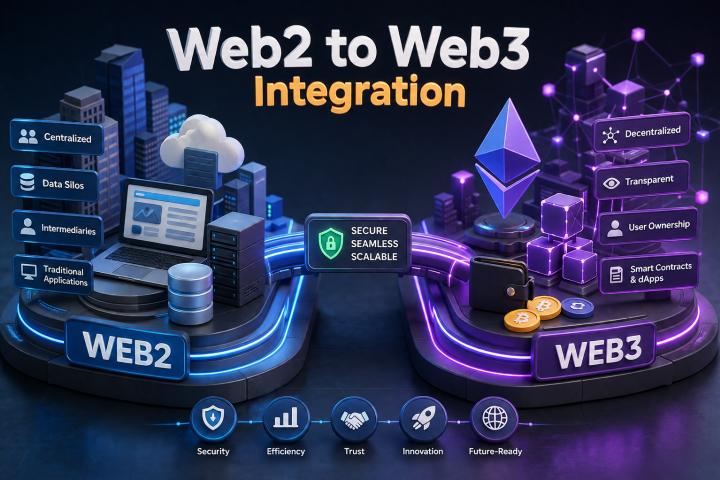

In today’s digital economy, trust has become a critical business asset. Enterprises operate across complex ecosystems involving customers, partners, regulators, and third-party service providers. Traditional centralized systems often struggle to deliver transparency, data integrity, and accountability at scale. This is where blockchain technology plays a transformative role.
A professional blockchain development company helps enterprises design and deploy trust-driven systems by leveraging decentralization, cryptographic security, and immutable data structures. Rather than relying on intermediaries or manual verification processes, enterprises can embed trust directly into their digital infrastructure.
Understanding Trust-Driven Systems in Enterprise Environments
Trust-driven systems are digital platforms where transparency, security, and data authenticity are built into the core architecture. These systems ensure that transactions, records, and processes can be independently verified without relying on a single controlling authority.
For enterprises, this translates into reduced fraud, improved compliance, faster reconciliation, and stronger stakeholder confidence. Blockchain enables these outcomes by providing shared ledgers, tamper-resistant records, and automated execution through smart contracts.
A blockchain development company plays a crucial role in aligning these technical capabilities with real-world enterprise requirements.
Designing Transparent and Immutable Data Architecture
One of the primary ways a blockchain development company builds trust is by implementing immutable data architectures. Every transaction or data update recorded on a blockchain is cryptographically linked to previous records, making unauthorized alterations practically impossible.
For enterprises handling sensitive data such as financial records, supply chain logs, or customer identities, this immutability creates a single source of truth. Stakeholders can audit records in real time, reducing disputes and enhancing transparency across departments and partners.
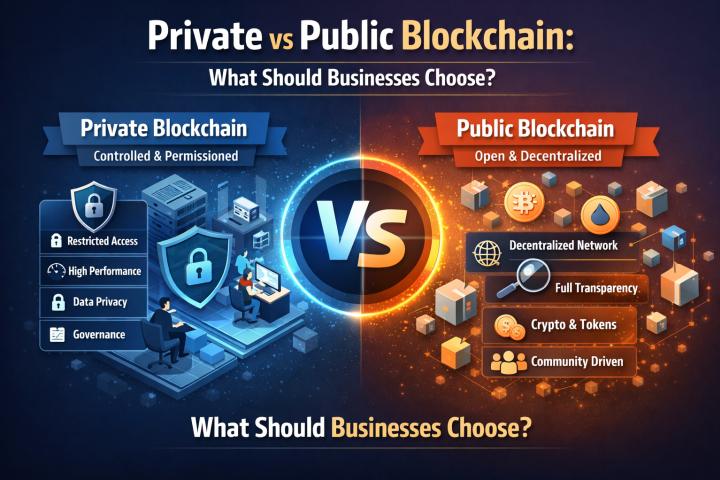
Blockchain development experts carefully design permissioned or public blockchain models based on enterprise privacy and access control needs, ensuring transparency without compromising confidentiality.
Smart Contracts for Automated and Trustless Execution
Smart contracts are self-executing programs that run on blockchain networks based on predefined conditions. A blockchain development company helps enterprises replace manual approval workflows with automated, rule-based execution.
This automation eliminates human bias, reduces operational errors, and ensures that agreements are enforced exactly as programmed. Whether it is payment settlement, compliance checks, or service level enforcement, smart contracts create predictable and verifiable outcomes.
Enterprises benefit from faster operations and increased trust among partners, as all parties can independently verify contract logic and execution.
Strengthening Security Through Decentralization
Centralized systems are vulnerable to data breaches, system failures, and insider manipulation. Blockchain introduces a decentralized architecture, distributing data across multiple nodes instead of storing it in a single location.
A blockchain development company designs secure network structures that minimize single points of failure. Cryptographic encryption, consensus mechanisms, and multi-signature access controls work together to protect enterprise data.
This decentralized security model builds confidence among customers and regulators, especially in industries such as finance, healthcare, and logistics, where data integrity is critical.
Enabling Verifiable Identity and Access Management
Digital identity is a cornerstone of trust-driven systems. Blockchain development companies help enterprises implement decentralized identity solutions that give users control over their credentials while maintaining verifiability.
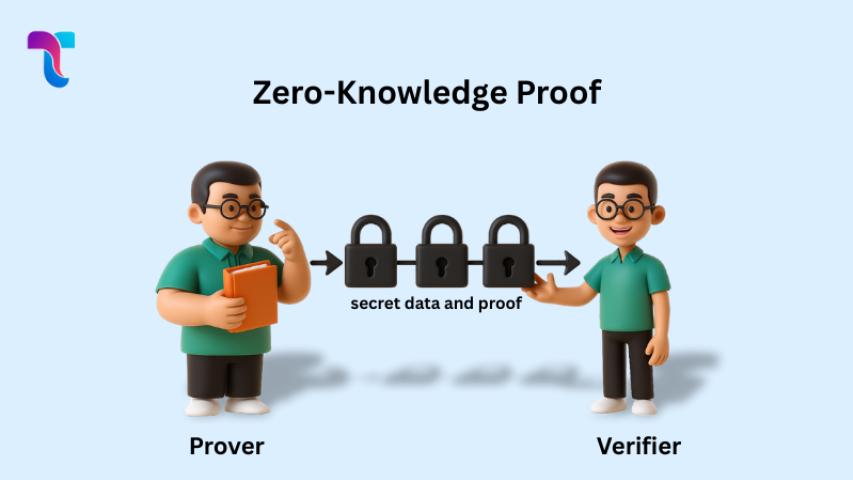
Instead of storing sensitive identity data in centralized databases, enterprises can use blockchain-based identity frameworks where credentials are cryptographically validated without exposing raw personal data. This approach reduces identity fraud, enhances privacy, and supports regulatory compliance.
For enterprises, verifiable identity systems also streamline onboarding processes and improve customer trust.
Enhancing Compliance and Auditability
Regulatory compliance often requires detailed reporting, traceability, and audit readiness. Blockchain naturally supports these requirements by maintaining transparent and time-stamped records of every transaction.
A blockchain development company ensures that enterprise systems are designed with compliance in mind. This includes implementing audit-friendly data structures, permission controls, and reporting layers that align with regulatory standards such as KYC, AML, and data protection laws.
Auditors and regulators can access verifiable records without disrupting business operations, reducing compliance costs, and improving governance.
Building Trust Across Multi-Party Ecosystems
Modern enterprises rarely operate in isolation. They interact with suppliers, distributors, financial institutions, and service providers across global networks. Blockchain enables shared platforms where all participants access the same verified data.
Blockchain development companies design consortium and enterprise blockchain solutions that support multi-party collaboration without requiring full trust between participants. Consensus mechanisms ensure that no single party can manipulate records, fostering trust across the ecosystem.
This capability is especially valuable in supply chain management, trade finance, and cross-border transactions.
Customization for Enterprise Scale and Performance
Trust-driven systems must also be scalable and performant. A blockchain development company evaluates enterprise transaction volumes, latency requirements, and integration needs before selecting the appropriate blockchain framework.
Through custom architecture design, layer two solutions, and enterprise-grade infrastructure, blockchain developers ensure that trust does not come at the cost of performance. Seamless integration with existing enterprise systems, such as ERP and CRM platforms,s further enhances adoption.
Conclusion
Trust has become a core requirement for enterprise digital systems, not just a competitive advantage. Blockchain enables organizations to build transparent, secure, and verifiable platforms through immutable data, smart contract automation, decentralized security, and audit-ready infrastructure. When implemented correctly, these capabilities reduce risk, improve accountability, and strengthen confidence across customers, partners, and regulators.
Softean, as one of the best blockchain development companies, helps enterprises design and deploy trust-driven systems aligned with real business needs. With a focus on security, scalability, and compliance, Softean supports organizations in building reliable blockchain solutions that foster long-term trust and sustainable digital growth.