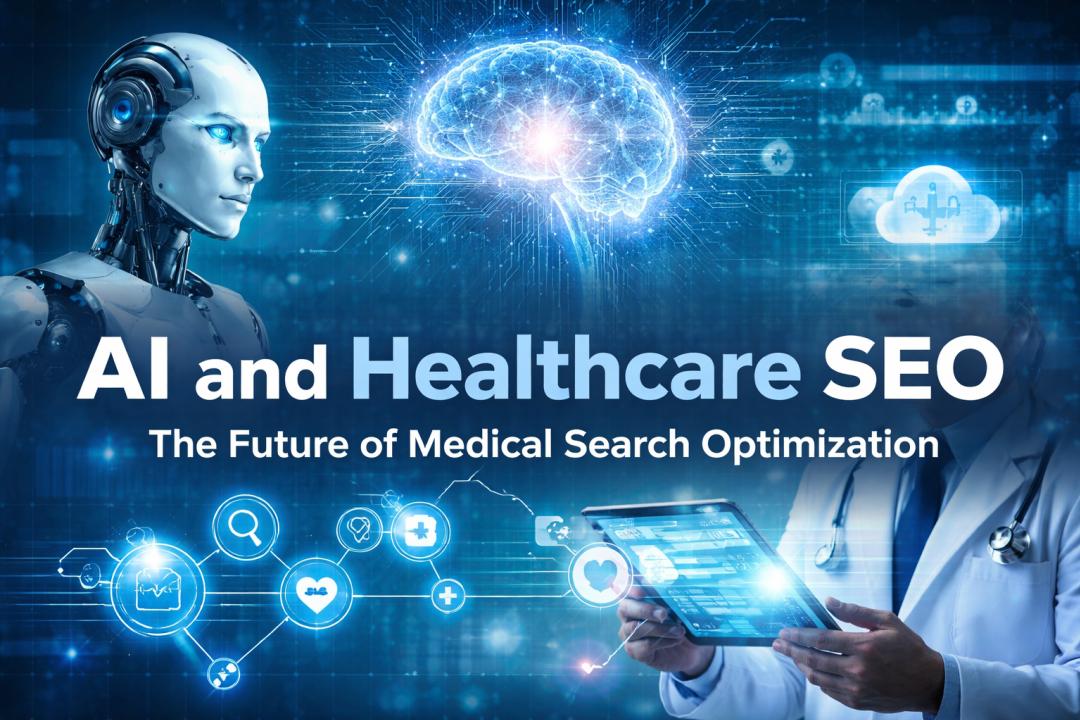
The healthcare industry is experiencing a significant digital transformation. Patients no longer rely only on referrals or traditional advertisements to find doctors, clinics, or medical treatments. Instead, they search online for symptoms, treatments, nearby hospitals, and specialist doctors before making healthcare decisions. With the rapid growth of artificial intelligence in search engines, the way people discover medical information is evolving faster than ever.
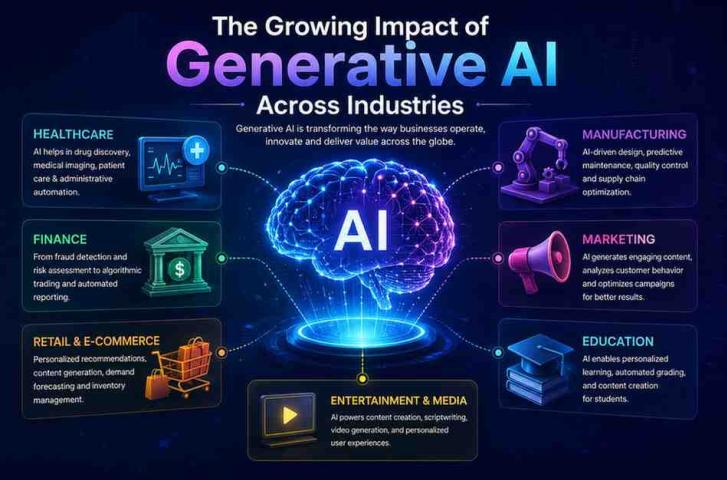
Artificial intelligence is reshaping how search engines understand content, interpret user intent, and deliver results. Search platforms now use advanced machine learning models to provide more accurate, personalized, and conversational answers to users. As a result, healthcare organizations must rethink their digital marketing strategies to remain visible and competitive in search results. In this evolving landscape, Generative Engine Optimization Services are becoming essential for businesses looking to optimize their content for AI-powered search experiences and generative search platforms.
This article explores how AI is changing healthcare search, the importance of SEO in the medical industry, and how healthcare organizations can prepare for the future of AI-driven search optimization.
The Growing Importance of Digital Visibility in Healthcare
Patients today are more informed and proactive when it comes to their health decisions. According to multiple industry reports, the majority of patients search online before booking an appointment with a healthcare provider. They look for information about symptoms, treatment options, patient reviews, doctor credentials, and hospital facilities.
Because of this behavior, search engines have become one of the most important patient acquisition channels for healthcare providers. If a clinic, hospital, or healthcare organization does not appear in relevant search results, potential patients may never discover their services.
Search visibility has therefore become a critical factor for healthcare growth. A strong online presence allows medical institutions to build trust, educate patients, and attract more qualified inquiries. However, achieving this visibility requires a strategic approach that combines high-quality content, technical optimization, and search engine expertise.
How Artificial Intelligence Is Transforming Search Engines?
Search engines have evolved dramatically over the past decade. Early search algorithms relied heavily on simple keyword matching to display results. Today, AI-driven algorithms analyze context, user behavior, search intent, and content quality to provide more meaningful answers.
Modern search engines can now:
- Understand natural language queries
- Identify medical intent behind patient searches
- Evaluate the credibility of health information
- Deliver conversational responses through AI-powered interfaces
Instead of showing only a list of links, search engines increasingly generate summarized answers, recommendations, and contextual insights directly on the results page.
This shift toward AI-generated search results means healthcare websites must provide highly structured, authoritative, and contextually relevant content. Websites that fail to meet these requirements may struggle to maintain visibility in modern search environments.
What Is AI-Powered Medical Search?
AI-powered medical search refers to the use of artificial intelligence technologies to interpret healthcare-related queries and deliver relevant information to users. These systems analyze large volumes of medical data, research publications, and online content to generate accurate responses.
When patients search for health-related topics, AI systems evaluate multiple factors such as:
- Medical credibility of the content
- Expertise of the author or organization
- Relevance to the user's search intent
- Accuracy and reliability of the information
This process allows search engines to prioritize trustworthy healthcare sources while reducing the visibility of misleading or low-quality medical content.
As a result, healthcare organizations must demonstrate strong expertise, authority, and trustworthiness through their digital content.
The Role of AI in Healthcare Content Discovery
Artificial intelligence is also transforming how patients discover healthcare information online. Instead of manually browsing multiple websites, users can now interact with AI-powered tools that provide direct answers to medical questions.
Examples of AI-driven discovery include:
- Conversational search assistants
- Voice search queries
- AI-generated summaries of medical topics
- Smart recommendations based on user intent
These technologies make it easier for patients to access health information quickly. However, they also create new challenges for healthcare websites because search engines may display answers without requiring users to visit external pages.
To remain visible in this environment, healthcare content must be optimized not only for traditional search rankings but also for AI-driven knowledge systems.
Why SEO Remains Critical for Healthcare Websites?
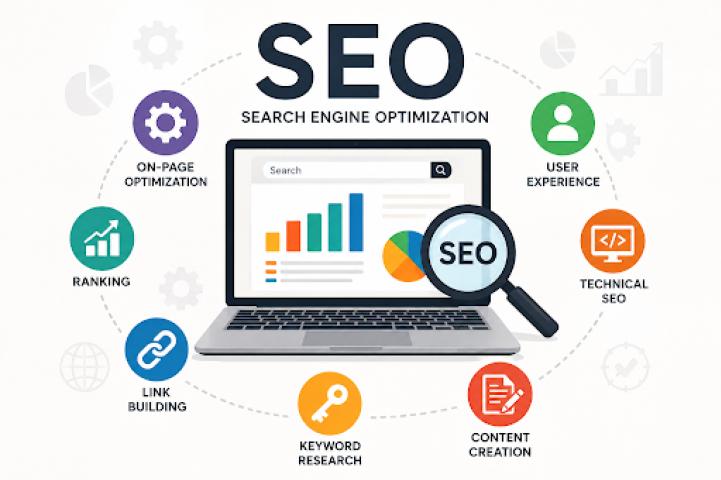
Despite the rapid advancements in artificial intelligence, search engine optimization continues to play a vital role in healthcare marketing. SEO ensures that healthcare websites are structured, optimized, and aligned with search engine guidelines.
Effective Healthcare SEO Services help medical organizations improve their visibility by optimizing various aspects of their digital presence, including:
- Website structure and technical performance
- High-quality medical content
- Keyword optimization for patient search intent
- Local search visibility for clinics and hospitals
- Mobile-friendly website design
- Secure and fast-loading pages
These optimization strategies help healthcare websites rank higher in search results and attract more relevant traffic.
The Importance of Expertise and Trust in Medical Content
Healthcare content is categorized as highly sensitive information because inaccurate medical advice can have serious consequences. Search engines therefore apply stricter standards to health-related websites.
Medical websites must demonstrate:
- Professional expertise
- Authoritative sources
- Accurate and evidence-based information
- Transparent author credentials
- Reliable medical references
Search engines evaluate these factors to determine whether a website provides trustworthy medical information. Healthcare organizations that consistently publish credible and well-researched content are more likely to earn higher rankings and long-term visibility.
Voice Search and AI Assistants in Healthcare
Voice search has become increasingly popular as users interact with smart devices and digital assistants. Patients frequently use voice queries to search for nearby hospitals, emergency care, or treatment options.
Examples of voice search queries include:
- “Find a pediatrician near me”
- “Best treatment for migraine headaches”
- “Symptoms of vitamin deficiency”
Voice searches are typically longer and more conversational than traditional text queries. Healthcare websites must therefore optimize their content for natural language questions and patient-focused topics.
Creating FAQ sections, conversational content, and structured answers can significantly improve visibility in voice search results.
The Rise of Conversational and Generative Search
Generative search represents the next stage of search engine evolution. Instead of simply indexing web pages, search engines can now generate comprehensive responses based on multiple information sources.
These responses often appear as AI-generated summaries that provide immediate answers to user queries. While this improves the search experience for users, it also changes how websites receive traffic.
To remain competitive in this environment, healthcare organizations must focus on creating content that AI systems can easily understand, analyze, and reference.
Optimized content structures, semantic relevance, and authoritative information become essential for appearing in generative search results.
Key Strategies for AI-Driven Healthcare SEO
Healthcare organizations can adopt several strategies to succeed in the era of AI-powered search.
1. Create High-Quality Medical Content
Content should focus on patient education and accurate medical information. Articles should address common health concerns, treatment options, and preventative care.
2. Optimize for Patient Search Intent
Understanding what patients are searching for allows healthcare providers to create relevant content that directly answers their questions.
3. Use Structured Data
Structured data helps search engines better understand medical information and display rich search results.
4. Improve Website Technical Performance
Fast-loading websites, mobile optimization, and secure browsing experiences contribute to higher search rankings.
5. Focus on Local Search Optimization
Local SEO ensures that healthcare providers appear in searches related to nearby clinics, hospitals, and healthcare services.
6. Build Authoritative Medical Backlinks
Links from reputable medical institutions, health organizations, and research platforms improve website credibility.
Challenges of AI in Healthcare Search
While AI provides many benefits, it also introduces several challenges for healthcare organizations.
One major challenge is the increasing competition for visibility in search results. AI systems prioritize high-quality sources, which means websites with weak content strategies may struggle to rank.
Another challenge is the rapid pace of technological change. Search algorithms and AI systems continue to evolve, requiring healthcare marketers to stay updated with the latest digital trends.
Healthcare organizations must therefore adopt flexible and future-focused SEO strategies.
The Future of Healthcare Search Optimization
The future of healthcare search will likely involve deeper integration between artificial intelligence, machine learning, and medical information systems. Search engines will continue to refine their ability to interpret complex health queries and deliver personalized answers.
Healthcare websites that adapt early to these changes will have a strong advantage in digital visibility. Organizations that invest in high-quality medical content, AI-ready website structures, and advanced SEO strategies will be better positioned to attract patients online.
As search technologies continue to evolve, healthcare providers must prioritize both patient experience and search engine optimization to maintain a competitive digital presence.
Conclusion
Artificial intelligence is reshaping how patients search for healthcare information and how search engines deliver results. From conversational search interfaces to AI-generated summaries, the digital healthcare landscape is undergoing a major transformation.
Healthcare organizations must adapt to these changes by embracing advanced search optimization strategies, improving content quality, and aligning with AI-driven search technologies. By doing so, they can ensure their websites remain visible, authoritative, and accessible to patients seeking medical information online.
The future of medical search will be defined by intelligent algorithms, trusted information sources, and patient-focused digital experiences. Healthcare providers that prepare for this shift today will be better equipped to succeed in the rapidly evolving world of AI-powered healthcare search.