Enterprise networks form the backbone of modern organizations, supporting business applications, communication systems, and data exchange. Because these networks handle sensitive information and critical operations, protecting them from cyber threats has become a top priority. For professionals preparing for advanced networking certifications, understanding infrastructure security is essential. Many learners pursuing CCIE Enterprise Infrastructure Training focus on mastering the core principles that help secure enterprise network environments.
Infrastructure security focuses on protecting networking devices, communication channels, and access points from unauthorized activity or attacks. It involves implementing policies, technologies, and best practices that safeguard routers, switches, network services, and management systems. In the context of enterprise networking, strong infrastructure security helps ensure network availability, confidentiality, and data integrity.
This article explores the fundamental concepts of infrastructure security that are important for engineers preparing for the CCIE Enterprise Infrastructure certification.
Understanding Infrastructure Security in Enterprise Networks
Infrastructure security refers to the set of measures used to protect the physical and logical components of a network. These components include routers, switches, wireless controllers, servers, and other devices that manage and transmit network traffic.
In enterprise environments, these devices are often distributed across multiple locations such as data centers, branch offices, and remote sites. Because of this complexity, securing the underlying infrastructure becomes critical for maintaining network stability and preventing security breaches.
Infrastructure security focuses on several key objectives:
Protecting network devices from unauthorized access
Ensuring secure communication between network components
Preventing malicious traffic from entering the network
Monitoring and detecting suspicious network activity
Engineers responsible for enterprise networks must implement multiple layers of protection to defend against potential threats.
Importance of Infrastructure Security for Enterprise Networks
Modern organizations rely heavily on digital systems for business operations. Without proper infrastructure security, networks can become vulnerable to various threats such as unauthorized access, data breaches, or service disruptions.
Strong infrastructure security helps organizations achieve several important goals:
Network Availability
Ensuring that critical network services remain operational and accessible to authorized users.
Data Protection
Preventing sensitive information from being intercepted or manipulated during transmission.
Access Control
Ensuring that only authorized individuals and systems can interact with network resources.
Threat Prevention
Blocking malicious traffic, malware, and unauthorized devices from entering the network.
These goals form the foundation of secure enterprise network design.
Securing Network Devices
Routers and switches play a crucial role in directing traffic across enterprise networks. Because they control the flow of data, these devices must be protected from unauthorized access.
Basic device security practices include:
Strong Authentication
Access to network devices should be restricted using strong authentication methods. Administrators typically configure secure login mechanisms that require verified credentials before granting access.
Role-Based Access Control
Role-based access allows administrators to define specific permissions for different users. This ensures that individuals only have access to the functions necessary for their role.
Secure Management Protocols
Network devices should be managed using encrypted communication protocols to prevent sensitive information from being intercepted. Secure management helps protect administrative credentials and configuration data.
Control Plane Protection
The control plane of a network device handles routing updates, protocol communication, and system management tasks. Because it is responsible for critical operations, it must be protected from malicious traffic or attacks.
Control plane protection mechanisms help prevent attackers from overwhelming the device with excessive traffic or malformed packets. These security features ensure that legitimate routing protocols and management operations continue functioning properly.
By limiting and filtering control plane traffic, engineers can maintain stable and reliable network performance.
Data Plane Security
The data plane is responsible for forwarding user traffic across the network. Securing this layer helps prevent unauthorized data transmission and malicious activity.
Techniques used to secure the data plane include:
Traffic filtering using access control lists
Network segmentation
Traffic inspection and monitoring
These methods help ensure that only permitted traffic flows through the network and that suspicious packets can be identified and blocked.
Network Segmentation
Network segmentation is a key security strategy used in enterprise environments. It involves dividing a large network into smaller segments or zones to limit the spread of potential threats.
Each segment can have its own security policies and access controls. This approach provides several benefits:
Reduces the risk of lateral movement by attackers
Limits access to sensitive systems
Improves monitoring and control of network traffic
Segmentation can be implemented using technologies such as VLANs, routing policies, and firewall rules.
Infrastructure Access Control
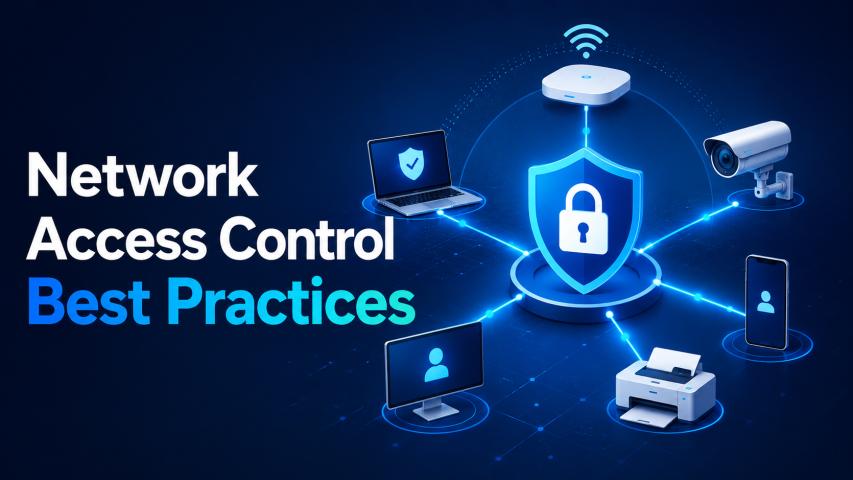
Controlling access to the network infrastructure is another important aspect of security. Infrastructure access control ensures that only authorized devices and users can connect to the network.
Some common access control mechanisms include:
Network Authentication
Authentication systems verify the identity of users and devices before granting network access.
Policy-Based Access
Network policies determine what resources a user or device can access once authenticated.
Secure Remote Access
Remote administrators often need secure methods to access enterprise networks from external locations. Secure remote access technologies help protect administrative sessions from interception.
These measures help maintain the integrity of enterprise network environments.
Monitoring and Threat Detection
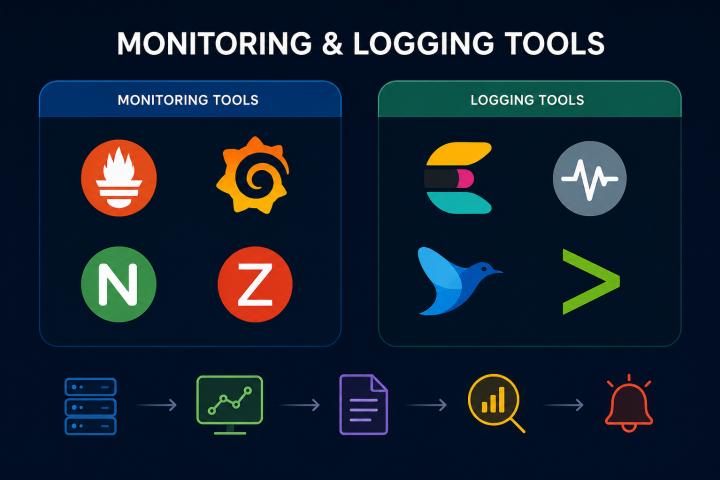
Even with strong security controls in place, continuous monitoring is essential for detecting suspicious activity. Monitoring systems collect and analyze network data to identify potential threats.
Effective monitoring strategies include:
Logging network events and system activities
Analyzing traffic patterns
Detecting abnormal behavior or unauthorized access attempts
Security monitoring helps network teams respond quickly to incidents and maintain network stability.
Infrastructure Hardening
Infrastructure hardening involves reducing the attack surface of network devices by disabling unnecessary services and applying secure configurations.
Common hardening practices include:
Disabling unused ports and services
Applying regular security updates
Restricting management access
Enforcing strong password policies
These steps make it more difficult for attackers to exploit vulnerabilities in network devices.
The Role of Automation in Infrastructure Security
Automation is becoming increasingly important in enterprise network security. Automated tools help administrators deploy configurations, enforce security policies, and monitor network activity more efficiently.
Automation can support infrastructure security by:
Automatically applying configuration templates
Detecting configuration changes
Generating alerts for unusual activity
Streamlining compliance monitoring
By reducing manual tasks, automation helps improve both security and operational efficiency.
Real-World Relevance of Infrastructure Security Skills
Infrastructure security knowledge is highly valuable for network professionals working in enterprise environments. Organizations across industries require engineers who can design and maintain secure network architectures.
Skills in infrastructure security are relevant for roles such as:
Network security engineer
Enterprise network architect
Infrastructure security specialist
Network operations engineer
Professionals with strong infrastructure security expertise are better prepared to handle complex networking challenges and evolving cybersecurity threats.
Conclusion
Infrastructure security forms a critical component of enterprise network design. By protecting routers, switches, and other networking devices, organizations can maintain reliable operations and safeguard sensitive data from potential threats.
For networking professionals preparing for advanced certifications, understanding infrastructure security fundamentals is an essential step toward building secure and resilient enterprise networks. Concepts such as device hardening, access control, network segmentation, and monitoring help create multiple layers of defense against modern cyber threats.
Developing expertise in these areas not only strengthens technical knowledge but also prepares engineers for real-world network security responsibilities. For learners seeking structured guidance and practical experience, enrolling in a CCIE Enterprise Infrastructure Course can provide deeper insights into implementing secure enterprise networking solutions.