AI didn’t politely enter the software industry. It forced its way in—through IDE plugins, automated pipelines, and decision-making layers that now sit uncomfortably close to core engineering processes. For software developers, this isn’t just a tooling upgrade. It’s a recalibration of how work gets done, measured, and scaled.
The conversation has moved past experimentation. Software development firms are operationalizing AI across the entire lifecycle—planning, coding, testing, deployment, and even post-release optimization.
Teams aligned with the best software developers in usa ecosystems are pushing this transformation faster, not because of hype, but because productivity pressure leaves no alternative.
AI Is Compressing Development Timelines Aggressively
Speed used to depend on team size. Not anymore.
AI-powered coding assistants now:
- Generate functional code blocks in seconds
- Suggest optimizations mid-development
- Eliminate repetitive boilerplate tasks
A single developer today can produce what previously required a small team.
But there’s a catch. Faster output doesn’t guarantee better systems. Poorly validated AI-generated code introduces hidden inefficiencies—logic gaps, security flaws, performance bottlenecks.
So the timeline shrinks. The responsibility expands.
Intelligent Code Assistance Is Rewriting Developer Workflows
The daily workflow of software developers looks different now. Less manual typing. More reviewing, refining, and steering AI outputs.
Modern development environments:
- Predict entire functions based on context
- Recommend architecture patterns dynamically
- Flag vulnerabilities before execution
This changes the mental model of development. Developers are no longer just writing logic—they’re supervising it.
That shift increases productivity. It also demands sharper critical thinking.
Automated Testing Is Eliminating Bottlenecks
Testing used to slow everything down. Not anymore.
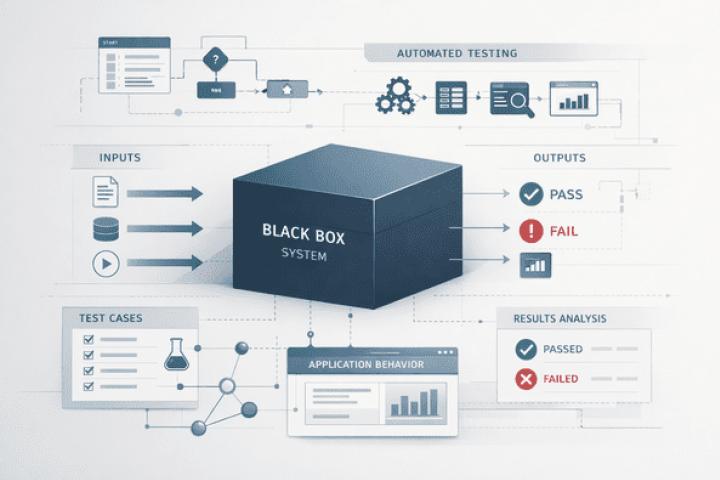
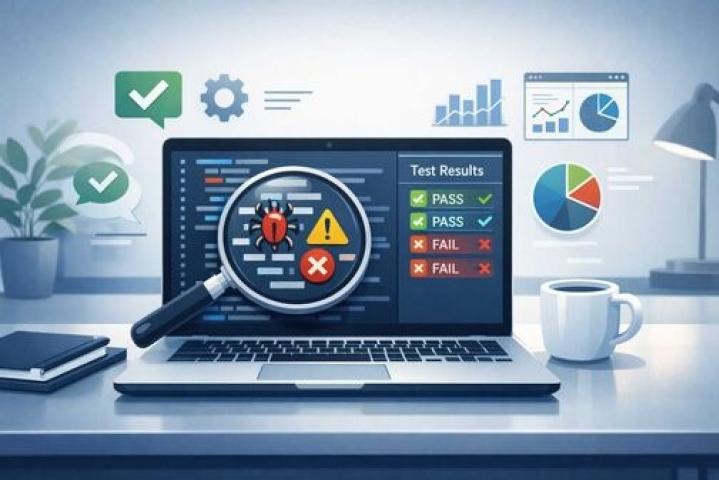
AI-driven QA tools:
- Auto-generate test cases based on code changes
- Simulate thousands of user scenarios instantly
- Identify edge cases that manual testing misses
For software development firms, this means:
- Faster release cycles
- Higher confidence in deployments
- Reduced post-launch bug fixes
But automation without oversight creates blind spots. AI testing models must be trained and continuously refined. Otherwise, they reinforce flawed assumptions at scale.
Project Management Is Becoming Data-Driven
Gut instinct is losing ground.
AI tools now analyze:
- Developer velocity
- Task completion trends
- Bottlenecks across sprints
This allows managers to:
- Predict delays before they happen
- Allocate resources more efficiently
- Adjust timelines based on real data
For software development experts, this introduces a new layer of accountability. Performance is no longer subjective—it’s measurable, visible, and continuously optimized.
AI Is Reducing Technical Debt—If Used Correctly
Technical debt doesn’t disappear. It accumulates quietly, then explodes.
AI helps by:
- Identifying redundant code
- Suggesting refactoring opportunities
- Highlighting inefficient logic patterns
This allows teams to clean as they build, rather than postponing fixes.
But misuse flips the benefit. Over-reliance on AI-generated code without proper review accelerates technical debt instead of reducing it.
The tool isn’t the solution. The discipline behind it is.
DevOps Is Becoming Autonomous
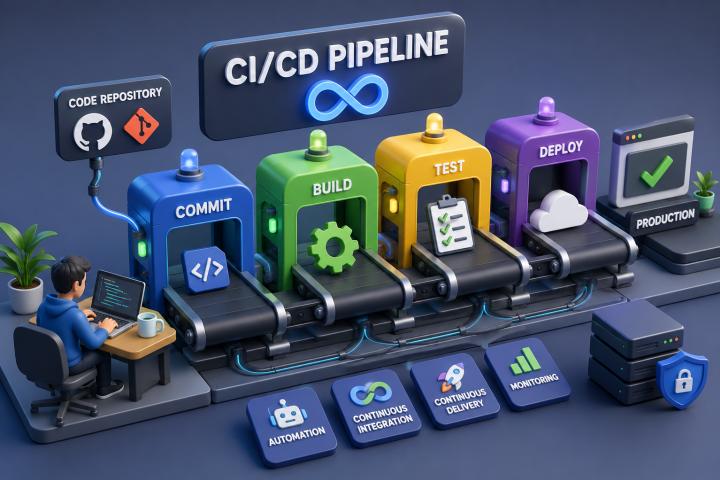
Deployment pipelines are evolving into self-regulating systems.
AI-driven DevOps tools can:
- Detect anomalies in real time
- Roll back failed deployments automatically
- Optimize resource allocation dynamically
For software development firms, this reduces downtime and operational overhead.
It also introduces a new risk—over-automation. Systems that act without clear human oversight can create cascading failures if misconfigured.
Control must remain intentional.
Knowledge Sharing Is No Longer a Bottleneck
One of the biggest inefficiencies in software teams used to be knowledge silos.
AI is changing that.
Internal AI systems can:
- Index entire codebases
- Provide instant documentation summaries
- Answer developer queries contextually
This reduces onboarding time and eliminates dependency on specific individuals.
For growing teams, especially those working with software development partners, this creates continuity and scalability.
Information becomes accessible. Not trapped.
AI Is Transforming Hiring and Skill Expectations
The definition of a “good developer” is shifting.
It’s no longer just about coding ability.
Now it includes:
- Ability to work with AI tools effectively
- Strong architectural thinking
- Critical evaluation of automated outputs
Software developers in usa are increasingly expected to operate at this higher level—less execution, more strategy.
This creates a widening gap between traditional developers and AI-augmented engineers.
Cost Efficiency Is Improving—But Not Uniformly
AI reduces certain costs:
- Development time
- Testing cycles
- Operational inefficiencies
But it introduces others:
- AI tool subscriptions
- Infrastructure for model integration
- Training and upskilling teams
For software experts, the goal isn’t cost elimination. It’s cost redistribution—spending less on repetition, more on innovation.
Companies that misunderstand this balance often see minimal gains.
Security Is Becoming Proactive, Not Reactive
Security used to be addressed late in the cycle. That’s no longer viable.
AI tools now:
- Scan code for vulnerabilities in real time
- Predict potential attack vectors
- Recommend fixes before deployment
This reduces exposure significantly.
However, AI-generated code can also introduce new vulnerabilities if blindly accepted. Security improves only when AI is paired with strict review protocols.
The Human Element Isn’t Disappearing
Despite automation, one thing remains constant—judgment.
AI can:
- Suggest
- Predict
- Automate
It cannot:
- Understand business nuance fully
- Make strategic trade-offs
- Replace human accountability
The most effective software development firms aren’t replacing developers. They’re amplifying them.
That distinction defines success.
Final Reality: Productivity Gains Depend on Discipline
AI is already embedded across modern development ecosystems. The gains are real—but uneven.
For software developers, productivity increases only when:
- AI tools are used intentionally
- Outputs are critically evaluated
- Workflows are redesigned, not just accelerated
Otherwise, inefficiency simply scales faster.
The firms seeing the biggest returns are those working closely with experienced software development partners where AI adoption is structured, measured, and continuously refined.
Because in the end, AI doesn’t make teams productive. It exposes whether they were efficient to begin with.