
In today’s fast-evolving digital economy, businesses are under constant pressure to innovate, scale, and deliver exceptional customer experiences. Traditional approaches are no longer sufficient to meet these demands. This is where artificial intelligence (AI) steps in as a transformative force.
More importantly, it’s not just AI adoption that matters it’s how effectively businesses implement it. This is why custom AI development services have become essential for organizations looking to stay competitive, agile, and future-ready.
The Growing Importance of AI in Business Strategy
AI is no longer limited to experimental projects. It has become a core component of business strategy across industries.
- Organizations are leveraging AI to:
- Automate repetitive and complex tasks
- Gain actionable insights from large datasets
- Enhance decision-making processes
- Deliver personalized customer experiences
Interestingly, the rise of AI startup ideas for business is also pushing enterprises to innovate faster, as new AI-driven startups continue to disrupt traditional markets with niche, intelligent solutions.
However, the real value of AI lies in its ability to align with specific business goals—something generic solutions often fail to achieve.
Why Generic AI Solutions Fall Short
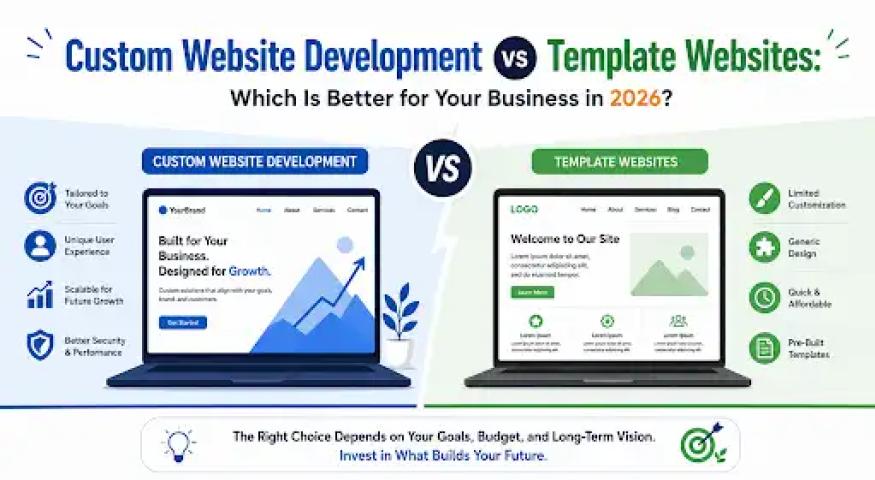
Many businesses initially adopt off-the-shelf AI tools, expecting quick results. While these tools can be useful for basic use cases, they often fail to deliver long-term value.
Key Limitations:
- Lack of flexibility for unique business requirements
- Limited scalability as the business grows
- Incompatibility with existing systems
- Inability to handle complex workflows
To overcome these challenges, enterprises are increasingly investing in tailored solutions built through custom AI development services.
Key Capabilities That Make AI Essential
AI development services are not just about building models they are about creating intelligent systems that drive business outcomes.
1. Data-Driven Decision Making
Modern businesses generate vast amounts of data. AI helps transform this data into actionable insights.
Benefits:
- Accurate forecasting
- Real-time analytics
- Improved strategic planning
2. Intelligent Automation
Automation powered by AI goes beyond simple task execution.
Use Cases:
- Workflow automation
- Customer service chatbots
- Process optimization
This reduces operational costs while improving efficiency.
3. Enhanced Customer Experience
Customer expectations are higher than ever. AI enables businesses to deliver personalized and seamless experiences.
Examples:
- Product recommendations
- Personalized marketing campaigns
- Real-time support
4. Scalability and Flexibility
As businesses grow, their technology needs evolve. AI solutions built using custom AI development services are designed to scale with the organization.
Industry Applications of AI Development Services
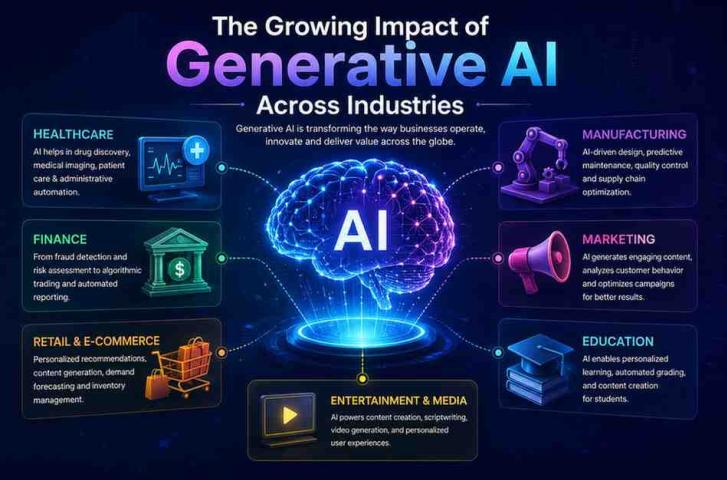
AI is transforming industries across the board.
Healthcare
- Predictive diagnostics
- Patient data analysis
- Automated administrative processes
Finance
- Fraud detection
- Risk management
- Algorithmic trading
Retail
- Demand forecasting
- Inventory optimization
- Customer personalization
Manufacturing
- Predictive maintenance
- Quality control
- Smart production systems
- Each industry requires customized AI solutions to address its unique challenges.
How Custom AI Development Drives Business Value
The real strength of AI lies in its customization. Businesses need solutions that align with their workflows, data, and goals.
Advantages of Custom AI Solutions:
- Tailored to specific business needs
- Seamless integration with existing systems
- Greater control over data and processes
- Improved performance and accuracy
This is why organizations are prioritizing custom AI development services over generic tools.
Steps to Implement AI Successfully
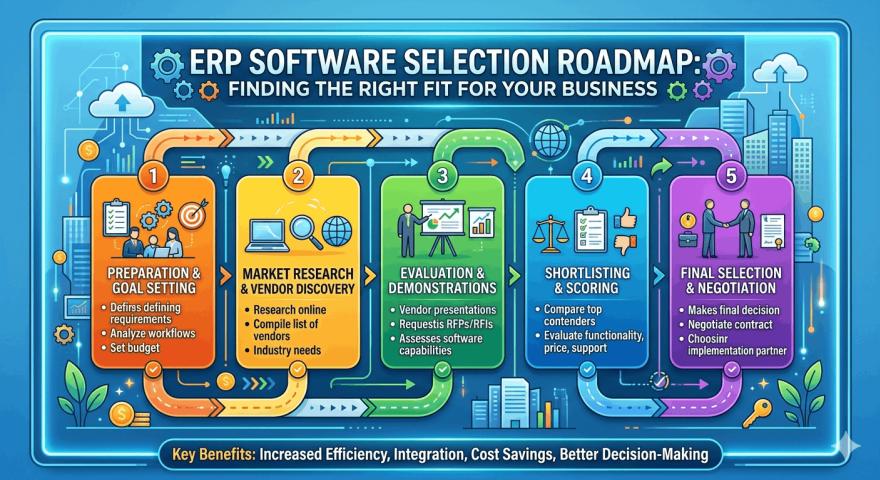
Adopting AI requires a strategic approach.
1. Identify Business Objectives
Start by defining clear goals for AI implementation.
2. Build a Strong Data Foundation
Ensure data quality, accessibility, and governance.
3. Choose the Right Technology Stack
Select tools and frameworks that align with your business needs.
4. Collaborate with Experts
Working with experienced AI providers ensures successful implementation.
5. Monitor and Optimize
Continuously evaluate AI performance and make improvements.
Challenges Businesses Must Address
Despite its benefits, AI adoption comes with challenges:
- High initial investment
- Data privacy concerns
- Integration with legacy systems
- Shortage of skilled professionals
Addressing these challenges requires careful planning and the right partnerships.
Future of AI in Business
AI is evolving rapidly, and its role in business will continue to expand.
Key Trends:
- Autonomous AI systems
- Generative AI applications
- Real-time decision-making
- Increased focus on ethical AI
Businesses that adopt AI early and strategically will gain a competitive advantage.
Conclusion
AI is no longer optional it is essential for modern businesses aiming to thrive in a competitive landscape. From improving efficiency to enabling innovation, its impact is transformative.
The key to unlocking this potential lies in building solutions that are tailored, scalable, and aligned with business objectives. By leveraging custom AI development services, organizations can create intelligent systems that drive growth, efficiency, and long-term success.