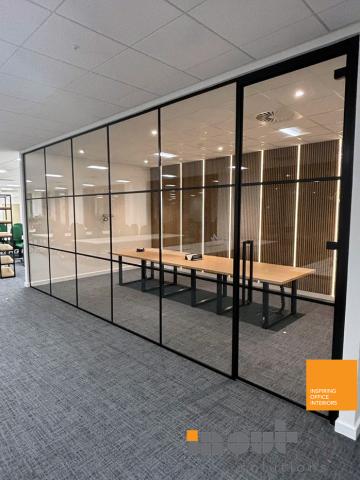
Selecting the right type of glass partition is a decision that impacts not just the look of your space but how it functions every day. Sound, privacy, light, and atmosphere are all influenced by the choice between standard and acoustic glass partitions. For commercial offices across the UK - from Leeds to Manchester - and for residential properties seeking >
Clients increasingly want spaces that balance openness with
privacy, sophistication with acoustic control. The right glass partition can
transform not only how a workspace or home looks, but how it feels - and how
people work or relax within it. This guide lays out the tangible differences,
technical realities, and decision points that set acoustic and standard glass
partitions apart for UK offices and homes.
Understanding the Importance of Acoustic Performance in Glass Partitions
Sound control is a critical factor in both workplaces and
homes. Superior acoustic performance in glass partitions isn’t just a technical
upgrade; it delivers concrete benefits in everyday life, from meetings in
offices to peaceful evenings at home.
What Noise Reduction Levels Mean in Practice
- Toughened glass partitions offer noise reduction levels of about 33-34 dB.
Normal speech and phone calls can often be heard clearly on the other
side.
- Acoustic
glass partitions can reduce noise by 38-39 dB. At this level,
conversations become unintelligible through the partition, supporting
genuine privacy and calm.
Impact on Speech Privacy and Workspace Comfort
- Enhanced
confidentiality: Acoustic partitions are invaluable in HR,
finance, and boardrooms - spaces where confidential discussion is the
norm.
- Increased
focus: Open-plan offices benefit hugely from noise control,
supporting both teamwork and concentration. Acoustic partitions help
maintain a productive environment.
- Domestic
tranquillity: In homes, glass room dividers with acoustic
properties offer separation without sacrificing light - useful in living
areas, studies, or between bedrooms.
Common Scenarios Where Acoustic Performance Is Critical
- Confidential
meetings in open-plan offices or client consultation rooms
- Healthcare
or counselling spaces needing patient privacy
- Home
offices or studies adjacent to busy living spaces
- Educational
environments separating libraries or exam rooms from communal areas
Effective choices in partitioning address these scenarios,
improving day-to-day experience for occupants.
Construction and Technology Differences Between Standard
and Acoustic Glass Partitions
The construction details behind glass partitions determine
not just aesthetics, but real-world acoustic results. Understanding these
physical differences is key to making the right choice for your setting.
Toughened Glass: Confidence in Simplicity
Single glazed partitions are cost-efficient, minimalist, and
maximise light. They’re most common where privacy is not paramount - general
offices, corridors, or residential areas not exposed to significant noise.
For added resilience and safety, Double Glazed Partitions
with Enhanced Safety offer a multi-pane structure, perfect for areas with
higher traffic or where fire-rating is a consideration.
Acoustic Glass: Engineered for Performance
- Laminated
acoustic glass combines multiple panes with a special PVB
(polyvinyl butyral) interlayer, disrupting sound vibration.
- Double
acoustic glazing uses thicker glass and larger air gaps,
preventing sound bridging.
- Precision
seals and engineered frames ensure that sound does not leak
through joints.
Superb acoustic performance doesn’t just depend on thicker
glass but on a complete system of engineered materials, installation
techniques, and thoughtful detailing.
Sound Reduction Performance Explained
Quantifying how much sound glass partitions block is key to
choosing the right system for your needs.
The Role of Doors and Openings
- Even
a highly rated wall can be compromised by standard doors or small gaps.
- Acoustic
glass doors with specialist seals are essential to maintain the
partition’s rated performance.
- Standard
hardware often lets through far more noise than the surrounding glazing.
Why Specification and Installation Matter
- Seals,
alignment, and interface with other building systems (like air
conditioning or cabling) can significantly affect real-world results.
- Only
a complete, correctly installed system - rather than piecemeal upgrades -
achieves true sound insulation.
For detailed specifications and expert options, explore our
Acoustic Glazed Partitions and Soundproofing Solutions.
Cost and Return on Investment Analysis
While acoustic partitions offer clear performance
advantages, they require a higher initial outlay. Understanding cost
differences and the long-term value helps avoid overspending or
under-specifying for your project.
Typical Cost Premium for Acoustic Partitions
- Acoustic
partitions are usually 30–50% more expensive than standard ones.
This reflects materials, specialist glass interlayers, high-performance
doors, and seals.
- For
example, if a standard glass partition system costs £2400 + VAT, an
acoustic solution with the same footprint and finish may start from
£3120–£3600 + VAT, depending on requirements.
When Is the Investment Justified?
- Offices
with confidential areas: HR, legal, financial, executive, and
meeting rooms often recoup the additional spend by avoiding costly privacy
complaints, refurbishments, or lost productivity.
- Residential
properties needing quiet separation: Upgrading to acoustic
partitions between bedrooms, studies, and living zones reduces family
disturbance.
Avoiding Costly Retrofits
- Retrofitting
acoustic features after installation is disruptive and costly. Plan for
acoustic needs before ordering any glass system.
- Correctly
specified partitions save money in the long term by preventing disruption,
refitting fees, and reputational risk.
For precise, tailored estimates, use our Glass Partitioning
Price Calculator UK and plan your budget with accuracy.
Aesthetic and Design Considerations
Choosing a partition isn’t a binary decision between
“performance” and “looks.” Both standard and acoustic systems offer extensive
visual customisation - so your interior design remains uncompromised.
Custom Finishes and Style Options
- Glass
Finishes:
- Frosted
for gentle privacy
- Tinted
or smoked for a modern or moody ambience
- Digitally
printed designs for branding or creative accents
- Framing
Options:
- Aluminium
frames for clean, minimalist lines
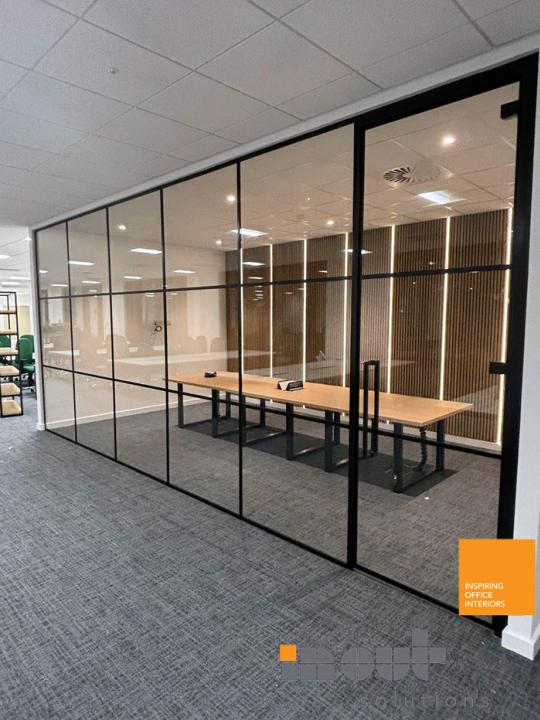
- Black framed glass for an industrial or heritage >
- Frameless
systems, almost invisible to the eye
- Door
Styles:
- Internal
Glass Doors to match or contrast glass partitioning
- Black
Framed Glass Doors for a distinctive contemporary look
- Glass
Manifestation and Window Film: Add safety markings, company
logos, or decorative effects as required
Balancing Acoustics and Style
- Acoustic
glass is typically thicker, which may subtly change its visual edge but
not its clarity or customisation potential.
- All
the finishing options available for standard glass - colour, frosting,
graphics, frame colours - are also available for acoustic systems.
- For
domestic installations, see our Internal Glass Partitions and Room
Dividers for Residential Spaces for design inspiration tailored to homes.
Great design and strong acoustics can (and should) go hand
in hand.
When to Choose Acoustic vs Standard Glass Partitions
Selecting the right system depends on the intended use of
the space. The following matrix will help guide your decision:
|
Situation
or Room |
Select
Standard Glass |
Select
Acoustic Glass |
|
Open-plan
office, walkways, breakout areas |
✔ |
|
|
Staff
canteen, kitchenette |
✔ |
|
|
Executive
office, private boardroom |
✔ |
|
|
HR,
legal, or finance department rooms |
✔ |
|
|
Meeting
rooms near high-traffic or open-plan |
✔ |
|
|
Healthcare
consultation or treatment rooms |
✔ |
|
|
Study
or home office in busy house |
✔ |
|
|
Dividing
living and bedroom spaces |
✔ |
Checklist for Your Project
- Will
you require confidential discussions? Acoustic glass is
essential.
- Is
the area particularly noisy or sensitive? Opt for an acoustic
solution.
- Is
architectural design flexibility critical? Both systems offer
high customisation.
- Is
cost a determining factor? Choose standard glass in non-critical
privacy locations.
- Planning
an office transformation or redesign? Factor in acoustics early
to avoid future disruption.
To support a well-coordinated workplace or home
transformation, our Office Refurbishment and Fit Out Services integrate glass
partition solutions right from the design phase.
Best Practices for Installation and Design
Even the best glass system fails if poorly specified or
installed. Reliable acoustic performance and enduring results depend on
attentive planning and craftsmanship.
Practical Steps for the Best Results
- Sealing: All
perimeter joints, abutments, and frames must be precisely sealed with
designated acoustic materials.
- Doors: Always
specify purpose-built acoustic glass doors - standard doors dramatically
lower sound insulation. Ensure the right gaskets, closers, and ironmongery
are used.
- Glazed
Panels: Use only glass with proven origin and performance
ratings.
- Frames: Allow
for the extra weight and thickness of acoustic glass by selecting
compatible framing systems.
Ventilation and Air-Handling Considerations
- Any
penetrations (grilles, ducts) in the partition invite noise transfer. Use
acoustically treated vents or reroute air systems where possible.
- All
testing should be completed before handover to confirm the system meets
specified dB performance.
Warnings to Heed
- Even
small defects or shortcuts - such as minor gaps or standard doors - can
halve acoustic performance.
- Coordination
between all trades, including partition fitters, M&E contractors, and
designers, prevents costly later corrections.
Working with an experienced team is the single most
effective step for achieving the desired results in both Glass Partitions and
advanced Acoustic Glass Partitions.
Frequently Asked Questions
What is the difference between technical noise reduction
ratings and everyday experience?
A 10 dB improvement feels about twice as quiet to the ear. Moving from 15–25 dB
to a 35–45 dB partition can transform a space from one where conversations are
easily overheard to one with real privacy.
Can acoustic glass be customised like standard glass?
Yes - frosting, tinting, digital prints, manifestations, and colour choices are
all possible with acoustic glass.
Are acoustic doors and specialist seals truly necessary?
Absolutely. A standard door within a high-rated glazed wall can reduce total
performance by up to 8 dB. Matched doors and full-perimeter seals are
essential.
Is it always worth paying extra for acoustic glass?
If your space requires speech privacy, focus, or regulatory sound separation,
the investment is usually recouped by preventing retrofit costs and occupant
complaints.
Is retrofitting existing partitions with acoustic glass
possible?
Retrofitting is challenging and expensive, typically requiring removal of
frames and doors. Consider your acoustic needs ahead of installation.
How does ventilation impact acoustic performance?
Ventilation grilles, unless acoustically treated, significantly reduce a
partition’s sound insulation. Always plan M&E integration alongside the
partition design.
Can acoustic glass partitions be fire-rated?
Yes, there are certified fire-rated acoustic glass partition systems available
for settings where both sound and fire resistance are required.
Making an Informed Choice Between Acoustic and Standard
Glass Partitions
- Acoustic
glass partitions significantly improve privacy and noise control,
especially in commercial and sensitive environments. Their performance
relies on coordinated specification, engineering, and expert installation.
- Standard
glass partitions bring light, openness, and clean lines to workplaces and
homes at a lower price point. They are ideal for spaces where privacy and
high sound insulation are not priorities.
- Planning
is everything: make decisions about acoustics at the beginning of your
design or refurbishment to avoid costly changes or disruptions later.
- Both
solutions offer excellent aesthetic flexibility, with diverse finishes,
colours, and frame choices available, including matching internal glass
doors.
- Professional
guidance ensures a system is tailored to your needs, delivering both
functional and visual benefits.
For specialist advice on Glass Partitions or Acoustic Glass
Partitions across the UK Nationwide service, and to discuss bespoke solutions
for your workplace or home, contact In Out Solutions today. You will receive
clear guidance, precise quotations, and reliable support through every stage of
your project.