1. Introduction
In today’s digital-first world, people don’t just want to hear about an idea—they want to see it. This is exactly where 3D modeling services make a difference. They help transform abstract concepts into realistic visuals that are easy to understand and hard to ignore. Whether it’s a product, a building, or a creative concept, 3D modeling bridges the gap between imagination and reality in a way that feels natural and engaging.
2. What Are 3D Modeling Services?
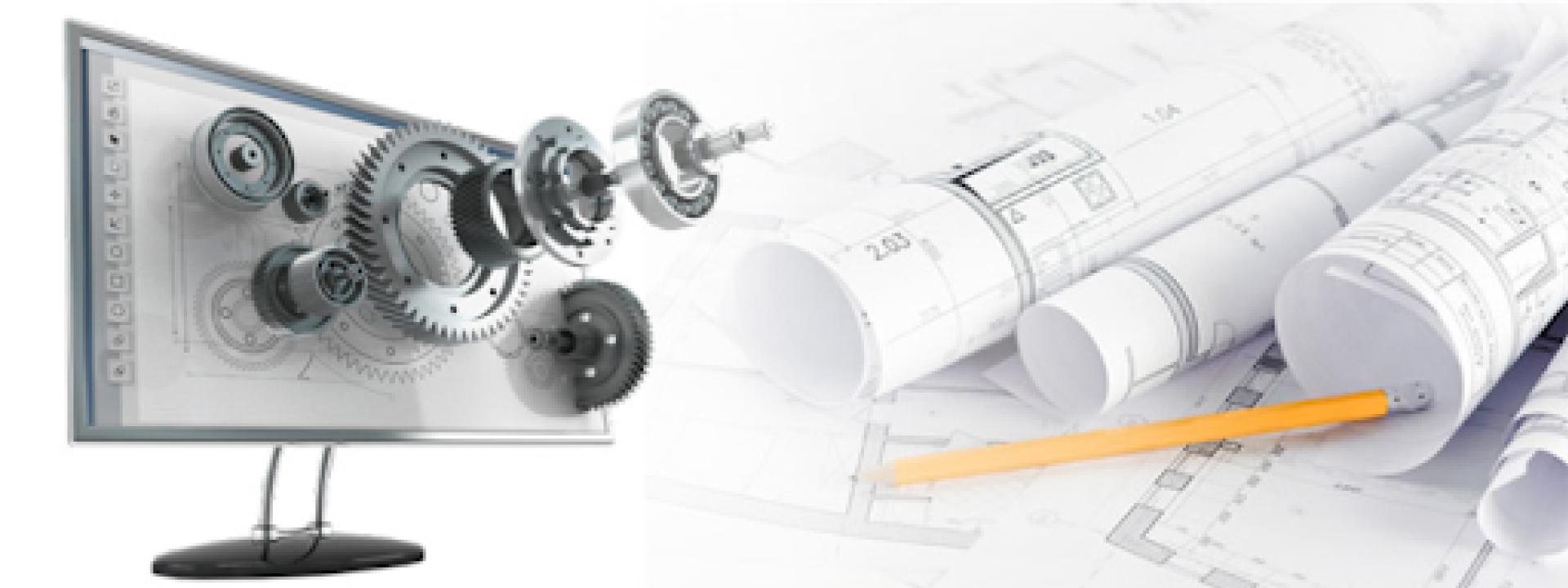
3D modeling services involve creating three-dimensional digital representations of objects using advanced design software. These models are built with depth, shape, texture, and lighting to mimic real-world visuals as closely as possible.
Unlike traditional 2D designs, 3D models allow you to view an object from every angle. This makes them incredibly useful for presentations, design validation, and visual storytelling. The process often includes modeling, texturing, rendering, and sometimes animation—each step adding more realism and detail to the final output.
3. Key Uses of 3D Modeling
One of the biggest strengths of 3D modeling is its versatility. It’s used across a wide range of industries:
Product Design: Companies create detailed product models before manufacturing, helping them test ideas and avoid costly mistakes.
Architecture & Real Estate: Architects and developers use 3D visuals to present buildings, interiors, and landscapes before construction begins.
Gaming & Animation: Characters, environments, and visual effects in games and films rely heavily on 3D modeling to create immersive experiences.
This wide range of applications shows just how essential 3D modeling has become in modern workflows.
4. Benefits of 3D Modeling Services
3D modeling services offer several practical advantages that make them a smart investment:
Better Visualization: Clients and teams can clearly see the final result before it exists in real life.
Time and Cost Efficiency: Changes can be made quickly without redoing entire projects, saving both time and resources.
Flexibility: Models can be reused and adapted for different purposes such as marketing, virtual reality, or presentations.
These benefits not only improve productivity but also lead to better decision-making throughout the project lifecycle.
5. Why Quality Matters
Not all 3D models are created equal. The difference between an average model and a high-quality one lies in the details. Realistic textures, accurate lighting, and proper scaling all contribute to a more convincing result.
But beyond technical skills, there’s a creative side that truly matters. A well-crafted 3D model doesn’t just look good—it tells a story. It captures attention, communicates ideas clearly, and leaves a lasting impression. This human touch is what separates professional work from generic outputs.
6. Future of 3D Modeling
The future of 3D modeling services looks incredibly promising. With the rise of technologies like virtual reality (VR), augmented reality (AR), and the metaverse, the need for high-quality 3D content is growing rapidly.
Businesses are now using 3D models in e-commerce, allowing customers to interact with products online before buying. Similarly, industries like healthcare, education, and engineering are finding new ways to use 3D visualization for training and innovation.
As technology continues to evolve, 3D modeling will become even more accessible, powerful, and essential.
7. Conclusion
3D modeling services are no longer just an optional tool—they are a key part of how modern ideas are developed and presented. They help people visualize concepts, improve communication, and make smarter decisions.
In a world driven by visuals, the ability to turn ideas into realistic digital experiences is a powerful advantage. And as demand continues to grow, 3D modeling will remain at the center of innovation across industries.