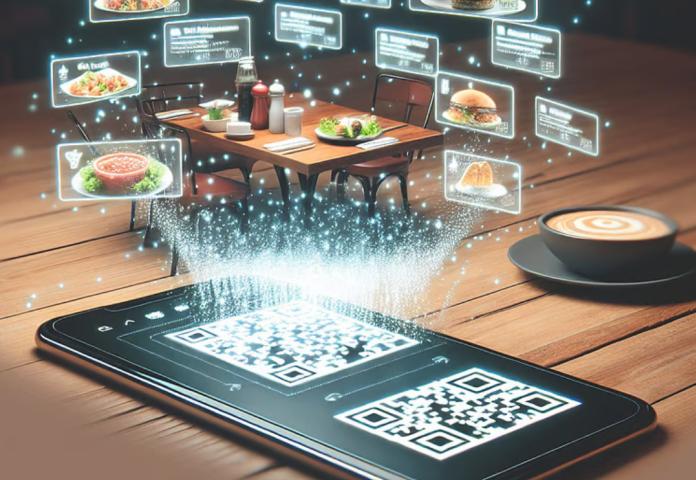
Introduction: Why Restaurants Are Turning to AI
The restaurant industry is undergoing a major transformation driven by changing customer expectations and increasing operational challenges. From managing high demand to ensuring consistent service quality, restaurant owners are constantly looking for smarter solutions. This is where AI in restaurant industry is emerging as a game-changer. Businesses are adopting AI to streamline operations, reduce costs, and deliver highly personalized customer experiences.
Understanding the Role of AI in Restaurants
Artificial intelligence in restaurants goes beyond automation—it enables data-driven decision-making and real-time optimization. AI systems can analyze customer behavior, predict demand, and automate repetitive tasks. This allows restaurant owners to focus more on customer experience and business growth. The rise of AI-powered tools is making it easier for even small and mid-sized restaurants to compete with larger chains.
Why AI Adoption Is Increasing in the Restaurant Industry
The growing adoption of AI in restaurant industry is driven by several factors. Labor shortages have pushed businesses to automate routine tasks, while rising operational costs have increased the need for efficiency. At the same time, customers now expect faster service, accurate orders, and personalized recommendations. AI helps restaurants meet these expectations while maintaining profitability.
AI-Powered Customer Experience and Personalization
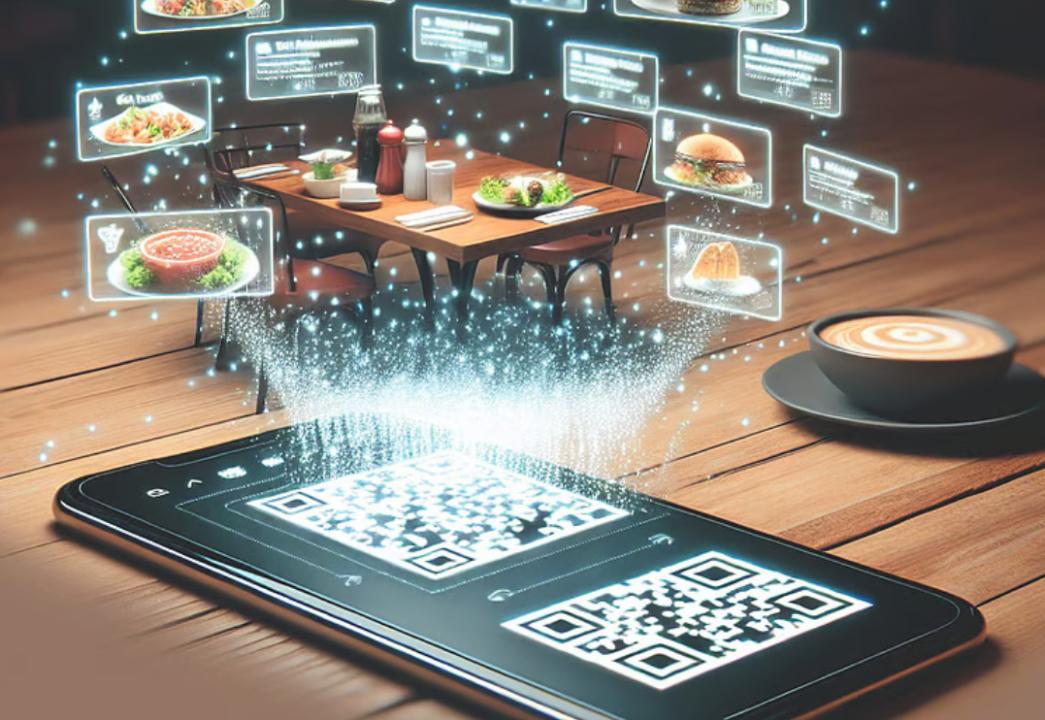
One of the biggest advantages of AI is its ability to enhance customer experience. AI systems can analyze past orders, preferences, and behavior to provide personalized recommendations. Whether it’s suggesting dishes, customizing menus, or offering targeted promotions, AI in restaurant industry is helping businesses create more engaging and satisfying dining experiences.
Smart Ordering Systems and AI Chatbots
AI-powered chatbots and voice assistants are transforming how customers place orders. These systems can handle online orders, answer queries, and even upsell items based on customer preferences. By reducing human errors and improving speed, AI in restaurant industry ensures a smoother ordering process, especially for quick-service restaurants and delivery platforms.
AI in Kitchen Automation and Food Preparation
Kitchen operations are becoming more efficient with AI-driven automation. From smart cooking systems to robotic assistants, AI helps maintain consistency in food quality and reduces preparation time. This not only improves productivity but also minimizes waste. As a result, AI in restaurant industry is playing a key role in optimizing back-end operations.
Demand Forecasting and Inventory Management
Managing inventory is a critical challenge for restaurants. AI can analyze historical data, seasonal trends, and customer demand to predict future requirements. This helps reduce food wastage and ensures that ingredients are always available when needed. With better forecasting, AI in restaurant industry enables smarter inventory management and cost control.
AI in Delivery and Logistics Optimization
With the rise of food delivery platforms, logistics has become an essential part of restaurant operations. AI helps optimize delivery routes, reduce wait times, and improve order accuracy. This enhances customer satisfaction and operational efficiency, making AI in restaurant industry crucial for businesses relying on online orders.
Enhancing Marketing with AI Insights
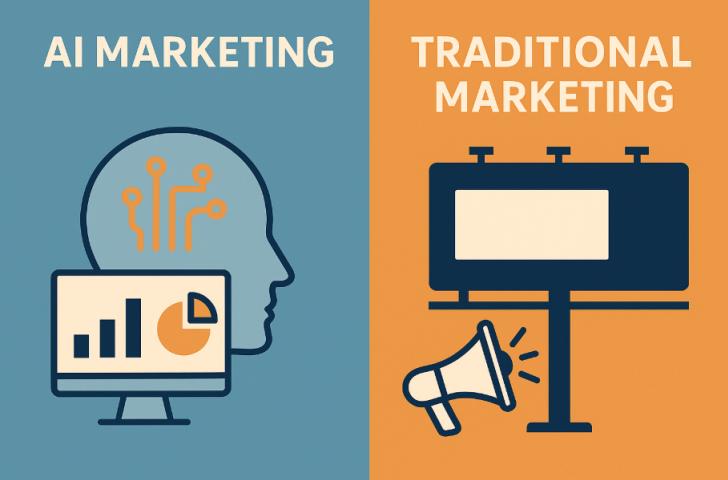
AI is also transforming restaurant marketing strategies. By analyzing customer data, AI can identify patterns and create targeted campaigns. Restaurants can send personalized offers, optimize pricing, and improve customer retention. This makes AI in restaurant industry a powerful tool for driving growth and increasing revenue.
AI for Staff Management and Workforce Optimization
Managing staff schedules and performance can be challenging in a dynamic environment like restaurants. AI systems can predict peak hours, optimize staff allocation, and monitor performance metrics. This ensures better workforce utilization and reduces operational inefficiencies, further strengthening the impact of AI in restaurant industry.
Challenges of Implementing AI in Restaurants
Despite its benefits, implementing AI comes with challenges. High initial costs, integration complexities, and data privacy concerns can slow down adoption. Additionally, not all restaurants have access to the technical expertise required to deploy AI solutions effectively. Overcoming these barriers is essential for fully leveraging AI in restaurant industry.
Future Trends of AI in the Restaurant Industry
The future of AI in restaurant industry is focused on deeper automation and smarter decision-making. From fully automated kitchens to AI-driven dining experiences, the industry is set to evolve rapidly. Technologies like computer vision, predictive analytics, and voice AI will continue to reshape how restaurants operate and serve customers.
Final Thoughts
AI is no longer a futuristic concept—it is a practical solution that is reshaping the restaurant industry today. By improving efficiency, enhancing customer experience, and enabling data-driven decisions, AI in restaurant industry is helping businesses stay competitive in a fast-changing market. Restaurants that adopt AI early will be better positioned to scale and succeed in the coming years.