Introduction
Digital communication has evolved rapidly, but customer expectations have evolved even faster. Businesses once relied on call centers, then moved to chatbots, and later adopted AI-powered voice assistants. Each step improved efficiency, but none truly replicated human interaction in a complete way.
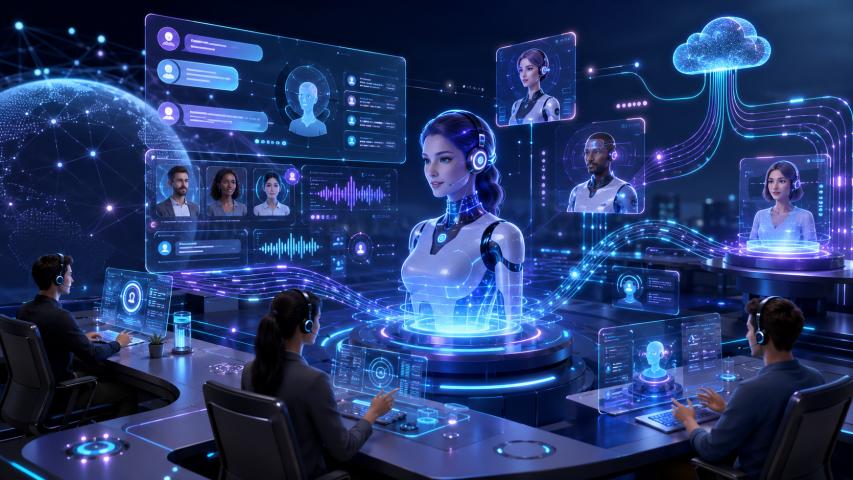
Today, a new shift is taking place with AI video agent development, where artificial intelligence is combined with real-time video and voice to create interactive digital humans. These systems are changing how users engage with brands by making digital communication more visual, conversational, and emotionally engaging.
Instead of typing into a chatbot or listening to a robotic voice, users can now interact with AI-powered video agents that speak, respond, and behave like real humans. This shift is not just technological—it is redefining the entire customer experience layer.
What Is AI Video Agent Development?
AI video agent development refers to building intelligent systems that can communicate with users through video-based, human-like digital avatars powered by artificial intelligence.
These agents are designed to understand user queries, process intent, generate meaningful responses, and present them through a lifelike digital human that can speak and react in real time.
Unlike traditional chatbots that rely only on text or rule-based responses, AI video agents combine multiple layers of intelligence and media processing. This makes the interaction feel more natural, engaging, and closer to real human conversation.
At a high level, AI video agents are the result of merging conversational AI, voice synthesis, and real-time avatar rendering into a single interactive system.
How AI Video Agents Actually Work
Even though the user experience feels simple, the underlying system is quite complex and involves multiple technologies working together.
When a user starts a conversation, the system first captures the input, which can be text or voice. This input is then processed by AI models that interpret the meaning behind the message. Instead of just focusing on keywords, the system understands intent, context, and sometimes even emotional tone.
Once the intent is identified, a large language model generates a relevant and contextual response. This response is not pre-scripted but dynamically created based on available data, knowledge bases, or integrated systems like CRMs or APIs.
After the response is generated, it is converted into natural speech using text-to-speech technology. At the same time, a digital avatar is animated in real time. Lip movements, facial expressions, and gestures are synchronized with the audio, creating a realistic human-like presence on screen.
All of this happens within seconds, allowing the conversation to feel smooth, responsive, and natural.
Why AI Video Agent Development Is Gaining Attention
The growing interest in AI video agent development is driven by changing user expectations and increasing demand for better digital experiences.
Modern users expect instant responses without delays. They also expect personalization instead of generic answers. Traditional systems often struggle to meet these expectations at scale.
AI video agents solve this problem by offering real-time interaction combined with scalability. They can handle multiple conversations at once without compromising quality or speed. This makes them highly valuable for businesses that deal with large customer volumes.
Another key reason for adoption is engagement. Seeing a human-like digital face respond to queries creates a stronger emotional connection than reading text or listening to a voice-only system. This improves trust and keeps users more engaged throughout the interaction.
Key Use Cases Across Industries
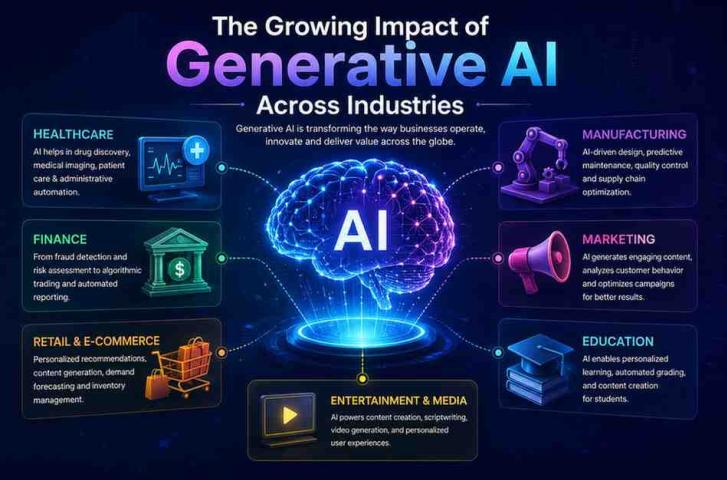
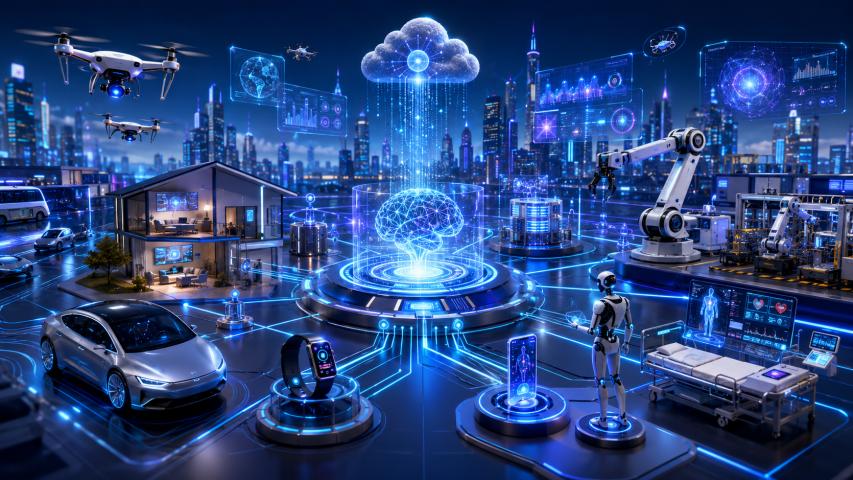
AI video agent development is being adopted across multiple industries because of its versatility and adaptability.
In customer support, AI video agents handle common queries, guide users through troubleshooting, and reduce dependency on human agents. This leads to faster resolution times and improved customer satisfaction.
In e-commerce, they act as virtual shopping assistants that help users discover products, compare features, and make purchase decisions. This creates a more personalized shopping experience and improves conversion rates.
In healthcare, AI video agents assist patients with appointment booking, basic medical information, and general guidance before they consult a doctor. This improves accessibility and reduces pressure on healthcare staff.
In education, they function as interactive tutors that explain concepts visually and conversationally. This helps students understand complex topics more easily compared to traditional learning methods.
In banking and finance, they help users with account-related queries, financial product explanations, and onboarding processes, making complex services easier to understand.
Architecture Behind AI Video Agent Development
The architecture of AI video video agent systems is built on multiple interconnected layers that work together in real time.
The interaction layer handles user input through voice or text. The AI processing layer then interprets this input using natural language understanding and generates a contextual response using large language models.
Once the response is ready, the media generation layer converts it into speech and synchronizes it with a digital avatar. This avatar is responsible for displaying human-like facial expressions, lip-sync, and gestures.
The integration layer connects the AI system with external tools such as databases, APIs, and enterprise software, enabling real-time access to relevant information.
Finally, the deployment layer ensures that the system runs smoothly across platforms such as web applications, mobile apps, kiosks, or customer service portals.
This layered architecture ensures scalability, flexibility, and real-time performance.
Benefits of AI Video Agent Development
One of the biggest advantages of AI video agent development is its ability to improve efficiency while reducing operational costs. Businesses can handle thousands of interactions simultaneously without increasing human workforce requirements.
Another major benefit is 24/7 availability. Unlike human agents who work in shifts, AI video agents are always active and ready to assist users at any time.
Consistency is also a strong advantage. Every user receives accurate and standardized responses, which helps maintain brand reliability and reduces communication errors.
AI video agents also enable better personalization. By integrating with customer data systems, they can deliver responses tailored to individual user behavior, preferences, and history.
Challenges in AI Video Agent Development
Despite its advantages, building AI video agents is not without challenges.
One of the biggest challenges is ensuring real-time performance. Since interactions happen live, even a small delay can break the natural flow of conversation and affect user experience.
Another challenge is system complexity. AI models, voice systems, and avatar rendering engines must work together seamlessly, which requires strong infrastructure and careful optimization.
Data security is also a critical concern. Since these systems may handle sensitive user data, businesses must implement strong privacy and security measures to protect information.
Additionally, creating realistic digital avatars that feel natural and expressive remains a technical challenge that continues to evolve.
Future of AI Video Agent Development
The future of AI video agents is moving toward greater realism, intelligence, and emotional awareness.
As AI models become more advanced, these agents will not only respond to queries but also understand emotions, tone, and user behavior. This will allow for more empathetic and human-like interactions.
We will also see improvements in visual realism, where digital avatars become almost indistinguishable from real humans in digital environments.
Integration with augmented reality and virtual reality will further enhance the experience, enabling fully immersive AI-driven interactions.
Over time, AI video agents are expected to become a core part of digital business infrastructure, handling customer engagement, onboarding, sales assistance, and support functions.
Conclusion
AI video agent development is more than just a technological trend it represents a fundamental shift in how humans interact with machines. By combining intelligence, voice, and visual presence, it creates a communication experience that feels natural, engaging, and scalable.
As businesses continue to prioritize customer experience, this technology is expected to play a major role in shaping the future of digital interactions across industries.