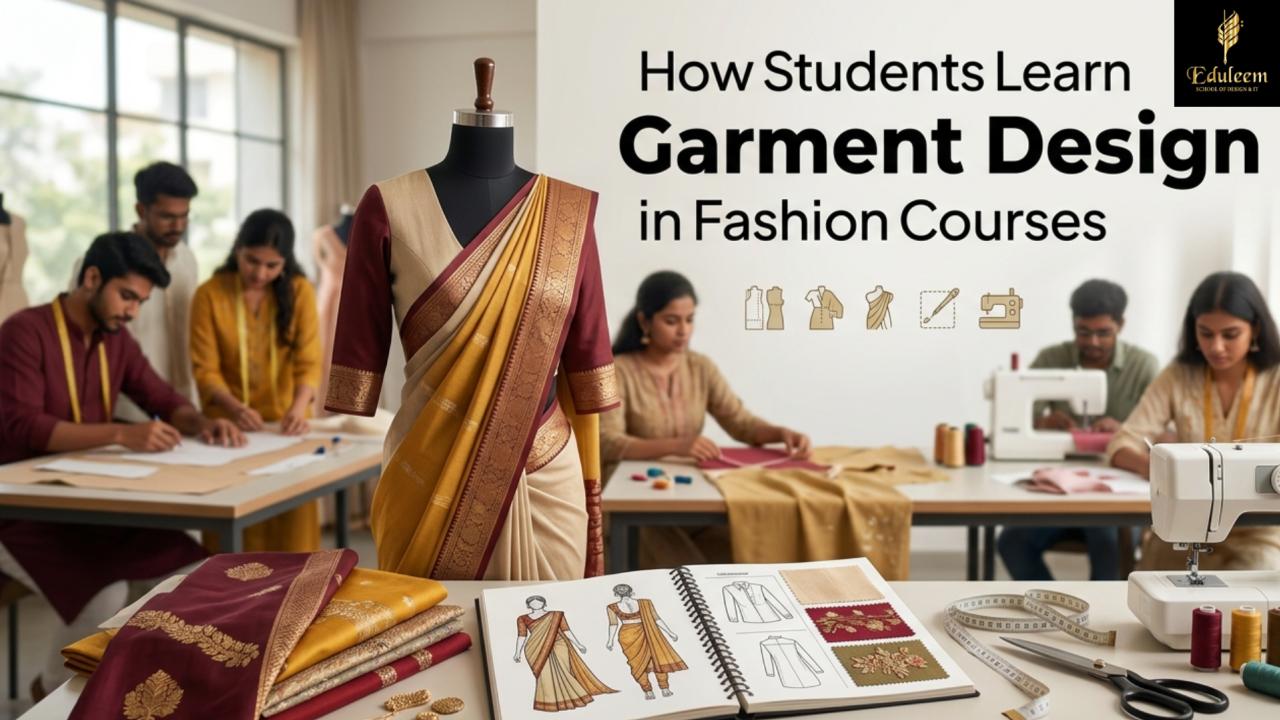
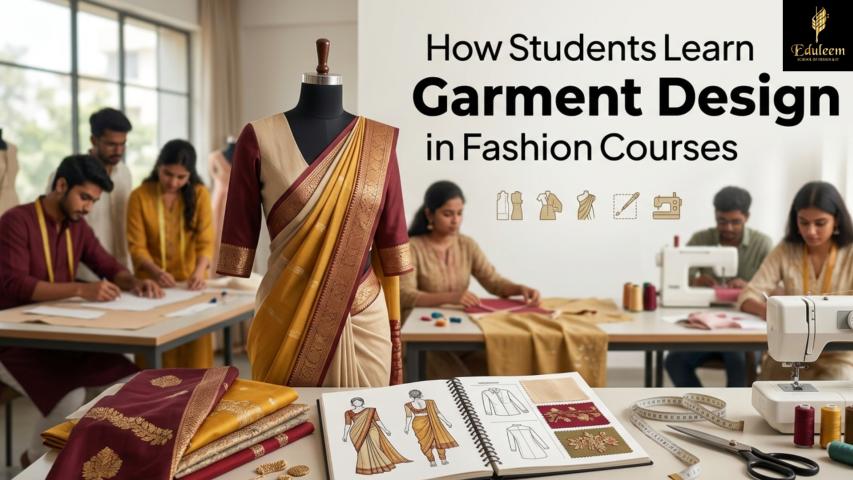
Garment design is the heart of fashion. Every outfit you see in a store or on a runway starts as an idea and then goes through a detailed process before becoming a finished product. When students join a fashion designing course bangalore, they are not just learning fashion concepts, they are learning how to turn ideas into real garments step by step.
For beginners, garment design may look complex at first. But with the right training, it becomes a structured and exciting journey. This is exactly what a professional fashion design course focuses on. It teaches students how to move from creativity to execution in a clear and practical way.
Understanding What Garment Design Really Means
Garment design is not just sketching clothes. It involves planning, creating, and constructing a wearable product that looks good and fits well. Students learn how design connects with fabric, body measurements, and finishing techniques.
In a good fashion design institute in bangalore, garment design is taught as a complete process. Students are guided through each stage so they understand how everything connects. This makes learning easier and more practical.
Step by Step Learning of Garment Design
The process of learning garment design is divided into stages. Each stage builds on the previous one, helping students gain confidence and clarity.
1. Learning Fashion Basics and Design Concepts
Students begin with understanding how design works. They learn about shapes, balance, proportion, and how garments are structured.
They are introduced to:
- elements of design like line, form, and texture
- principles like balance and harmony
- basic garment categories
This stage builds a strong foundation and helps students think like designers.
2. Fashion Illustration and Idea Development
Once the basics are clear, students move to sketching. This is where their ideas start taking visual form.
They learn:
- how to draw fashion figures
- how to sketch garments on models
- how to add details like folds and textures
This stage is important because it helps students express their creativity clearly. Even beginners who have never drawn before can improve with practice and guidance.
3. Fabric Knowledge and Material Selection
A design is incomplete without the right fabric. Students are taught how fabrics behave and how they affect the final garment.
They understand:
- different types of fabrics
- fabric texture and fall
- which fabric suits which design
This helps them make practical decisions while designing garments.
4. Pattern Making Skills
Pattern making is where design becomes technical. Students learn how to create the base structure of a garment.
They practice:
- taking measurements
- drafting patterns on paper
- adjusting patterns for different sizes
This step is very important because it ensures the garment fits properly.
5. Garment Construction and Stitching
This is the stage where design becomes real. Students start working with fabric and machines.
They learn:
- basic to advanced stitching techniques
- how to operate sewing machines
- how to assemble garments step by step
This gives them a clear understanding of how clothes are actually made.
6. Draping Techniques
Draping is a creative method where fabric is directly shaped on a mannequin.
Students explore:
- creating silhouettes using fabric
- experimenting with folds and layers
- designing garments without patterns
This improves creativity and helps students think differently.
7. Surface Design and Detailing
Details make a garment stand out. Students learn how to enhance their designs using different techniques.
They work on:
- embroidery >
- fabric textures
- decorative elements
This adds uniqueness to their creations.
8. Final Garment Creation and Presentation
In the final stage, students bring everything together. They design and create complete garments from start to finish.
They focus on:
- finishing quality
- fitting and adjustments
- presenting their designs professionally
This stage prepares them for real industry work.
How Eduleem Helps Students Master Garment Design
Learning garment design becomes much easier when training is practical and structured. Eduleem focuses on helping students understand each stage clearly and apply it in real work.
The 1-Year Diploma in Fashion Design course at Eduleem is designed to guide students from beginner level to professional level. The course covers everything from basics to advanced garment creation.
Students are not rushed. They are given time to practice, improve, and build confidence.
Real Learning with 3-Month Internship
One of the biggest advantages at Eduleem is the 3-month internship with real projects. This is where students experience how garment design works in the real world.
They get exposure to:
- working with boutiques and designers
- understanding client requirements
- handling real design challenges
This experience helps students move from learning to working without confusion.
Faculty Guidance Makes a Big Difference
At Eduleem, students learn from professionals who have real industry experience. This makes a huge difference because learning is not limited to theory.
Students get:
- practical tips from designers
- real examples from projects
- guidance on improving designs
This helps them avoid common mistakes and learn faster.
Benefits of Learning Garment Design at Eduleem
Students gain more than just technical knowledge. They develop skills that help them grow in the industry.
Key benefits include:
- strong understanding of garment creation
- confidence in handling fabrics and designs
- ability to create complete outfits
- professional portfolio development
- exposure to real work environment
These benefits make students ready for real opportunities.
Wow Factor in Learning Garment Design
The most exciting part of learning garment design is seeing your idea come to life. A simple sketch becomes a real outfit that people can wear.
Imagine designing a dress on paper and then wearing or showcasing it. This transformation is what makes fashion design special.
At Eduleem, students get to experience this journey multiple times. This builds confidence and makes learning enjoyable.
Career Opportunities After Learning Garment Design
Once students master garment design, they have many career options.
They can work as:
- fashion designers
- garment designers
- boutique designers
- freelance designers
They can also start their own clothing line or boutique.
This makes garment design a practical and flexible career choice.
Why Garment Design Skills Matter in the Industry
Fashion companies look for people who can actually create garments, not just talk about designs.
They expect:
- strong practical skills
- understanding of fabrics and construction
- ability to work on real projects
This is why learning garment design properly is very important.
Final Thoughts
Garment design is the core of fashion designing. It is where creativity meets skill and ideas turn into real products. A well-structured fashion designing course bangalore helps students understand this process step by step.
At Eduleem, students learn garment design in a practical and clear way. With proper guidance, real project exposure, and consistent practice, they develop the confidence to work in the fashion industry.
If you are serious about building a career in fashion, learning garment design properly is the first and most important step.
For More Details
Visit: Eduleem — Fashion design course in bangalore
Website: www.eduleem.com
Email: info@eduleem.com
Contact: +91 96064 57497
Address: 150,First Floor,150 Feet Ring Road, Service Rd, HSR Layout 5th Sector, Bengaluru, Karnataka 560102