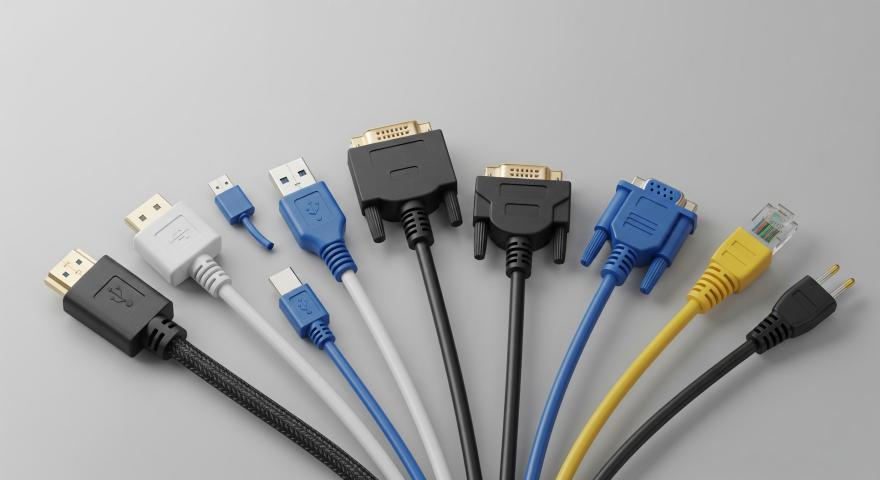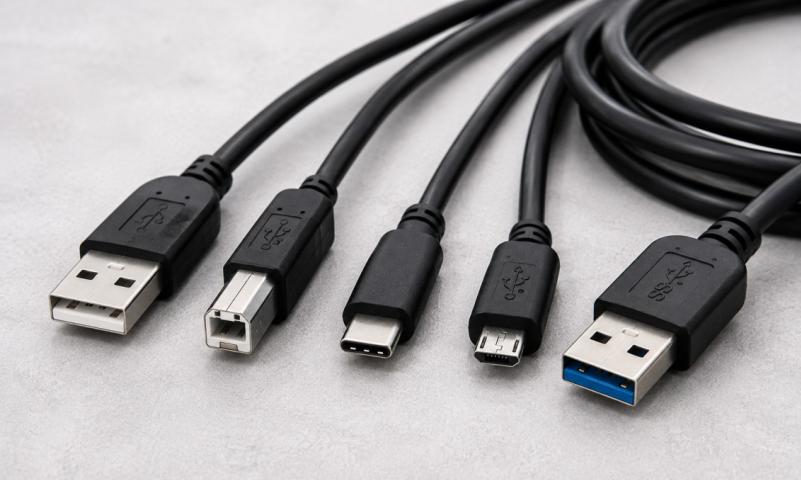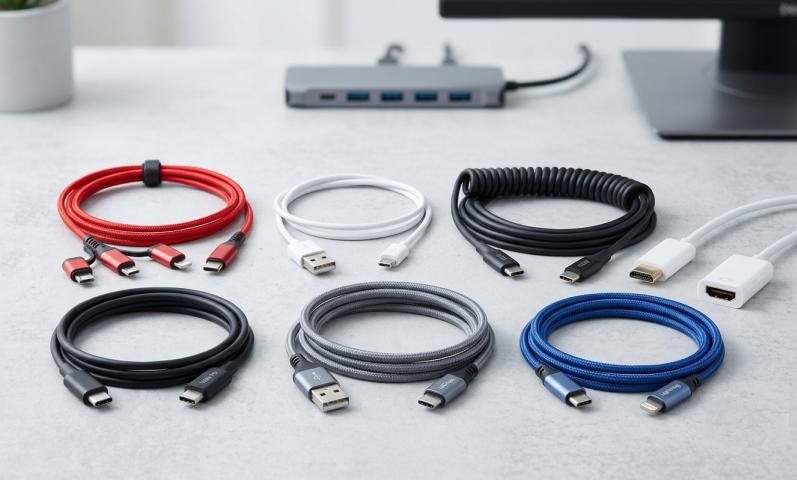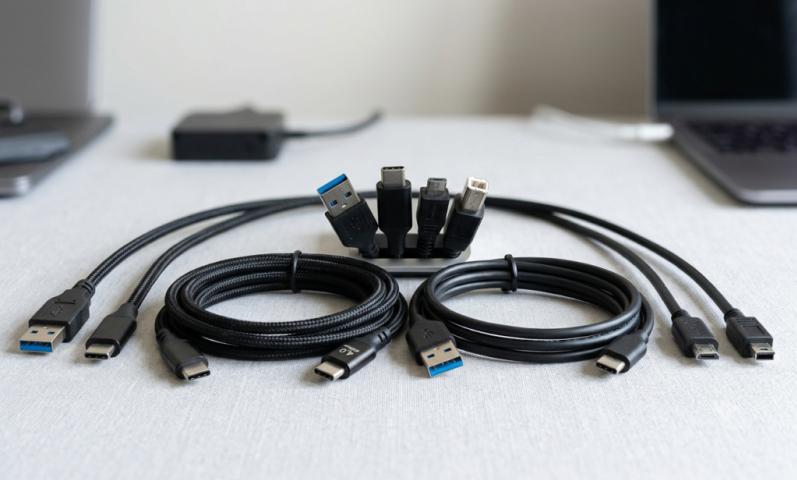
If you have ever dug through a drawer full of tangled cables, you already know the struggle. Technology moves fast, and the humble usb adapter has had to keep up every single step of the way. From the bulky connectors of the late 1990s to the sleek, reversible designs we use today, the story of USB is really a story about how we connect our lives to our devices.
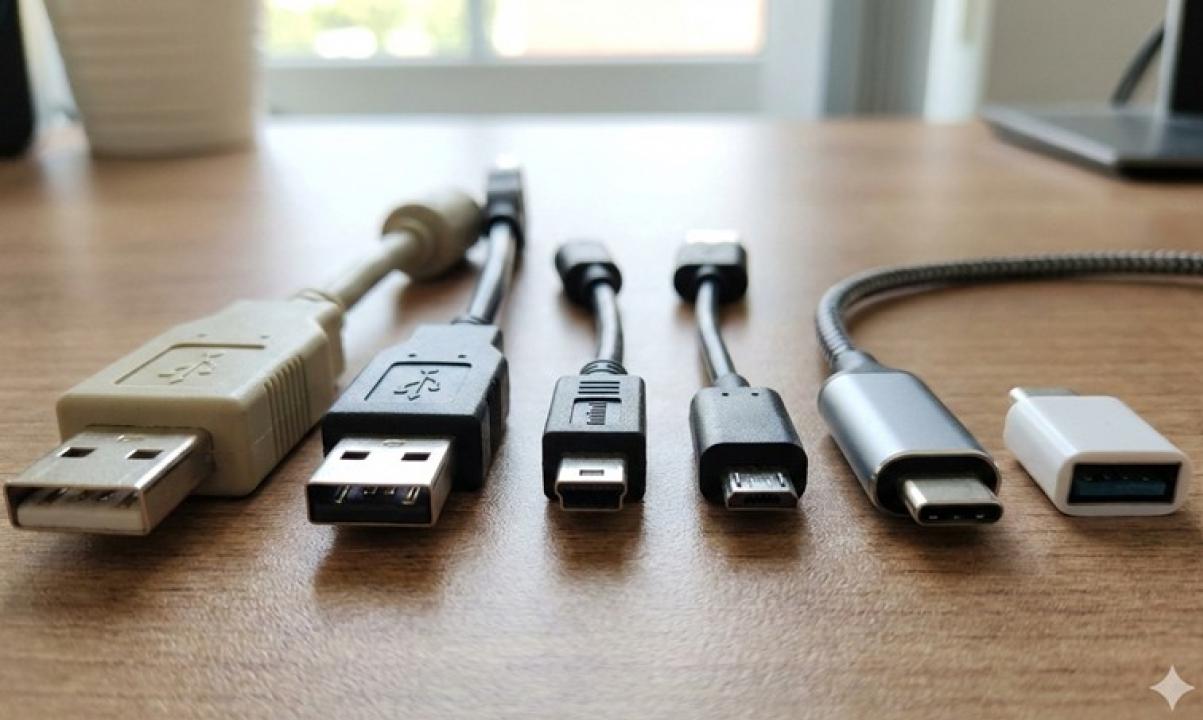
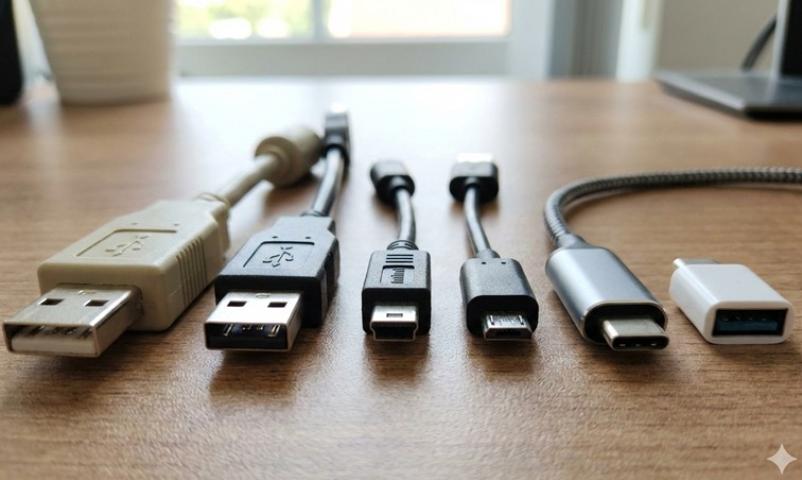
It all started in 1996 when USB 1.0 was introduced. The goal was simple replace the chaotic mess of serial and parallel ports with one universal standard. The early usb adapter was not exactly glamorous. It was large, only worked one way, and transferred data at a sluggish 1.5 Mbps. But for its time, it was revolutionary. People no longer had to wrestle with a different cable for every single device.
Then came USB 2.0 in 2000, and things started to get genuinely exciting. Speeds jumped to 480 Mbps, which felt like magic compared to what came before. Cameras, printers, keyboards, external drives suddenly everything was plugging into the same kind of port. The usb adapter became a household staple, something you would find in offices, schools, and living rooms around the world.
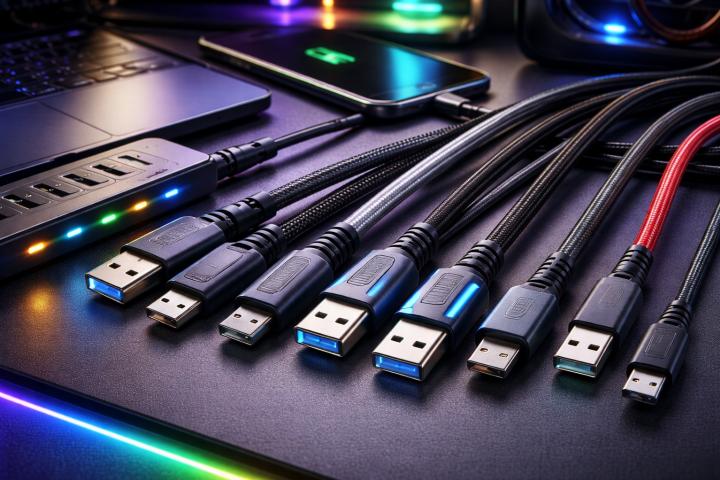
USB 3.0 arrived in 2008 and pushed the envelope even further, reaching speeds of up to 5 Gbps. The blue-colored ports became a visual shorthand for speed, and manufacturers began racing to include them in laptops and desktop computers. If you were transferring large video files or backing up a hard drive, USB 3.0 was a genuine game changer.
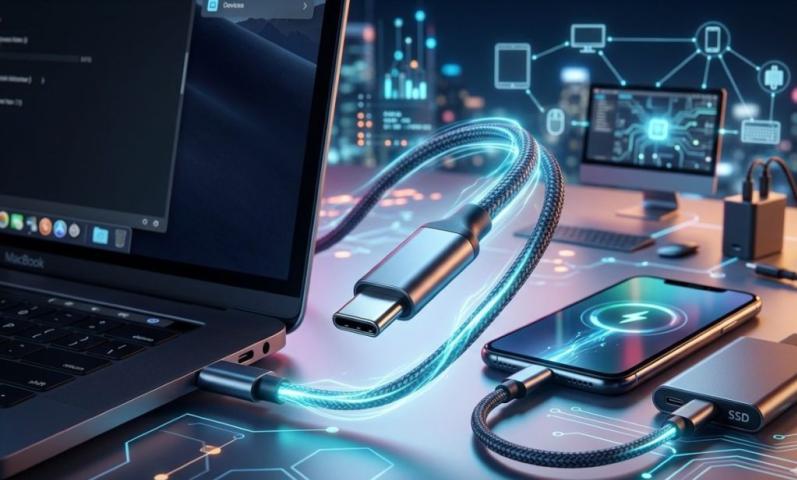
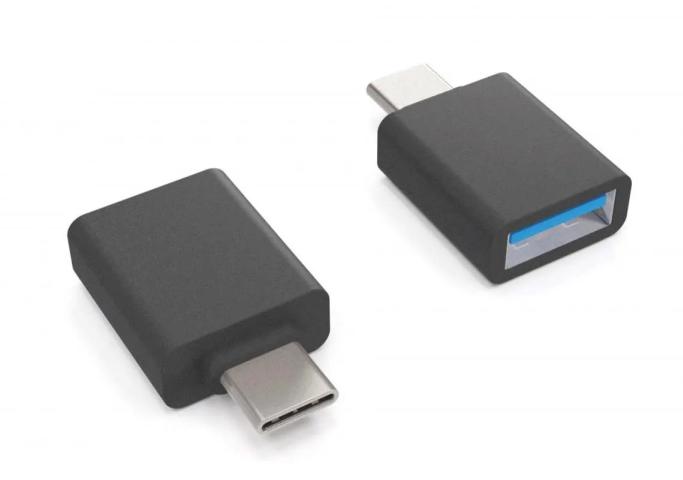
But perhaps the biggest leap came with USB-C. Unlike its predecessors, the USB-C connector is small, symmetrical, and reversible. No more flipping the connector three times before it fits. USB-C supports faster data transfer, higher power delivery, and even video output all through a single port. It quickly became the go-to standard for smartphones, laptops, and tablets.
The journey from USB 1.0 to USB-C is really a mirror of how our digital needs have grown. We went from simply connecting a mouse to powering entire monitor setups through a single cable. The usb adapter evolved from a novelty into an absolute necessity, woven into the fabric of modern life.
Today, whether you are charging your phone, connecting an external SSD, or running a presentation from your laptop, there is a good chance a USB adapter is involved somewhere in the chain. It is one of those quiet technologies that most people take completely for granted right up until it stops working.
What makes this evolution so fascinating is not just the speed or the form factor changes. It is the philosophy behind the whole project. USB was always meant to be universal, to tear down the walls between incompatible devices and create something that just works. And while there have been bumps along the road confusing naming conventions, competing standards, a brief period where nobody could agree on anything the core idea has survived and thrived.
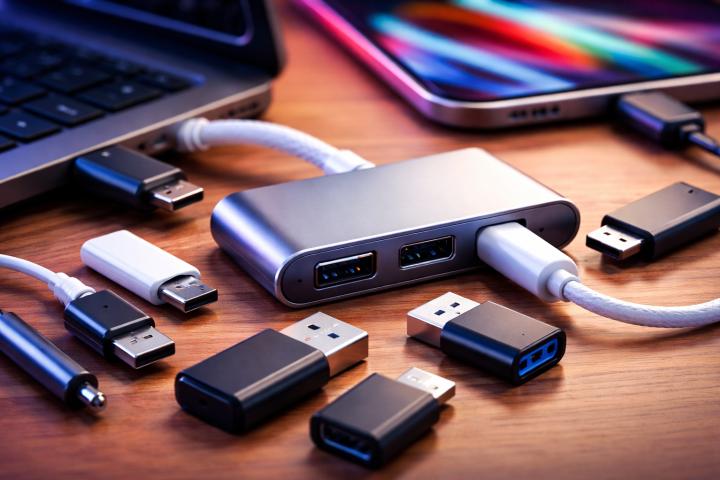
So next time you reach for a usb adapter to connect your old device to a new laptop, take a second to appreciate how far that little piece of technology has come. It has quietly powered three decades of digital life, and it is not done yet.
Original Article:- Click Here