When purchasing a vehicle in Uttar Pradesh, one of the most important yet often misunderstood costs is road tax. Many buyers focus only on the ex-showroom price and insurance, overlooking how road tax significantly impacts the final on-road price. In 2026, the calculation of up road tax remains structured but requires a clear understanding of applicable rates, categories, and valuation methods.
This guide is designed to give you a
complete, expert-level understanding of how to calculate UP road tax easily, while
ensuring accuracy and compliance.
What
is UP Road Tax?
UP
road tax is a mandatory fee imposed by the state government on vehicle owners
for using public roads. It is collected during vehicle registration and
contributes to infrastructure development, road maintenance, and transport
services.
Unlike insurance, which is
renewable, road tax for private vehicles is typically paid as a one-time
charge. However, commercial vehicles may pay it periodically.
Why
Understanding Road Tax Calculation Matters
Many vehicle owners rely entirely on
dealers for cost breakdowns. While convenient, this can sometimes lead to
confusion or misinterpretation of charges.
Knowing how to calculate road tax
helps you:
- Verify the accuracy of dealer quotations
- Budget your total vehicle cost effectively
- Avoid overpaying or hidden charges
- Plan better when switching or upgrading vehicles
Key
Factors That Influence UP Road Tax
Road tax in Uttar Pradesh is not a
flat fee. It depends on multiple variables:
1.
Ex-Showroom Price
This is the base value of your
vehicle and the primary factor in tax calculation.
2.
Fuel Type
Diesel vehicles are usually taxed
higher than petrol vehicles due to environmental considerations.
3.
Vehicle Category
Private cars, bikes, and commercial
vehicles all have different tax structures.
4.
Usage Type
Personal and commercial usage
attract different rates.
5.
Government Policies
Electric vehicles may receive
exemptions or reduced rates depending on current regulations.
UP
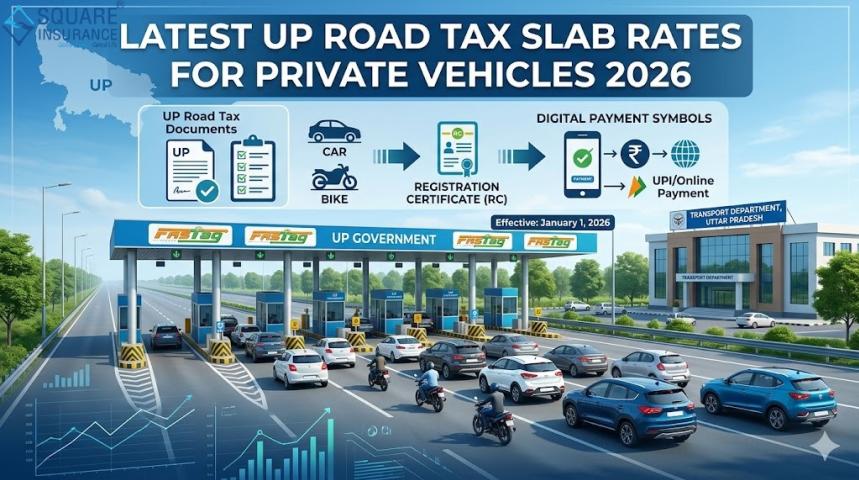
Road Tax Structure in 2026
While exact percentages may vary
slightly with policy updates, the general structure remains consistent.
Private
Cars (Petrol)
- Up to ₹10 lakh: Around 7%
- ₹10 lakh to ₹20 lakh: Around 8.5%
- Above ₹20 lakh: Around 10%
Private
Cars (Diesel)
- Up to ₹10 lakh: Around 8%
- ₹10 lakh to ₹20 lakh: Around 9.5%
- Above ₹20 lakh: Around 11%
Two-Wheelers
- Up to ₹1 lakh: Around 7%
- Above ₹1 lakh: Around 8%
Electric
Vehicles
- Often exempted or taxed minimally
Step-by-Step
Process to Calculate UP Road Tax
Let’s simplify the calculation
process so anyone can do it without confusion.
Step
1: Identify the Ex-Showroom Price
This is the cost before adding
insurance, registration, or accessories.
Step
2: Determine the Correct Tax Slab
Check which category your vehicle
falls into based on:
- Price range
- Fuel type
Step
3: Apply the Percentage
Road Tax = Ex-Showroom Price ×
Applicable Rate
Step
4: Add Additional Charges (if applicable)
Some cases may include small
registration or cess charges.
Practical
Example for Better Understanding
Imagine you are buying a diesel car
priced at ₹12 lakh.
- Applicable tax rate: 9.5%
- Calculation: ₹12,00,000 × 9.5% = ₹1,14,000
So, your estimated UP road tax would
be ₹1,14,000.
This simple calculation can help you
cross-check dealer estimates and avoid surprises.
Road
Tax for Used or Transferred Vehicles
If you are purchasing a second-hand
vehicle or bringing a vehicle from another state, the calculation changes
slightly.
Key
Considerations:
- Tax is based on depreciated vehicle value
- Age of the vehicle reduces taxable amount
- Remaining registration period is considered
Example:
A 5-year-old car will have a lower
current value than its original price, which reduces road tax liability.
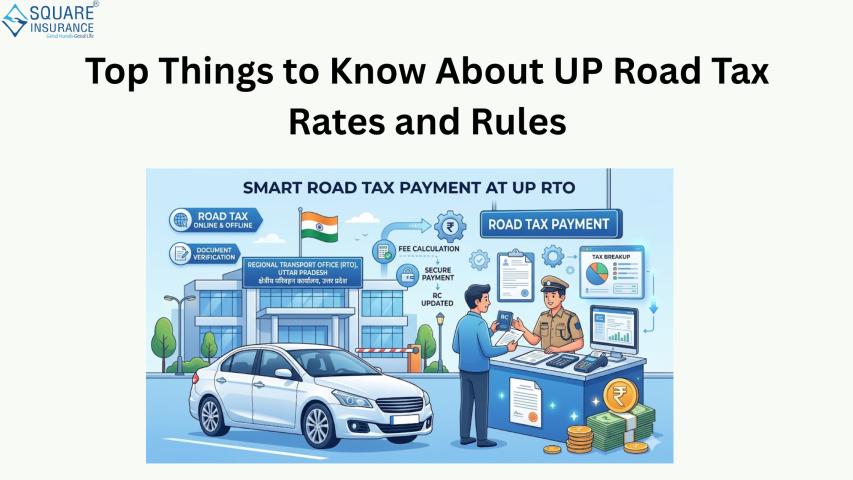
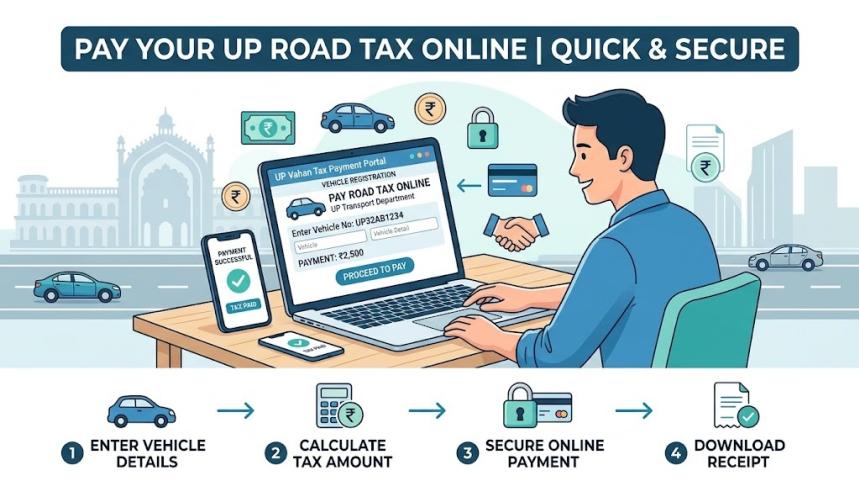
Online
Road Tax Payment in UP
The digitalization of transport
services has made road tax payment more convenient.
Benefits
of Online Payment:
- Saves time
- Reduces paperwork
- Offers instant confirmation
- Minimizes human errors
Basic
Process:
- Enter vehicle details
- Check tax amount
- Make payment digitally
- Save receipt for records
Always ensure that the details entered
match your vehicle documents.
Common
Errors to Avoid
Even experienced buyers can make
mistakes when calculating road tax.
Avoid
These Pitfalls:
- Using incorrect vehicle price
- Ignoring fuel-based rate differences
- Not checking updated tax slabs
- Forgetting EV exemptions
- Relying blindly on rough estimates
Accuracy is key, especially when
dealing with legal and financial obligations.
Expert
Tips to Optimize Road Tax Costs
While road tax cannot be avoided,
you can make smarter decisions:
1.
Choose the Right Vehicle Segment
Vehicles in lower price brackets
attract lower tax rates.
2.
Consider Electric Vehicles
They often come with significant tax
benefits.
3.
Avoid Over-Accessorizing
Extra features can increase the base
price, indirectly increasing tax.
4.
Plan State Transfers Carefully
If relocating, check refund
eligibility from the previous state.
Role
of Road Tax in Total Vehicle Ownership Cost
Road tax is not just a one-time
expense—it plays a role in the overall cost of owning a vehicle. When combined
with:
- Insurance premiums
- Maintenance costs
- Fuel expenses
Conclusion
Calculating UP road tax in 2026 is a
straightforward process when you understand the key components—vehicle price,
category, and applicable rate. By applying a simple percentage formula, you can
estimate your tax liability accurately and avoid unexpected costs.
Being informed empowers you to make
better financial decisions, whether you are buying a new vehicle or
transferring an existing one. Alongside road tax planning, managing your
vehicle insurance is equally important for complete financial protection.
Platforms like Square Insurance can help you explore
suitable insurance options that align with your needs and budget.
FAQ
1.
How is UP road tax calculated in 2026?
It is calculated as a percentage of
the vehicle’s ex-showroom price based on fuel type and price bracket.
2.
Is road tax different for petrol and diesel vehicles?
Yes, diesel vehicles generally
attract higher tax rates compared to petrol vehicles.
3.
Do electric vehicles pay road tax in UP?
Many electric vehicles are exempt or
taxed at a reduced rate depending on government policies.
4.
Is road tax a one-time payment?
For private vehicles, it is usually
paid once during registration.
5.
Can I calculate road tax before buying a vehicle?
Yes, using the applicable percentage
and ex-showroom price, you can easily estimate it.
6.
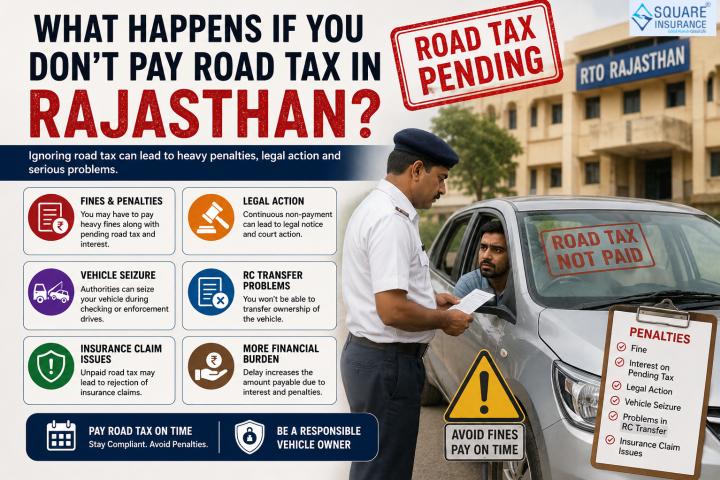
What happens if road tax is not paid?
Failure to pay road tax can result
in penalties, fines, or legal complications.