
The IT industry continues to evolve with technologies like cloud computing, automation, artificial intelligence, and hybrid networking environments. Even with these advancements, enterprise networking remains a critical foundation for modern business operations. Organizations still rely on secure, scalable, and high-performing network infrastructures to support daily operations, cloud applications, and remote workforces.
As digital transformation accelerates across industries, the demand for highly skilled networking professionals continues to grow. Among the most respected certifications in enterprise networking, the CCIE Enterprise Infrastructure certification remains highly valuable for professionals aiming to build long-term careers in IT infrastructure and enterprise networking.
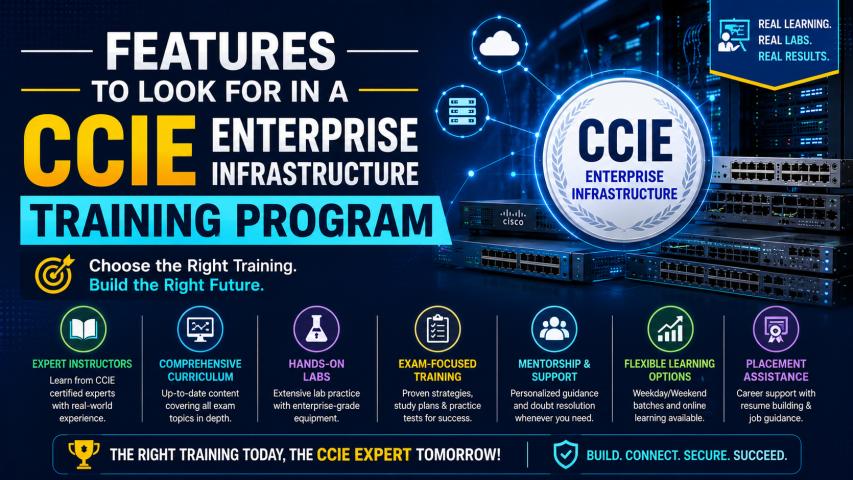
CCIE Enterprise Infrastructure Training helps professionals develop advanced technical expertise in routing, switching, automation, wireless networking, and enterprise infrastructure management required in modern IT environments.
Understanding the CCIE Enterprise Infrastructure Certification
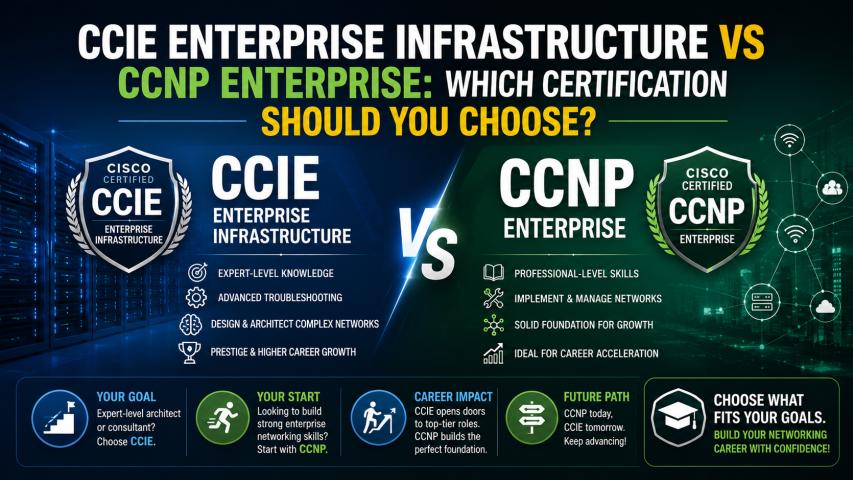
The CCIE Enterprise Infrastructure certification, offered by Cisco Systems, is an expert-level credential designed for professionals who manage and optimize complex enterprise networks.
The certification validates skills in:
Enterprise networking
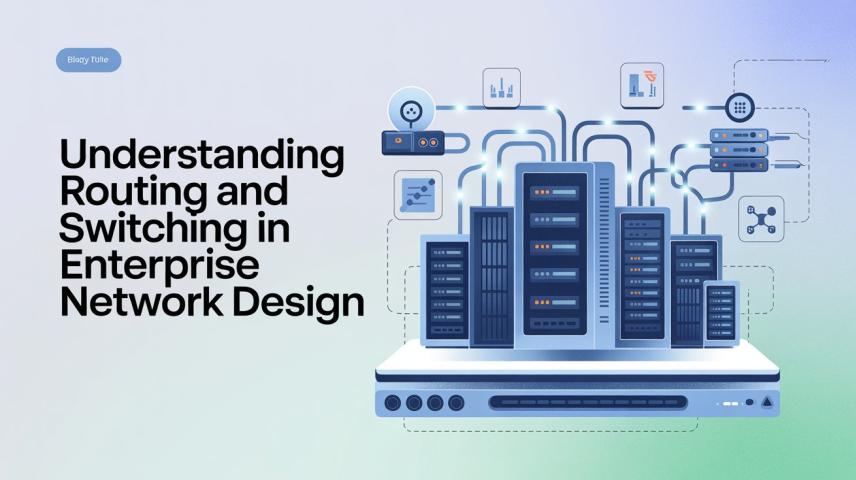
Routing and switching
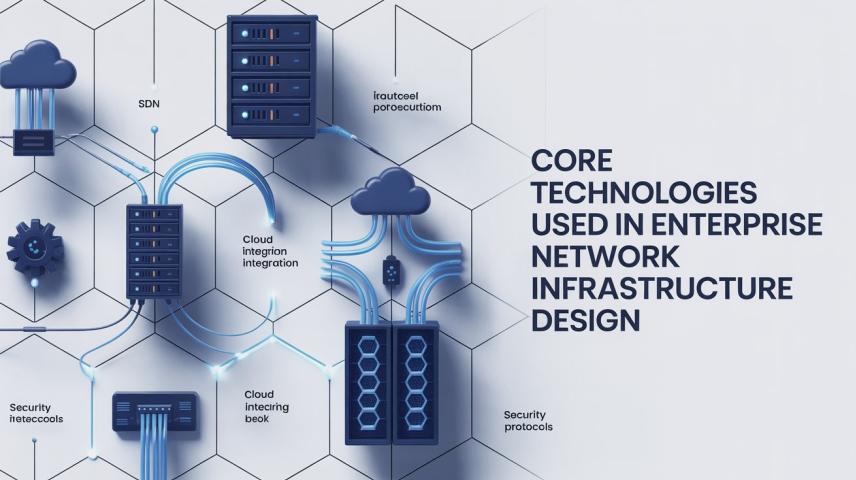
SD-WAN technologies
Wireless infrastructure
Automation and programmability
Network security integration
Infrastructure troubleshooting
The certification process includes a written core exam and an advanced hands-on lab exam that tests real-world implementation and troubleshooting skills.
Why Enterprise Networking Still Matters
Despite the rapid growth of cloud services, enterprise networking continues to be essential for organizations worldwide.
Enterprise Networks Support Business Operations
Modern businesses depend on enterprise networks for:
Cloud connectivity
Remote workforce access
Data center communication
Video conferencing
Business applications
Secure data transfer
Without reliable network infrastructure, organizations cannot maintain operational efficiency or digital connectivity.
Growing Complexity of IT Infrastructure
Enterprise environments are becoming increasingly complex because of:
Hybrid cloud deployments
Multi-site enterprise operations
Remote work environments
Increasing cybersecurity requirements
Automation integration
This complexity creates a strong demand for professionals who can manage large-scale enterprise infrastructures efficiently.
Global Recognition of the CCIE Certification
One of the main reasons the certification remains valuable is its global industry recognition.
Highly Respected Certification
The CCIE certification is widely recognized as one of the most advanced certifications in enterprise networking. Employers often associate CCIE-certified professionals with strong technical knowledge and practical problem-solving skills.
Demonstrates Advanced Expertise
The certification validates expertise in critical enterprise technologies such as:
Advanced routing protocols
Enterprise switching
SD-WAN implementation
Wireless networking
Infrastructure automation
High availability solutions
This broad skill set remains highly relevant in modern enterprise IT operations.
Importance of Automation Skills
Automation is transforming enterprise networking, and modern network engineers are expected to understand programmability and automation technologies.
Automation in Modern Networks
Organizations increasingly use automation to:
Reduce manual configuration errors
Improve operational efficiency
Accelerate deployments
Simplify infrastructure management
Skills Covered in CCIE Enterprise Infrastructure
The certification includes automation-related topics such as:
Python scripting
REST APIs
JSON and YAML
Network programmability
Automation tools
Professionals with both networking and automation expertise are becoming increasingly valuable in enterprise IT environments.
Cloud Computing Has Increased the Need for Networking Experts
Cloud adoption has expanded the responsibilities of enterprise networking professionals rather than replacing them.
Enterprise Networks Connect Cloud Environments
Businesses now require secure connectivity between:
On-premises infrastructure
Public cloud platforms
Private cloud systems
Remote offices
Hybrid cloud environments
Enterprise infrastructure engineers play a major role in ensuring secure and reliable communication across these platforms.
Multi-Cloud Environments Require Advanced Networking
Many organizations use multiple cloud providers, increasing the complexity of network management. Skilled networking professionals are needed to optimize performance, maintain connectivity, and ensure secure data transmission across distributed environments.
Strong Career Opportunities
The CCIE Enterprise Infrastructure certification can help professionals access advanced networking and infrastructure roles.
Popular Job Roles
Certified professionals often pursue careers such as:
Enterprise Network Engineer
Network Architect
Infrastructure Consultant
Solutions Architect
Automation Engineer
Technical Lead
Industry Demand
Professionals with advanced enterprise networking skills are needed across industries including:
Banking and finance
Healthcare
Telecommunications
Government organizations
IT consulting
Cloud service providers
As businesses continue expanding their digital infrastructure, demand for experienced enterprise networking professionals is expected to remain strong.
High Salary Potential
Advanced enterprise networking professionals are often among the highest-paid specialists in the IT industry.
Factors Affecting Salary
Compensation typically depends on:
Experience level
Technical expertise
Geographic location
Industry specialization
Automation and cloud knowledge
Professionals with enterprise networking and automation skills are especially valuable in modern IT environments.
Enterprise Security Integration
Networking and security are now closely connected in enterprise IT operations.
Importance of Secure Infrastructure
Organizations must secure their networks against cyber threats while maintaining high performance and reliability.
Enterprise infrastructure engineers often work with:
Network segmentation
Secure remote access
Identity management
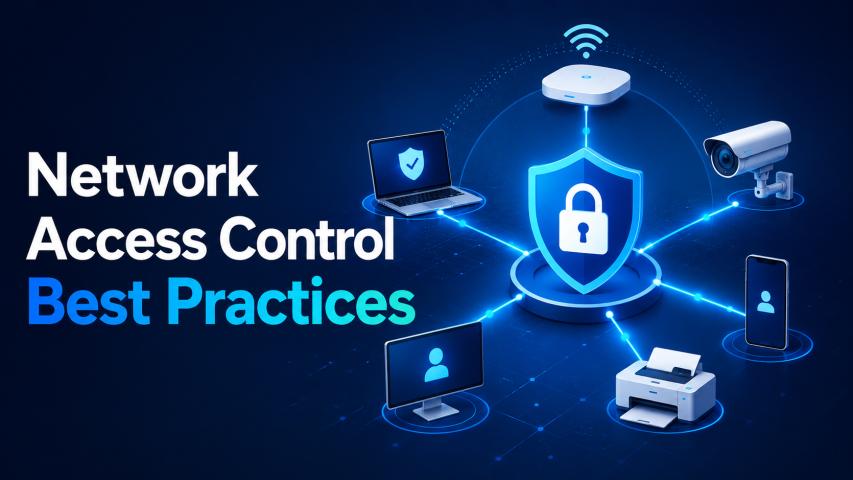
Access control systems
Infrastructure monitoring
Security Knowledge Improves Career Value
Professionals who understand both networking and security technologies often have broader career opportunities and increased industry demand.
Practical Skills Remain Highly Valuable
One of the strongest aspects of the CCIE Enterprise Infrastructure certification is its focus on practical expertise.
Hands-On Troubleshooting Experience
The lab exam requires candidates to solve complex enterprise networking problems under real-world conditions.
Candidates gain practical experience in:
Infrastructure deployment
Network troubleshooting
Automation implementation
Performance optimization
High availability configuration
Real-World Readiness
This hands-on preparation helps professionals build confidence when managing enterprise-scale environments.
Employers highly value professionals who can quickly diagnose and resolve infrastructure issues in production environments.
Continuous Technology Evolution
The certification continues to remain relevant because it evolves alongside industry technologies.
Updated Certification Objectives
Cisco regularly updates the certification blueprint to include modern enterprise technologies such as:
SD-WAN
Automation
Wireless advancements
Cloud integration
Software-defined networking
This ensures that certified professionals stay aligned with current enterprise networking trends.
Encourages Continuous Learning
Preparing for CCIE requires ongoing technical learning and hands-on practice. This continuous improvement process helps professionals remain competitive in a rapidly changing IT industry.
Challenges of Pursuing CCIE Enterprise Infrastructure
While the certification offers many career benefits, the preparation process can be demanding.
Extensive Study Requirements
Candidates must study a wide range of advanced networking technologies and enterprise infrastructure concepts.
Time Commitment
Preparation often involves:
Daily study sessions
Hands-on lab practice
Mock lab exams
Real-world troubleshooting experience
Long-Term Dedication
Achieving expert-level networking skills requires consistency, discipline, and continuous technical improvement.
Despite these challenges, many professionals consider the long-term career benefits well worth the effort.
Future of Enterprise Infrastructure Careers
Enterprise networking will continue evolving alongside emerging technologies and digital transformation initiatives.
Increasing Digital Transformation
Organizations continue investing in:
Cloud services
Remote workforce infrastructure
Automation platforms
IoT connectivity
AI-driven operations
These advancements will continue increasing the demand for experienced enterprise networking professionals.
Networking Remains Essential
Regardless of technology changes, enterprise networks remain critical for:
Connectivity
Infrastructure reliability
Performance optimization
Secure communication
Business continuity
This ensures that enterprise infrastructure expertise will continue to remain highly valuable in the future.
Conclusion
The IT industry continues to evolve rapidly, but enterprise networking remains a core component of modern business infrastructure. Organizations still require skilled professionals who can design, manage, secure, and optimize complex enterprise environments.
The CCIE Enterprise Infrastructure certification continues to hold strong value because it validates advanced networking expertise, real-world troubleshooting skills, automation knowledge, and enterprise infrastructure management capabilities. Professionals who pursue this certification often gain access to advanced career opportunities, industry recognition, and long-term professional growth.
For IT professionals looking to strengthen their expertise in enterprise networking and modern infrastructure technologies, investing in CCIE Enterprise Infrastructure Training can provide a strong foundation for career advancement in today’s competitive technology landscape.