Modern enterprise networks form the foundation of business communication, cloud connectivity, data sharing, and digital operations. As organizations continue adopting advanced technologies and distributed work environments, enterprise network infrastructures have become more complex and performance-driven. Routing and switching are two of the most important technologies that enable seamless communication across enterprise networks.
Businesses rely on stable and scalable network architectures to support applications, users, devices, and services. Professionals seeking expertise in enterprise networking often pursue certifications such as CCNP Enterprise Infrastructure to develop advanced networking knowledge and practical troubleshooting skills.
Routing and switching technologies are essential for enabling efficient data transfer, network segmentation, redundancy, and secure communication across enterprise environments. Understanding these core concepts is essential for networking professionals and organizations building modern enterprise infrastructures.
Understanding Enterprise Network Architectures
Computer Networking architectures refer to the design and structure of interconnected network systems used within organizations. These architectures support communication between devices, applications, data centers, cloud services, and remote locations.
Enterprise networks are designed to provide:
High availability
Scalability
Security
Efficient traffic management
Reliable communication
Simplified network administration
Routing and switching technologies work together to enable these capabilities across enterprise environments.
What Is Routing in Enterprise Networking?
Routing is the mechanism used to transfer data packets across multiple networks. Routers analyze destination addresses and determine the best available path for traffic transmission.
Purpose of Routing
Routing allows enterprise networks to:
Connect multiple branch offices
Enable internet connectivity
Support cloud communication
Optimize traffic flow
Maintain network scalability
Without routing technologies, communication between separate networks would not be possible.
How Routers Work
Routers use routing tables to identify optimal paths for network traffic. These tables contain information about available routes and neighboring devices.
Routers evaluate:
Destination IP addresses
Routing metrics
Available paths
Network policies
This process helps ensure efficient data delivery across enterprise infrastructures.
Types of Routing in Enterprise Networks
Enterprise environments use different routing methods depending on infrastructure requirements.
Static Routing
Static routing involves manually configuring network paths on routers.
Advantages of Static Routing
Static routing offers:
Simplicity
Predictable traffic paths
Low resource usage
Improved administrative control
Limitations of Static Routing
Although useful in smaller environments, static routing becomes difficult to manage in large-scale enterprise infrastructures.
Dynamic Routing
Dynamic routing protocols automatically exchange network information between routers and adjust routes based on network changes.
Benefits of Dynamic Routing
Dynamic routing provides:
Automatic route updates
Better scalability
Improved redundancy
Faster failover capabilities
Common Dynamic Routing Protocols
Enterprise networks commonly use:
OSPF
EIGRP
BGP
IS-IS
These protocols help organizations manage large and complex infrastructures more efficiently.
Understanding Switching in Enterprise Networks
Switching enables communication between devices within the same network.
Purpose of Switching
Switches connect devices such as:
Computers
Servers
Printers
Wireless access points
IP phones
Switching technologies improve communication efficiency and reduce unnecessary traffic transmission.
How Switches Operate
Switches use MAC addresses to forward traffic only to intended destinations instead of broadcasting data across the entire network.
This process improves:
Network efficiency
Performance
Security
Bandwidth utilization
Layer 2 and Layer 3 Switching
Enterprise switches can operate at different network layers depending on their functionality.
Layer 2 Switching
Layer 2 switches operate using MAC addresses and support local network communication.
Key Features of Layer 2 Switching
Layer 2 switching supports:
VLAN segmentation
Spanning Tree Protocol
MAC address learning
Efficient local traffic forwarding
VLAN Technologies
Virtual Local Area Networks separate devices into logical network groups.
Benefits of VLANs include:
Improved security
Better traffic management
Reduced broadcast domains
Simplified segmentation
Layer 3 Switching
Layer 3 switches integrate both switching and routing capabilities into a single device.
Advantages of Layer 3 Switching
Layer 3 switching provides:
Faster inter-VLAN routing
Improved performance
Enhanced scalability
Simplified network design
Enterprise environments often use Layer 3 switches in distribution and core network layers.
Enterprise Network Design Models
Enterprise infrastructures are commonly designed using layered architectures.
Core Layer
The core layer provides high-speed backbone connectivity across enterprise networks.
Functions of the Core Layer
The core layer focuses on:
Fast packet forwarding
High availability
Redundancy
Reliable connectivity
Distribution Layer
The distribution layer connects the core and access layers while enforcing policies and routing decisions.
Distribution Layer Responsibilities
This layer handles:
Routing
Traffic filtering
Policy enforcement
Inter-VLAN communication
Access Layer
The access layer connects end-user devices to the enterprise network.
Access Layer Functions
Access layer switches provide:
Device connectivity
Port security
VLAN access
Network access control
Routing Protocols in Enterprise Architectures
Routing protocols help enterprise networks adapt dynamically to changing network conditions.
Open Shortest Path First
Open Shortest Path First is widely used in enterprise environments because of its scalability and fast convergence capabilities.
OSPF Benefits
OSPF supports:
Hierarchical design
Fast route convergence
Efficient path selection
Large-scale network deployments
Border Gateway Protocol
Border Gateway Protocol is commonly used for internet connectivity and communication between autonomous systems.
BGP in Enterprise Environments
Large enterprises use BGP for:
Multi-homed internet connections
Traffic engineering
Redundancy
ISP connectivity
Redundancy and High Availability
Enterprise networks require continuous uptime and reliable connectivity.
Redundant Network Design
Redundancy minimizes downtime by providing backup paths and devices.
Common Redundancy Technologies
Organizations use:
EtherChannel
Redundant links
Failover routing
High-availability protocols
Load Balancing
Load balancing distributes traffic across multiple paths or devices to improve performance and resource utilization.
Network Segmentation and Security
Routing and switching technologies also contribute to enterprise network security.
VLAN-Based Segmentation
VLANs isolate departments and applications into separate broadcast domains.
Security Benefits of Segmentation
Segmentation helps:
Reduce unauthorized access
Improve traffic control
Limit threat movement
Enhance compliance
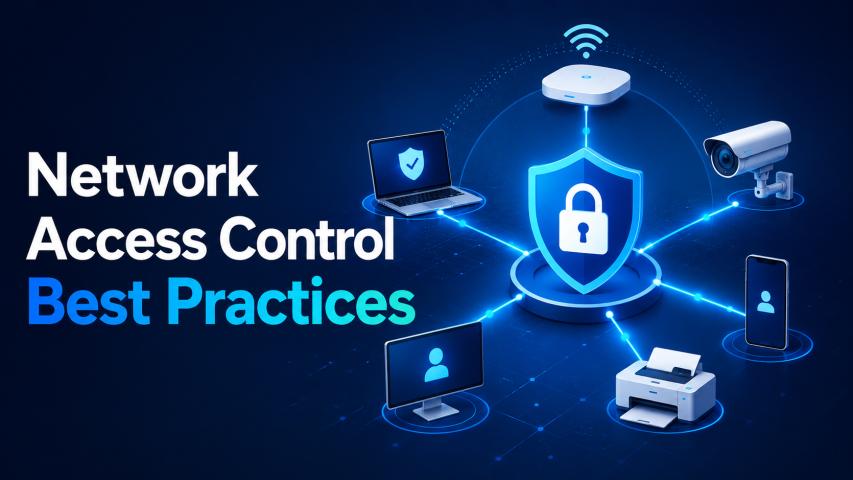
Access Control Mechanisms
Access control technologies restrict network access to authorized users and approved devices.
Software-Defined Networking and Modern Architectures
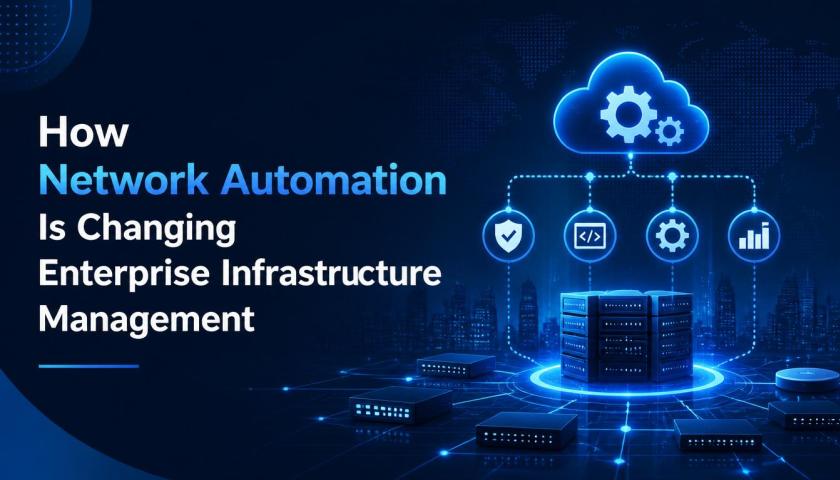
Software-Defined Networking is transforming enterprise network management.
Centralized Network Control
Software-defined networking separates the control plane from the forwarding plane to simplify administration.
Advantages of SDN
Organizations benefit from:
Centralized visibility
Simplified management
Faster provisioning
Enhanced automation
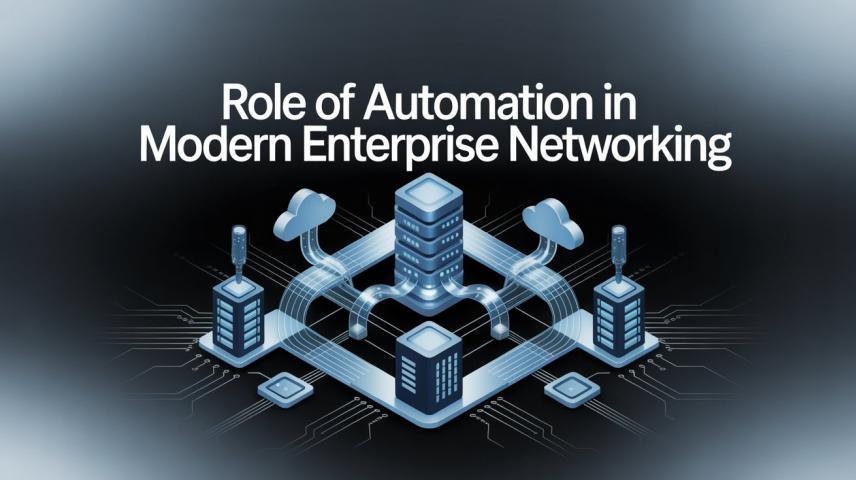
Automation in Routing and Switching
Automation is increasingly important in modern enterprise infrastructures.
Benefits of Network Automation
Automation helps organizations:
Reduce manual configuration errors
Improve operational efficiency
Accelerate deployments
Maintain configuration consistency
Automation Tools
Network professionals often use:
Python scripting
APIs
Automation frameworks
Configuration management platforms
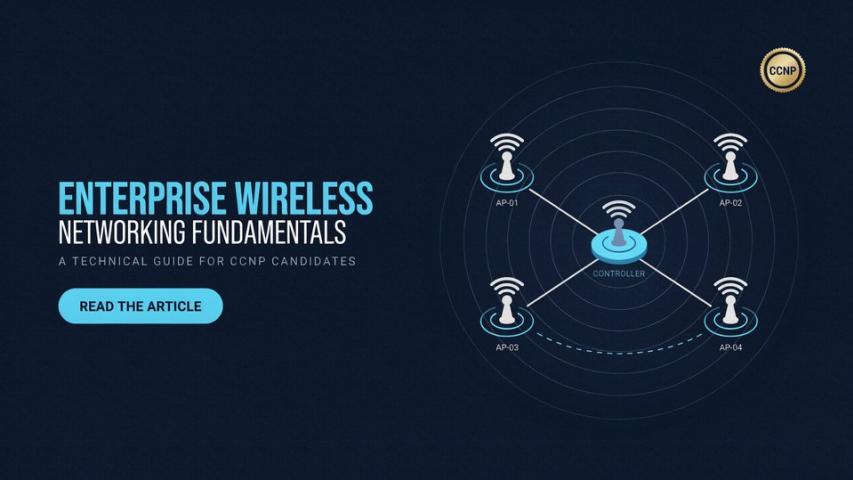
Wireless Integration in Enterprise Networks
Enterprise architectures now heavily depend on wireless connectivity.
Wireless LAN Infrastructure
Wireless networks provide flexible connectivity for users and devices across enterprise environments.
Wireless Network Requirements
Enterprise wireless infrastructures require:
Strong coverage
Secure access
Centralized management
Seamless roaming
Cloud Networking and Enterprise Connectivity
Cloud adoption continues influencing enterprise network design strategies.
Hybrid Network Environments
Organizations often integrate on-premises infrastructure with cloud platforms.
Cloud Connectivity Challenges
Enterprise networks must address:
Security
Performance optimization
Scalability
Reliable cloud access
Troubleshooting Routing and Switching Issues
Troubleshooting is an essential skill for enterprise network professionals.
Common Routing Problems
Routing issues may include:
Incorrect routing tables
Protocol misconfigurations
Connectivity failures
Route instability
Common Switching Problems
Switching issues may involve:
VLAN misconfigurations
Spanning Tree loops
Port failures
Broadcast storms
Importance of Monitoring Tools
Monitoring platforms provide visibility into network performance and operational health.
Career Opportunities in Enterprise Networking
Professionals with routing and switching expertise may pursue roles such as:
Enterprise Network Engineer
Infrastructure Specialist
Network Administrator
Systems Engineer
Network Architect
Wireless Network Engineer
As enterprise infrastructures continue evolving, routing and switching skills remain highly valuable across industries.
Conclusion
Routing and switching technologies form the foundation of modern enterprise architectures by enabling efficient communication, scalability, redundancy, and secure connectivity. These technologies support business-critical applications, cloud services, wireless access, and distributed enterprise operations.
Understanding enterprise routing and switching concepts helps organizations build reliable infrastructures while helping networking professionals strengthen their technical expertise. As enterprise networks continue expanding, advanced knowledge of routing, switching, automation, and security will remain essential for successful network operations.
Professionals looking to advance their networking careers often pursue certifications and structured CCNP Enterprise Infrastructure Training programs to gain practical experience, improve troubleshooting abilities, and develop expertise in modern enterprise networking technologies.