The networking industry continues to evolve rapidly, and professionals aiming to build strong careers in enterprise networking often start with structured certification paths. One of the most popular choices is CCNP Enterprise Certification, which helps candidates develop advanced skills in routing, switching, and enterprise network solutions.
For beginners entering the networking domain, understanding the certification roadmap is essential to plan learning effectively and build a strong foundation for future career growth.
What Is CCNP Enterprise Certification?
CCNP Enterprise is an advanced-level certification offered by Cisco that validates a candidate’s ability to implement and troubleshoot enterprise networking solutions.
Key Focus Areas
It covers a broad range of enterprise networking topics, including:
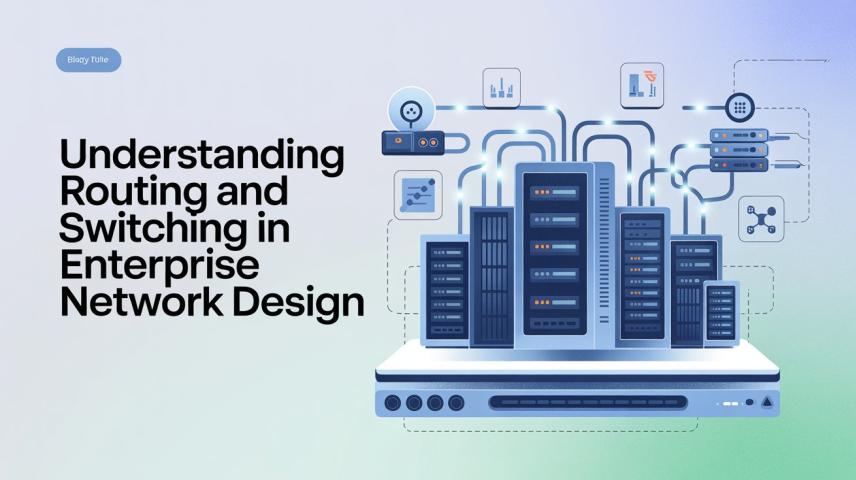
Routing and switching technologies
Enterprise network design
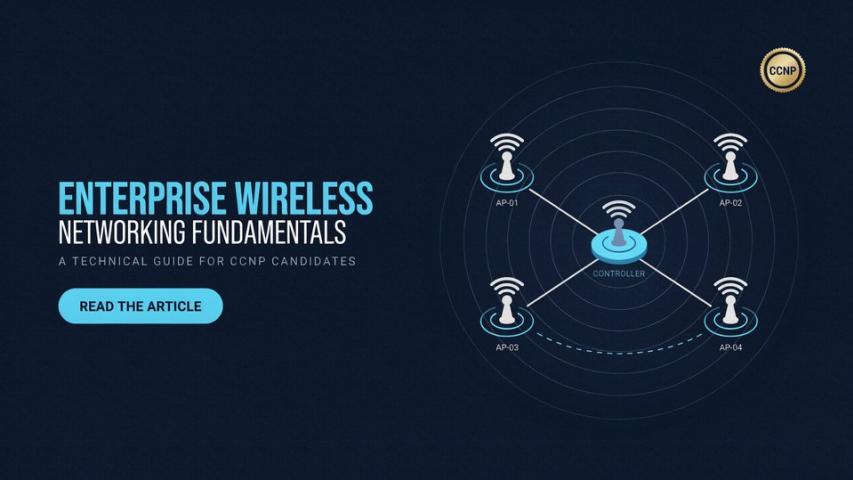
Wireless networking fundamentals
Network automation and programmability
WAN technologies
Infrastructure services
Why It Matters
CCNP Enterprise is widely recognized in the IT industry and is often required for mid-level networking roles. It bridges the gap between foundational certifications and expert-level credentials.
Why Beginners Should Choose CCNP Enterprise?
While CCNP Enterprise is not an entry-level certification, many beginners choose it as a long-term career goal.
Career Growth Opportunities
It allows professionals to pursue roles such as:
Network Engineer
Systems Engineer
Infrastructure Engineer
Network Administrator
Technical Support Engineer
Industry Demand
Organizations across industries require skilled networking professionals to manage complex enterprise environments, making CCNP Enterprise highly valuable.
Strong Technical Foundation
The certification helps candidates build strong expertise in:
Network design principles
Routing protocols
Enterprise connectivity
Network troubleshooting
CCNP Enterprise Certification Structure
This certification route is made up of two primary exams:
Core Exam (ENCOR 350-401)
The core exam covers fundamental enterprise networking topics such as:
Dual-stack architecture (IPv4 and IPv6)
Virtualization and infrastructure
Network assurance
Security fundamentals
Automation and programmability
Concentration Exams
Candidates must choose one concentration exam based on their career interest:
Enterprise Advanced Routing
Focuses on:
Advanced routing techniques
Large-scale network design
Complex troubleshooting
Enterprise Wireless
Focuses on:
Wireless network design
Access point configuration
Wireless security
SD-WAN Solutions
Focuses on:
SD-WAN architecture
Deployment models
Policy configuration
Network Design
Focuses on:
Enterprise architecture principles
Scalable design models
High availability planning
CCNP Enterprise Certification Roadmap for Beginners
A structured roadmap helps beginners approach the certification in a systematic way.
Step 1: Learn Networking Fundamentals
Before starting CCNP Enterprise preparation, beginners must understand basic networking concepts.
Key Topics
OSI and TCP/IP models
IP addressing and subnetting
Basic routing and switching
Network devices and functions
Step 2: Build Core Networking Knowledge
Once fundamentals are clear, candidates should move toward intermediate concepts.
Focus Areas
VLANs and trunking
Inter-VLAN routing
Static and dynamic routing
Introduction to OSPF
Step 3: Study CCNP ENCOR Exam Topics
ENCOR is the core exam that underpins the CCNP Enterprise certification.
Important Areas
Routing protocols (OSPF, EIGRP, BGP basics)
Infrastructure services
Security fundamentals
Network automation basics
Wireless fundamentals
Step 4: Choose a Concentration Track
Selecting the right specialization is important for career direction.
How to Choose
Choose based on job role interest
Consider industry demand
Evaluate long-term career goals
Step 5: Hands-On Practice
Practical experience is essential for success.
Lab Practice Areas
Router and switch configuration
VLAN and trunk setup
OSPF configuration
Troubleshooting connectivity issues
Step 6: Use Simulation Tools
Beginners should use simulation tools to practice real-world scenarios.
Recommended Tools
Cisco Packet Tracer
GNS3
EVE-NG
Key Skills Required for CCNP Enterprise
Routing and Switching Skills
Understanding routing protocols and switching technologies is critical.
Important Protocols
OSPF
EIGRP
BGP fundamentals
Network Design Skills
Candidates must understand how enterprise networks are structured.
Design Concepts
Hierarchical design
Redundancy
Scalability principles
Automation Basics
Modern networks rely on automation for efficiency.
Key Areas
Python basics
API usage
Network programmability concepts
Troubleshooting Skills
Effective troubleshooting is essential for real-world network operations.
Skills Required
Problem identification
Packet analysis
Configuration validation
Study Strategy for Beginners
Create a Study Plan
A structured plan helps maintain consistency.
Recommended Approach
Daily study sessions
Weekly revision cycles
Monthly practice tests
Focus on Concept Clarity
Understanding concepts is more important than memorization.
Practice Regularly
Hands-on practice reinforces theoretical knowledge.
Join Study Communities
Engaging with peers helps in:
Knowledge sharing
Doubt clarification
Motivation
Common Challenges in CCNP Enterprise Preparation
Complexity of Topics
Networking concepts can be complex for beginners.
Lack of Hands-On Practice
Without labs, understanding remains incomplete.
Time Management Issues
Balancing study with work and other responsibilities can be challenging.
Information Overload
Too many resources can confuse learners.
Tips to Overcome Challenges
Start with Basics
Do not skip foundational topics.
Use Structured Learning Resources
Follow a guided learning path instead of random materials.
Practice Consistently
Regular practice improves retention and confidence.
Focus on Weak Areas
Identify and improve weaker topics continuously.
Career Benefits of CCNP Enterprise Certification
Better Job Opportunities
CCNP Enterprise opens doors to:
Networking roles
Infrastructure roles
IT support positions
Higher Salary Potential
Certified individuals generally earn more than professionals without certification.
Career Advancement
It acts as a stepping stone toward expert-level certifications like CCIE.
Future Scope of CCNP Enterprise
Growing Demand in Networking
As enterprises expand, the need for skilled network engineers continues to rise.
Importance of Automation
Automation and programmability are becoming essential skills.
Cloud Integration
Modern networks are increasingly integrated with cloud environments.
Conclusion
The CCNP Enterprise certification is a valuable credential for aspiring networking professionals. By following a structured roadmap, beginners can build strong foundational knowledge and gradually advance toward expert-level skills. Consistent practice, hands-on experience, and a strong grasp of concepts can greatly improve career opportunities with CCNP Enterprise certification in the networking industry.