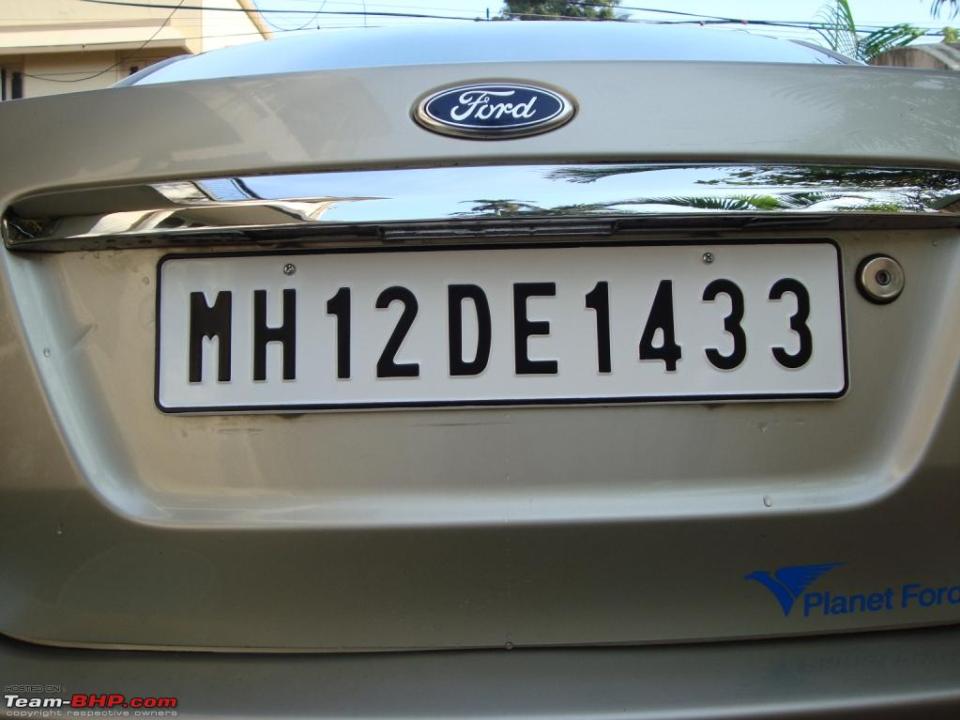
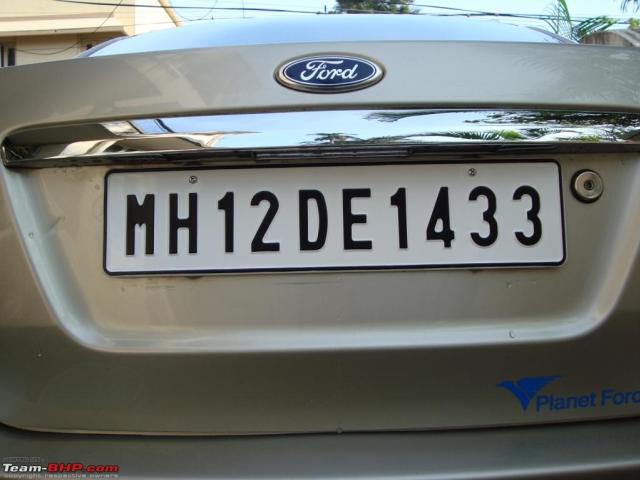
High Security Registration Plates
(HSRP) have become an essential requirement for vehicle owners across India.
The government has made these advanced number plates mandatory to improve
vehicle security, reduce theft, and standardize vehicle identification
nationwide. Whether you own a car, bike, scooter, or commercial vehicle,
understanding the process of High
Security Registration Plates in India is important before applying.
What
Is HSRP?
HSRP stands for High Security
Registration Plate. It is a tamper-proof number plate made of aluminum and
designed with advanced security features. These plates are issued only by
government-authorized vendors and are linked directly to the vehicle database.
The Ministry of Road Transport and
Highways introduced HSRP to improve road safety and create a unified vehicle
registration system across India.
Key
Features of High Security Registration Plates
Before applying for HSRP, it is
important to understand its major features.
1.
Tamper-Proof Design
HSRP comes with non-removable snap
locks that prevent unauthorized replacement or duplication.
2.
Unique Laser Code
Each plate contains a permanent
laser-etched identification number that helps authorities track vehicle details
easily.
3.
Chromium-Based Hologram
The plate includes a chromium
hologram of the Ashoka Chakra for added security and authenticity.
4.
Reflective Sheet
HSRP uses reflective material that
improves visibility during nighttime driving.
5.
Centralized Registration Database
Vehicle details linked with HSRP are
stored digitally, making verification faster and more reliable.
Why
Is HSRP Mandatory in India?
The Indian government made HSRP
mandatory to address several challenges related to vehicle identification and
security.
Main objectives include:
- Preventing vehicle theft
- Reducing fake number plate usage
- Improving traffic law enforcement
- Enhancing road safety
- Simplifying vehicle tracking
- Creating a standardized registration system
Today, many states actively impose
penalties on vehicles operating without HSRP.
Which
Vehicles Require HSRP?
HSRP is mandatory for almost all
vehicles in India, including:
- Private cars
- Bikes and scooters
- Commercial vehicles
- Transport vehicles
- Old registered vehicles
- Newly purchased vehicles
Vehicles registered before the HSRP
implementation period are also required to upgrade to the new number plate
format.
Important
Things to Know Before Applying for HSRP
1.
Check State-Specific Rules
Although HSRP rules are implemented
nationwide, individual states may have different deadlines, fee structures, and
appointment systems.
Before applying, verify:
- HSRP deadlines in your state
- Approved installation centers
- Vehicle category requirements
- Applicable penalties
Understanding local transport rules
can help avoid unnecessary delays.
2.
Keep Vehicle Documents Ready
You will need accurate vehicle
information during the HSRP application process.
Commonly required documents include:
- Registration Certificate (RC)
- Chassis number
- Engine number
- Identity proof
- Address proof
- Mobile number
Incorrect details may result in
application rejection or installation mismatch.
3.
Ensure Correct Registration Details
Before submitting the application,
verify:
- Vehicle registration number
- Owner name
- Engine number
- Chassis number
- Fuel type
Even minor errors can create
complications during plate installation or future verification checks.
4.
Book HSRP Only Through Authorized Sources
HSRP should only be obtained from
government-approved vendors or authorized dealers.
Avoid:
- Unauthorized roadside sellers
- Fake online portals
- Duplicate number plate providers
Installing non-approved plates can
lead to penalties and legal action.
5.
Understand the HSRP Fee Structure
The cost of HSRP depends on vehicle
type and plate category.
Approximate charges include:
- Two-wheelers: Lower fee range
- Cars and SUVs: Moderate fee range
- Commercial vehicles: Higher charges
Additional costs may apply for:
- Color-coded stickers
- Home installation
- Reinstallation services
6.
Appointment Booking Is Usually Mandatory
Many states now require online
appointment booking before installation.
The process generally includes:
- Enter vehicle details
- Select installation location
- Choose appointment slot
- Make online payment
- Receive booking confirmation
Vehicle owners should arrive on time
with valid documents during the appointment.
7.
Color-Coded Fuel Stickers May Also Be Required
Along with HSRP, many states mandate
color-coded fuel stickers for vehicles.
Sticker colors usually indicate:
- Petrol vehicles
- Diesel vehicles
- CNG or electric vehicles
These stickers help authorities
quickly identify vehicle fuel types.
8.
HSRP Installation Takes Limited Time
The actual installation process is
usually quick and may take around 15 to 30 minutes depending on crowd levels
and vehicle category.
The plate is fixed using specialized
snap locks to prevent tampering.
9.
Old Number Plates Must Be Replaced
Vehicle owners using traditional
painted number plates or non-standard designs must replace them with HSRP.
Stylized fonts, decorative designs,
and unofficial plate formats are not permitted under current regulations.
10.
Delayed Installation Can Lead to Penalties
Several states have started strict
enforcement drives against vehicles without HSRP.
Penalties may include:
- Traffic fines
- Challans
- Vehicle detention
- Registration compliance issues
Installing HSRP on time helps avoid
legal complications.
Benefits
of Installing HSRP
Applying for HSRP offers multiple
advantages for vehicle owners.
Enhanced
Security
Tamper-proof features reduce chances
of theft and duplication.
Better
Law Enforcement
Police and transport authorities can
easily trace vehicle details.
Uniform
Vehicle Identification
HSRP creates a standardized
registration system across India.
Improved
Road Safety
Reflective number plates improve
nighttime visibility.
Easier
Verification
Digital records linked to HSRP
simplify inspection and ownership verification processes.
Common
Mistakes to Avoid During HSRP Application
Many applicants face delays because
of avoidable mistakes.
Entering
Incorrect Vehicle Information
Always cross-check details before
payment submission.
Missing
Appointment Dates
Skipping appointments may require
rebooking.
Using
Unauthorized Vendors
Only government-approved vendors
should be selected.
Ignoring
State Deadlines
Late installation may attract
penalties.
Damaging
Existing RC Information
Ensure registration documents remain
clear and readable.
HSRP
and Vehicle Insurance
Although HSRP and motor insurance
are separate requirements, both are mandatory for legal vehicle operation in
India.
Valid vehicle insurance protects
against:
- Accident expenses
- Third-party liabilities
- Theft losses
- Natural disaster damage
Many insurance companies may also
verify vehicle registration compliance during claim procedures.
Future
of Vehicle Registration Security in India
India is rapidly moving toward
digitized transportation systems. HSRP is considered a major step toward
smarter traffic management and vehicle monitoring.
In the future, integration of:
- FASTag systems
- Smart traffic surveillance
- Automated challan systems
- Vehicle tracking technologies
may further strengthen road safety
and law enforcement mechanisms.
Conclusion
Understanding the important things
to know before applying for HSRP in India can help vehicle owners complete the
process smoothly and avoid unnecessary complications. HSRP not only improves
vehicle security but also supports better traffic regulation, standardized identification,
and safer road management across the country.
Along with HSRP compliance,
maintaining valid motor insurance is equally important for complete financial
and legal protection. Square
Insurance helps vehicle owners compare suitable motor insurance plans that
offer reliable coverage, affordable premiums, and hassle-free policy
management.
FAQs
1.
What is HSRP in India?
HSRP stands for High Security
Registration Plate, a tamper-proof vehicle number plate with advanced security
features.
2.
Is HSRP mandatory for old vehicles?
Yes, many states require old
vehicles to upgrade to HSRP.
3.
Can I apply for HSRP online?
Yes, most states offer online HSRP
booking and appointment facilities.
4.
What documents are required for HSRP?
Registration Certificate, chassis
number, engine number, and basic identity details are commonly required.
5.
What happens if I do not install HSRP?
Vehicle owners may face traffic
fines, penalties, or legal action.
6.
Are HSRP charges the same for all vehicles?
No, charges vary depending on
vehicle type and category.
7.
How long does HSRP installation take?
The installation process usually
takes around 15 to 30 minutes.
8.
Can HSRP prevent vehicle theft?
HSRP improves vehicle traceability
and reduces chances of number plate duplication.