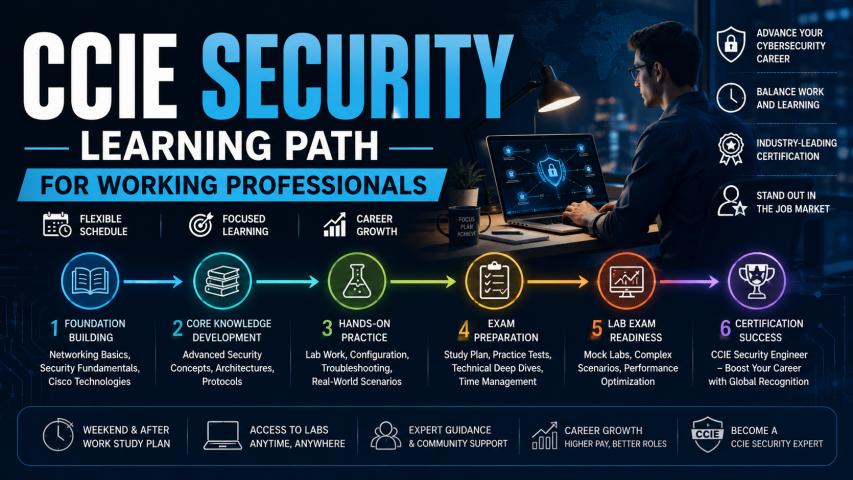
Preparing for the CCIE Security lab exam is a major milestone for network security professionals aiming to validate expert-level skills. The certification is widely respected in the industry and often pursued alongside structured programs such as CCIE Security Training, which helps candidates build the advanced hands-on capabilities required for success.
The lab exam is known for its complexity because it evaluates real-world troubleshooting, design, and implementation skills rather than just theoretical knowledge. A structured and disciplined preparation strategy is essential for achieving success in this high-stakes certification.
Understanding the CCIE Security Lab Exam
The CCIE Security lab exam is designed to test a candidate’s ability to build, secure, and troubleshoot complex enterprise security environments.
What the Lab Exam Evaluates
The exam focuses on practical implementation skills across multiple domains:
Network security configuration
Firewall deployment and management
VPN configuration and troubleshooting
Identity and access control
Security policy enforcement
Threat detection and mitigation
System integration and optimization
Exam Format Overview
The lab exam typically simulates real enterprise scenarios where candidates must:
Configure security devices
Troubleshoot network issues
Optimize performance under constraints
Apply security policies accurately
Resolve multi-layered problems
This makes it essential to combine theoretical knowledge with extensive hands-on practice.
Why Candidates Find the CCIE Security Lab Exam Difficult
High Technical Depth
The exam covers a wide range of advanced security technologies that require deep understanding and practical experience.
Time Constraints
Candidates must complete complex tasks within a limited timeframe, making speed and accuracy critical.
Multi-Domain Integration
Unlike single-topic exams, the lab requires integration across multiple technologies simultaneously.
Real-World Problem Solving
Scenarios are designed to mimic enterprise-level challenges, requiring analytical and troubleshooting skills.
Core Preparation Strategies for CCIE Security Lab Success
Build Strong Networking Fundamentals
A strong grasp of networking fundamentals forms the basis of CCIE Security preparation.
Key Areas to Focus On
Candidates should master:
IP addressing and subnetting
Routing protocols (OSPF, BGP)
Switching concepts
Network segmentation
Basic troubleshooting techniques
Strong fundamentals make it easier to understand complex security configurations.
Develop Deep Security Knowledge
Security expertise is central to the CCIE Security lab exam.
Important Security Topics
Focus on:
Firewall architecture and configuration
VPN technologies (IPsec, SSL VPN)
Identity services and authentication
Access control mechanisms
Security policies and enforcement
Intrusion prevention systems
Understanding how these components interact is crucial for solving lab scenarios.
Master Hands-On Lab Practice
Practical experience is the most important factor in lab exam success.
Why Lab Practice Matters
Hands-on practice helps candidates:
Improve configuration speed
Build troubleshooting confidence
Understand real-world scenarios
Reduce exam stress
Develop problem-solving efficiency
Recommended Practice Approach
Candidates should:
Build personal lab environments
Use virtualized Cisco platforms
Practice daily configuration tasks
Simulate exam scenarios
Recreate troubleshooting cases
Strengthen Troubleshooting Skills
Troubleshooting is a critical component of the lab exam.
Effective Troubleshooting Methods
Candidates should learn to:
Identify root causes quickly
Analyze logs and outputs
Use systematic debugging techniques
Validate configurations step-by-step
Eliminate possible issues logically
Common Troubleshooting Areas
VPN connectivity failures
Firewall policy misconfigurations
Routing issues
Authentication errors
Access control problems
Time Management Techniques
Time management plays a crucial role in lab exam performance.
Planning Exam Time Effectively
Candidates should:
Allocate time per section
Keep time spent on each task limited
Prioritize high-weight problems
Leave time for review
Practicing Under Timed Conditions
Simulating exam timing during practice helps improve speed and accuracy.
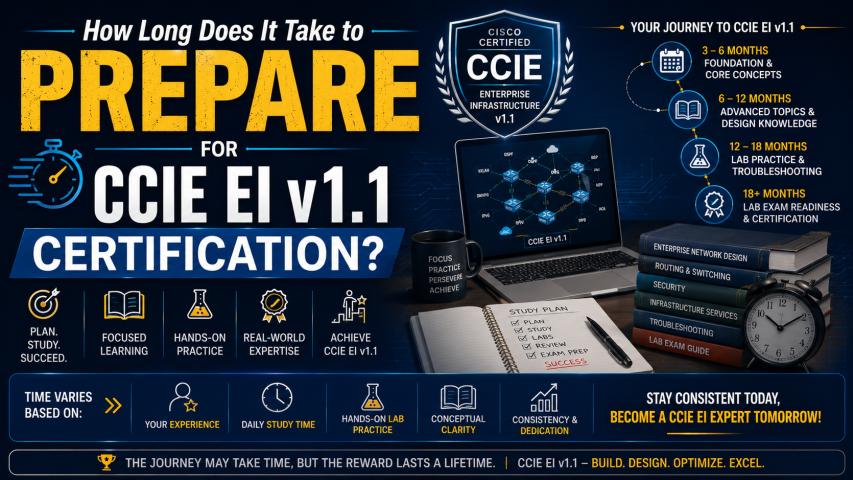
Use Structured Study Plans
A well-organized study plan ensures consistent progress.
Building a Study Schedule
An effective plan should include:
Daily lab practice sessions
Weekly revision cycles
Monthly mock exams
Concept review sessions
Tracking Progress
Candidates should regularly assess:
Strengths and weaknesses
Completion of topics
Lab performance improvements
Learn Automation and Modern Security Tools
Modern enterprise security environments rely heavily on automation.
Key Areas of Focus
API integration
Python scripting basics
Security automation workflows
Policy automation tools
Network programmability concepts
Understanding automation helps improve efficiency during complex tasks.
Use Official and Reliable Study Resources
Recommended Learning Sources
Candidates should rely on:
Cisco official documentation
CCIE Security blueprint
Authorized training programs
Practice labs and simulations
Technical community forums
Avoiding Unreliable Resources
Using outdated or incorrect materials can lead to confusion and poor preparation.
Join Study Groups and Communities
Collaborative learning can significantly improve understanding.
Benefits of Peer Learning
Knowledge sharing
Problem-solving discussions
Real-world insights
Motivation and accountability
Online Communities
Many professionals engage in:
Networking forums
Certification groups
Study Discord or Slack communities
Technical discussion boards
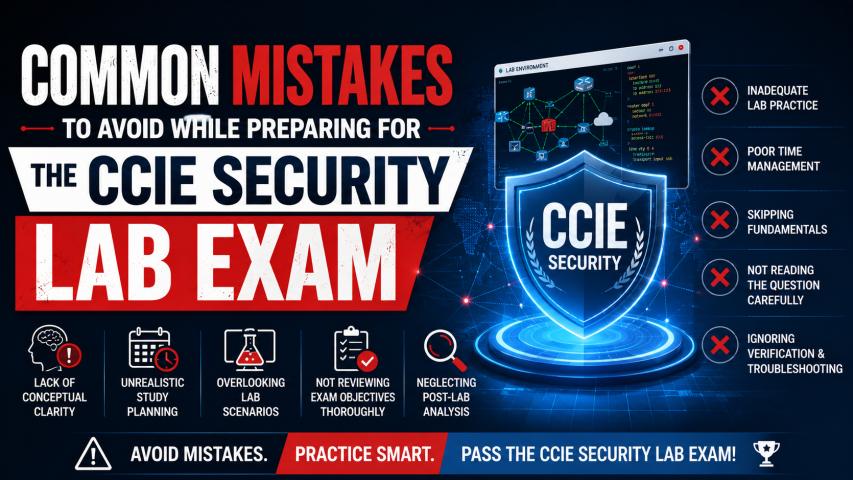
Common Mistakes to Avoid During Preparation
Over-Reliance on Theory
Focusing only on theory without hands-on practice can lead to poor performance.
Poor Time Management
Failing to practice under time constraints can result in incomplete exam execution.
Ignoring Weak Areas
Candidates often avoid difficult topics instead of addressing them directly.
Lack of Consistency
Inconsistent study habits can reduce retention and hinder progress.
Effective Exam Day Strategies
Stay Calm and Focused
Maintaining composure helps improve decision-making during complex tasks.
Read Instructions Carefully
Misinterpreting requirements can lead to unnecessary errors.
Prioritize Tasks Strategically
Focus on completing high-impact tasks first.
Validate Configurations
Always verify changes before moving to the next section.
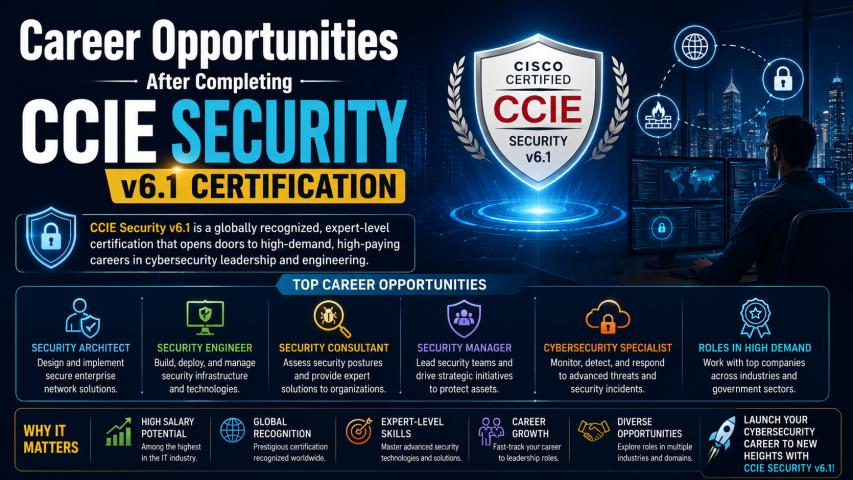
Career Benefits of CCIE Security Certification
Earning this certification can significantly enhance career opportunities.
Potential Job Roles
Security Architect
Senior Security Engineer
Network Security Consultant
Cybersecurity Specialist
Infrastructure Security Lead
Industry Recognition
The certification is globally recognized and valued across multiple industries, including finance, IT services, telecommunications, and government sectors.
Building a Long-Term Preparation Mindset
Success in the CCIE Security lab requires patience and consistency.
Key Mindset Principles
Focus on continuous improvement
Learn from mistakes
Practice regularly
Stay updated with technologies
Maintain discipline throughout preparation
Conclusion
Preparing for the CCIE Security lab exam requires a combination of strong fundamentals, hands-on practice, structured planning, and consistent effort. A structured and disciplined preparation approach can greatly increase a candidate’s chances of success. Ultimately, CCIE Security represents a high level of expertise in enterprise network protection and remains one of the most respected certifications in the cybersecurity industry.