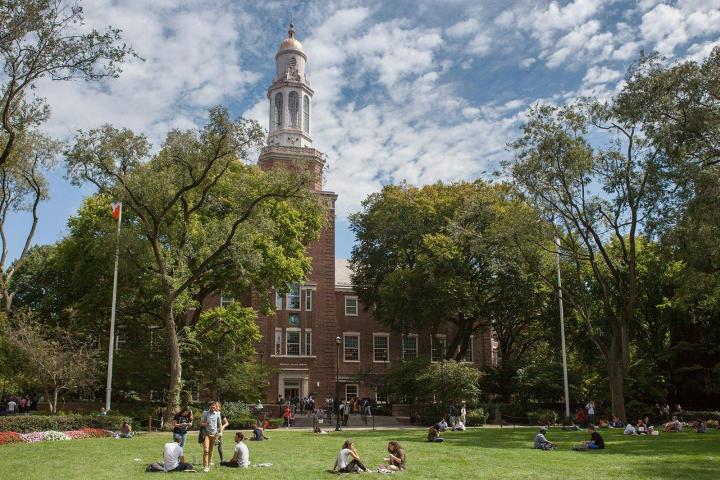

Exeter is slowly gaining ranks as one of the top destinations for international students who wish to pursue higher education in Exeter. There are several reasons associated with this change! One of the main reasons is the presence of a world-class Russell Group University, the University of Exeter, along with affordability, and the feeling of living in a historic city!
The best advantage of living in Exeter is that students have the coast and countryside right on their doorstep, hence fostering a healthy study environment. Therefore, if you are a student who wants to pursue higher education in Exeter, this guide shall help you with everything you might need to know about studying masters in Exeter.
Why Choose Exeter for Your Master's?
Exeter gives you the best of both worlds; it is home to a world-class university and is also one of the most affordable cities in the UK. The University of Exeter is consistently ranked among the UK's best universities; hence, your degree carries real weight. But the city itself is safe, walkable, and surrounded by stunning nature. For living in Exeter, one thing that matters the most is balancing the tuition fees with the living expenses in the city.
Fun Fact: Exeter was recently named the ninth most affordable student city in the UK. That puts it well ahead of Bristol, London, and Manchester when you look at rent, bills, transport, and everyday costs.
Tuition Fees for Master's Degrees
The tuition fees for a Master’s degree in Exeter depend on the university that you choose. The best university in the city is the University of Exeter, and therefore, the fees are also determined by your nationality. The fees for domestic students at the university are capped at £9970 per annum, and the fees for international students have been mentioned below:
Course Name | Duration | Tuition Fee (International, 2026/27) |
MSc Finance and Investment | 1 year (Full Time) | £32,300 per year |
MSc Advanced Computer Science | 1 year (Full Time) | £29,500 per year |
MSc Management | 1 year (Full Time) | £23,025 per year |
MSc Management with Industrial Experience | 2 years (Full Time) | £18,600 (Year 1) / £6,200 (Year 2) |
MSc Data Science | 1 year (Full Time) | £29,800 - £31,200 |
Living Costs in Exeter
The cost of living in Exeter ranges from £1,300 to £2,000 per month, which is much lower than in other British cities such as London, Birmingham, Manchester, and Leeds. One of the major expenses for students is the rent for their student accommodation in Exeter, along with food, transport, and utility costs. The starting rent for Student studio Exeter is £200 per week, and when clubbed with other expenses like food, groceries and transport costs, the figure adds up to a total of £400 per week. Here is a weekly breakdown for students in 2026:
Expense | Amount (In £ per month) |
Rent | £1000 – £1500 |
Food | £150 – £250 |
Transport | £50 – £100 |
Leisure | £100 – £150 |
Total | £1300 – £2000 |
Part-Time Work Opportunities
Pursuing a master’s in the UK can be an expensive affair, and in order to keep up with the daily expenses, most students work part-time. Exeter has decent opportunities in hospitality, retail, and remote work, and students must keep the following points in mind before hunting for jobs randomly:
Do your own online market research: Platforms like Research Tribe offer paid surveys, product testing, and focus groups. This work is to be done remotely, and hence, you can work at your own convenience while still balancing out your studies.
Look for remote research roles: Some research positions in Exeter pay £18 nd upto £40 per hour but require a Master's degree or PhD. These jobs are a little harder to find, but are totally worth looking for.
Best options are the local jobs: There are several pubs, cafes, and restaurants in Exeter that frequently hire students as part-time staff, and since Exeter is a major student city, most employers are flexible around your lecture schedule.
Students must note that their student Visa usually allows up to 20 hours of work per week during term time, and this might vary depending on their visa type. Hence, students are recommended to always check their visa conditions before looking for a job.
Final Thoughts
Exeter is indeed one of the best cities in the UK for higher education, and it literally has everything that a student might want from a good student city. From a great university to a lower cost of living to a great student property, Exeter has it all! Therefore, if you are a student wanting to pursue higher education in the UK, Exeter can be your best choice.